Coleoptera
Class Insecta can be distinguished from other arthropods by the following characters:
- Body divided into a distinct head, thorax and abdomen (up to 11 segments)
- Presence of toughened exoskeleton
- Three pairs of jointed thoracic legs
- Presence of wings
Coleoptera is the largest Order of Class Insecta, covering over one-third of a million described species of animal Kingdom and covering nearly 38% of Insecta. The Coleoptera comprises of beetles and weevils, which can be distinguished from other group of invertebrates with the following characters:
Adult beetles and weevils are differentiated from other insects by the following characters:
- Mesothoracic wings are thickened and hardened to form elytra
- Biting and chewing type of mouth parts
- Prothorax is large and free
- Abdomen lacks cerci
- Holometabolous insects having complete metamorphosis
Coleoptera comprises of four suborders viz.,
- Archostemata,
- Adephaga,
- Myxophaga and
- Polyphaga,
The suborders Adephaga and Polyphaga constitute majority of the beetle and weevil groups.
Adephaga consists of 11 families under superfamily Caraboidea and four of which are important from Indian context, Cicindelidae, Carabidae, Dytiscidae and Gyrinidae. Polyphaga is the largest suborder covering nearly 20 superfamilies of which Cucujoidea is the largest followed by Chrysomeloidea, Scarabaeoidea and Cucrculionoidea.
Scarabaeoidea
Key to the Families of Scarabaeoidea (Ratcliffe and Jameson, 2002)
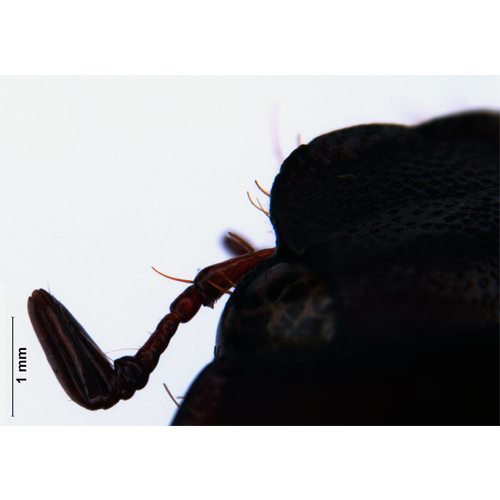
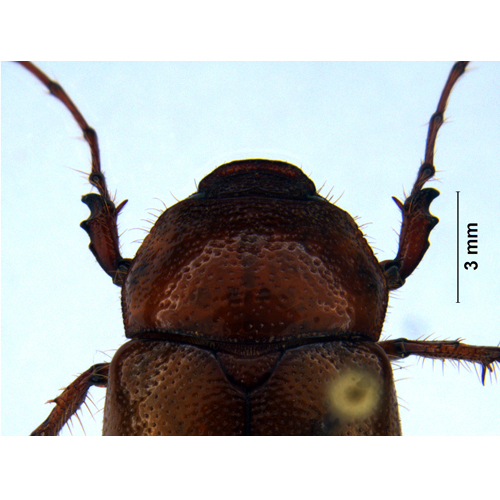
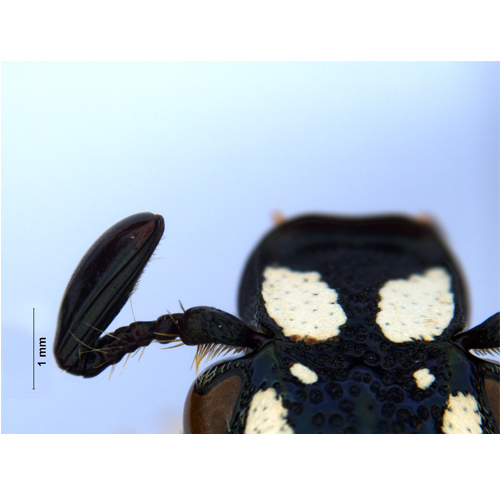
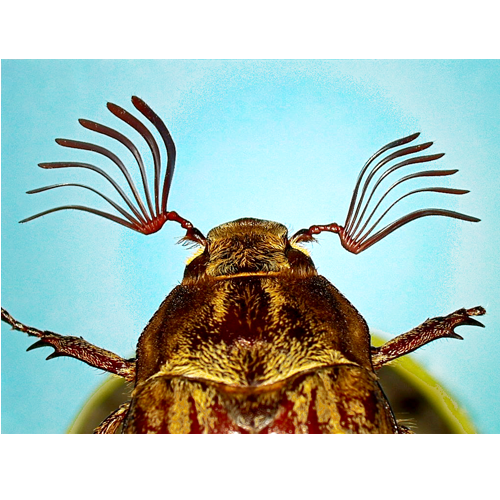
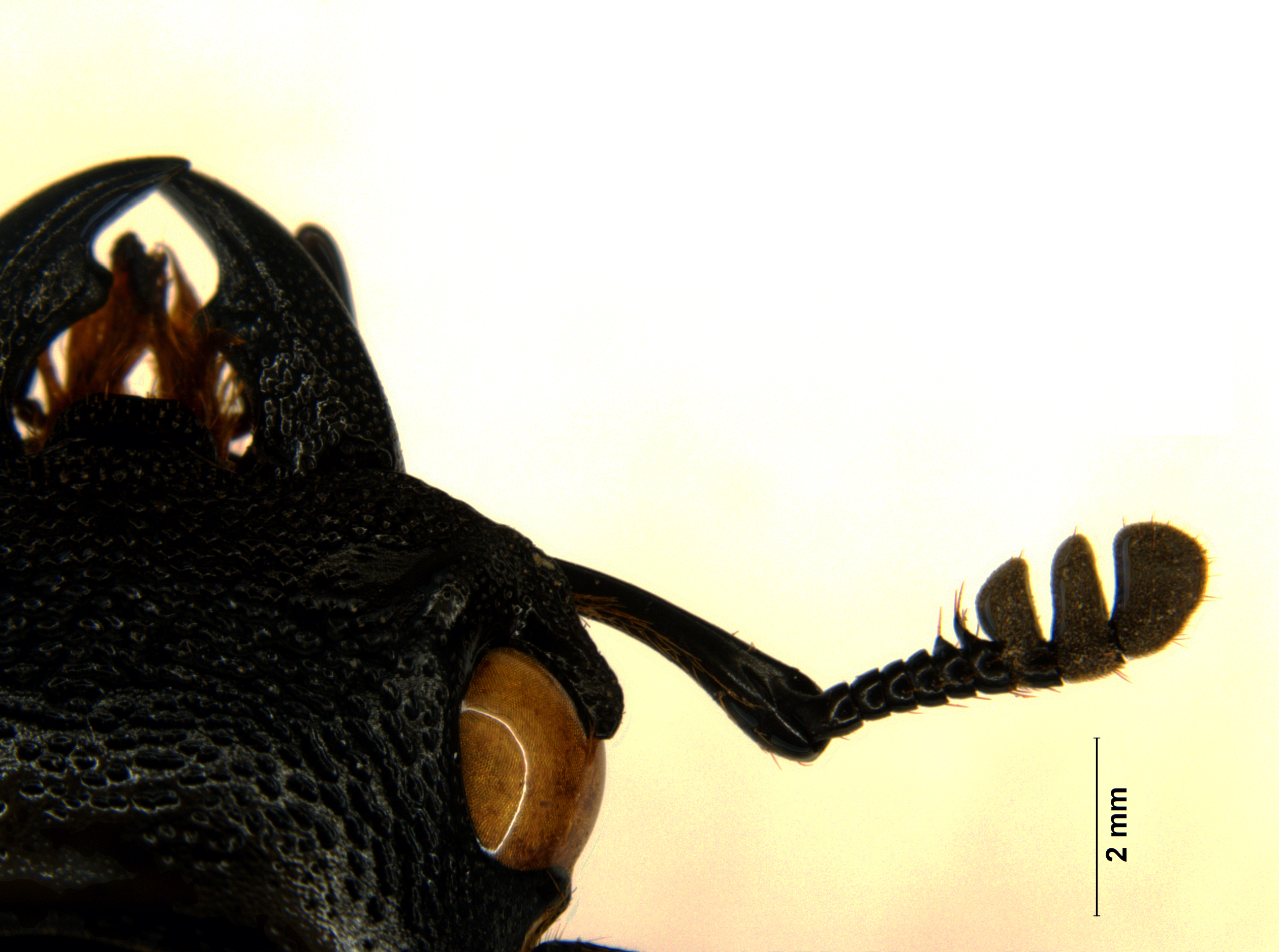
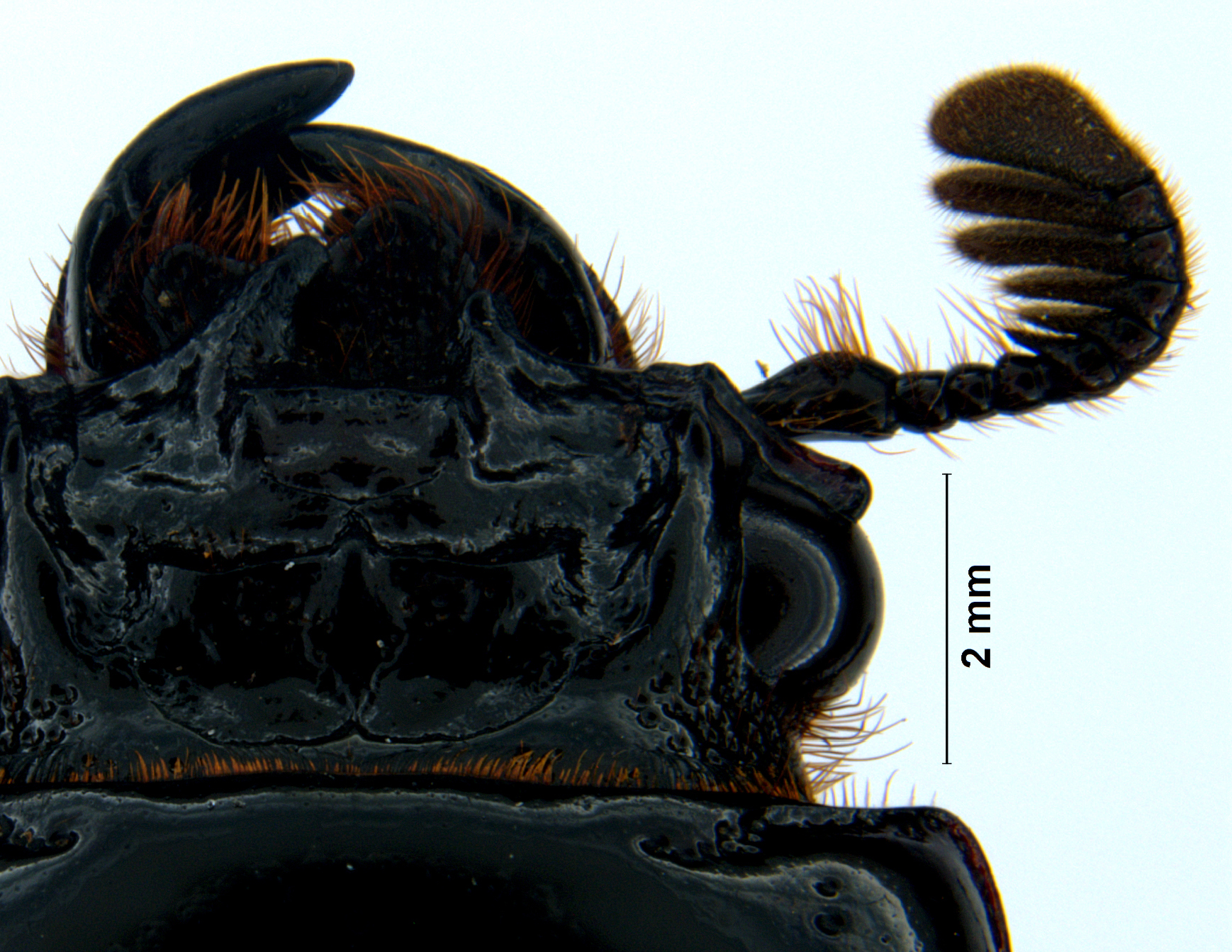
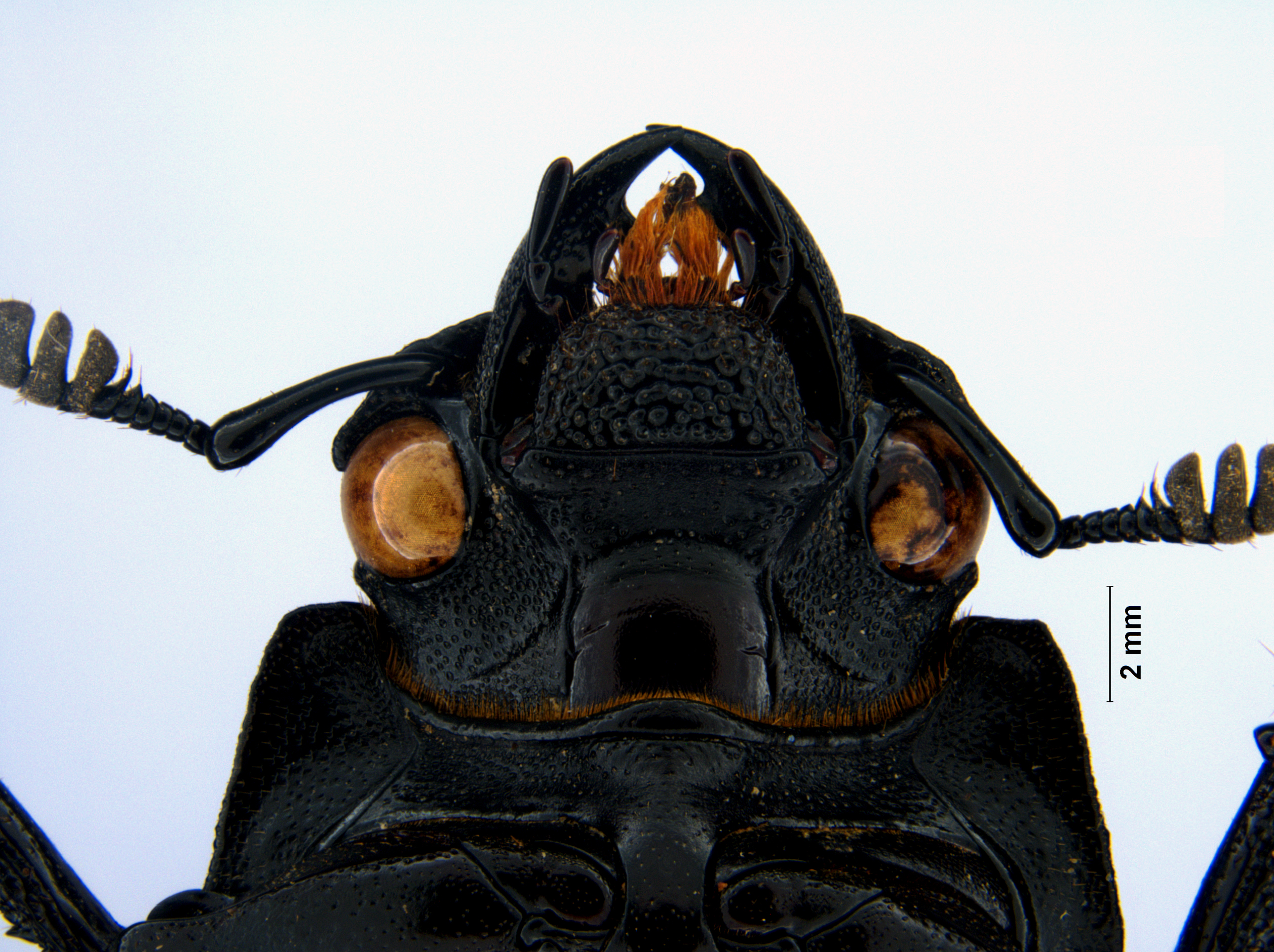
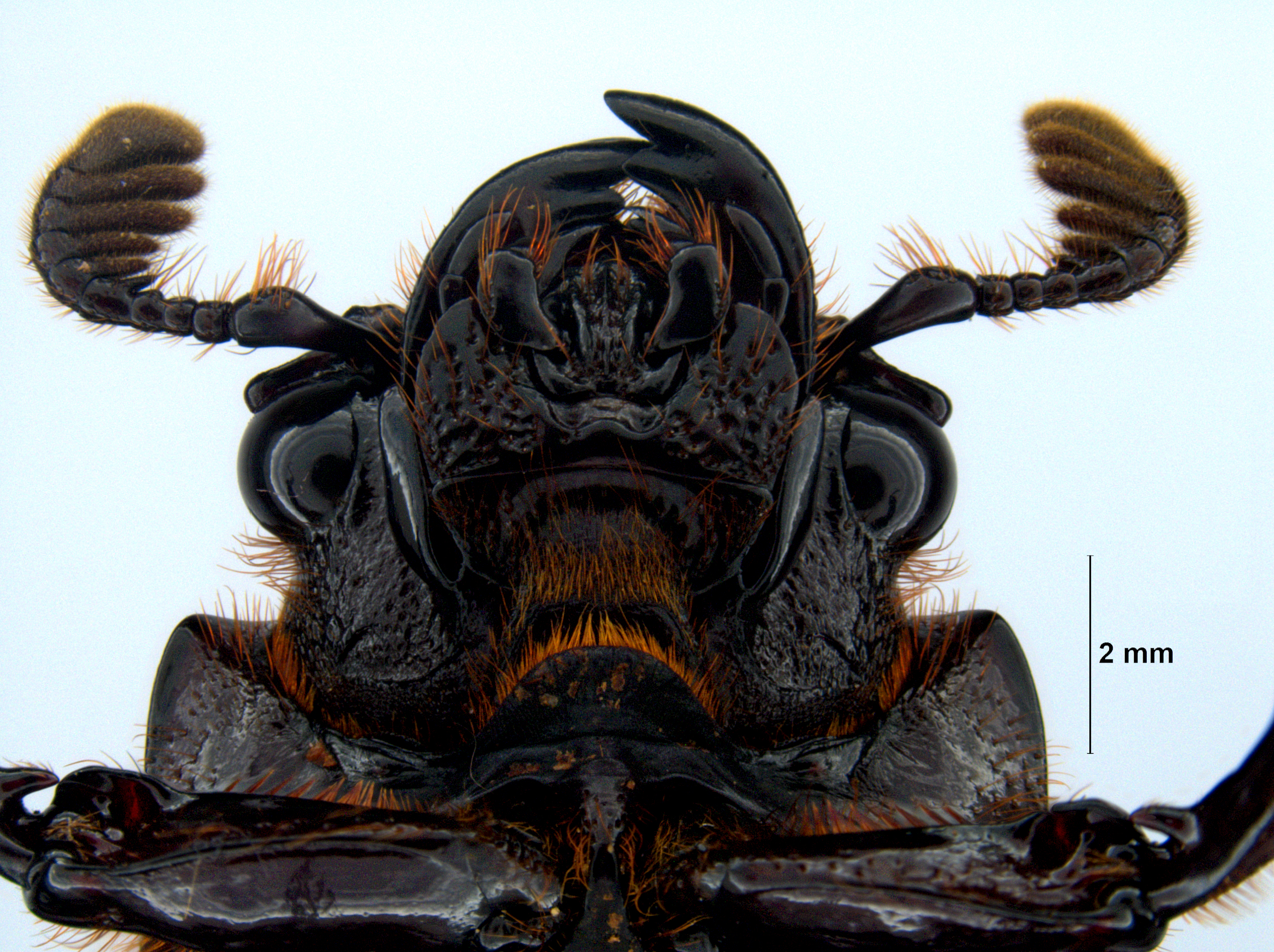
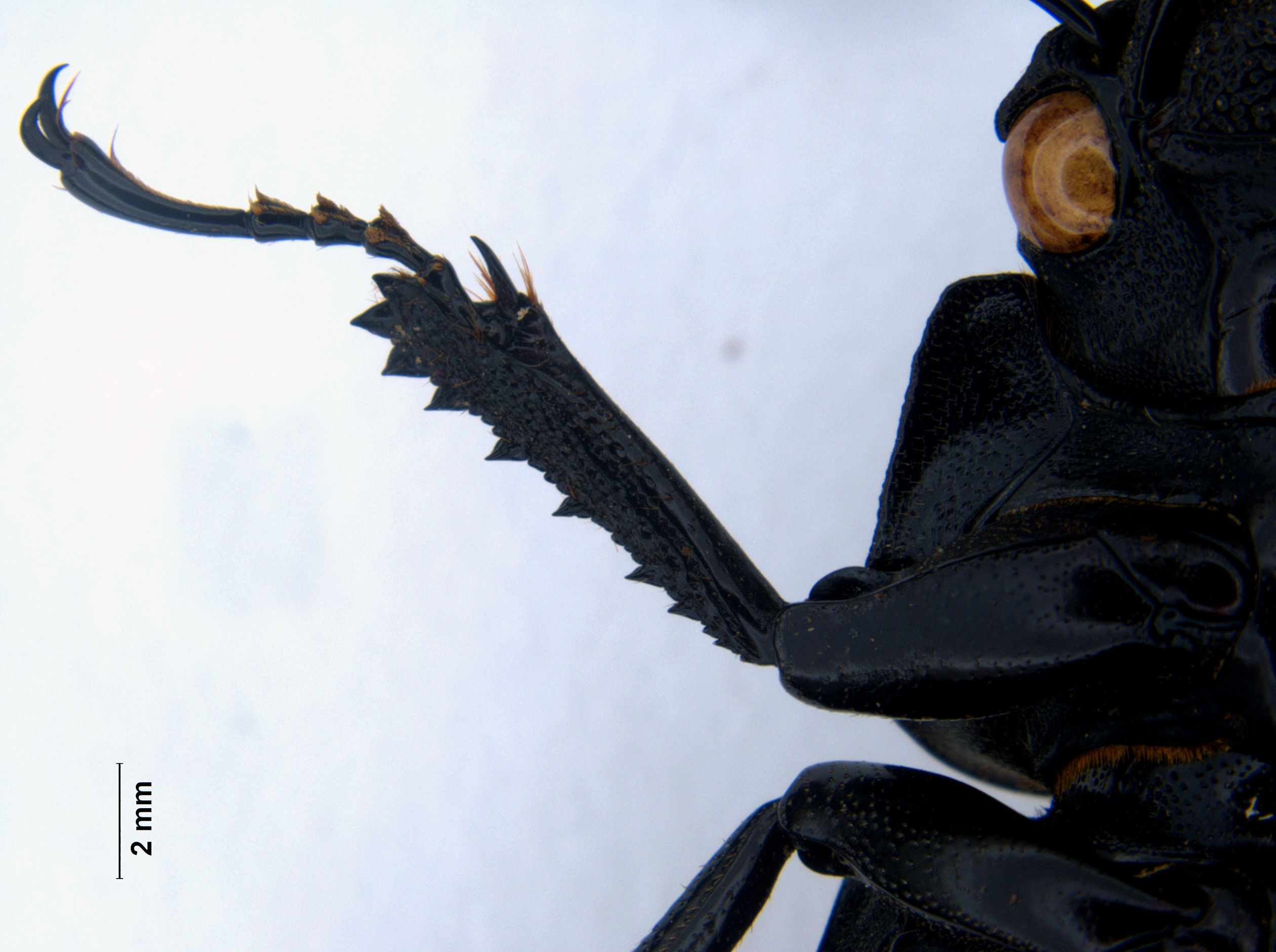
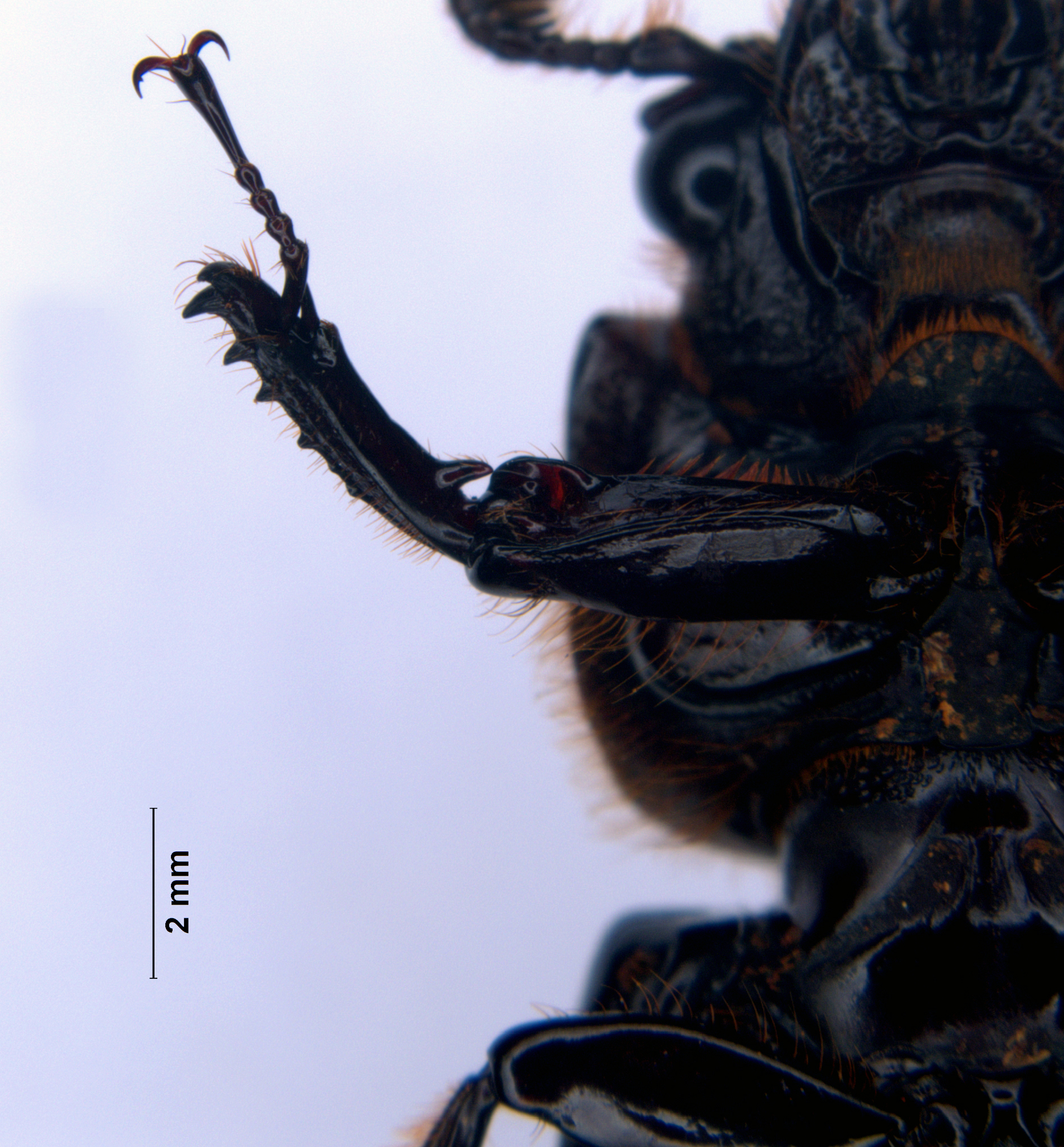
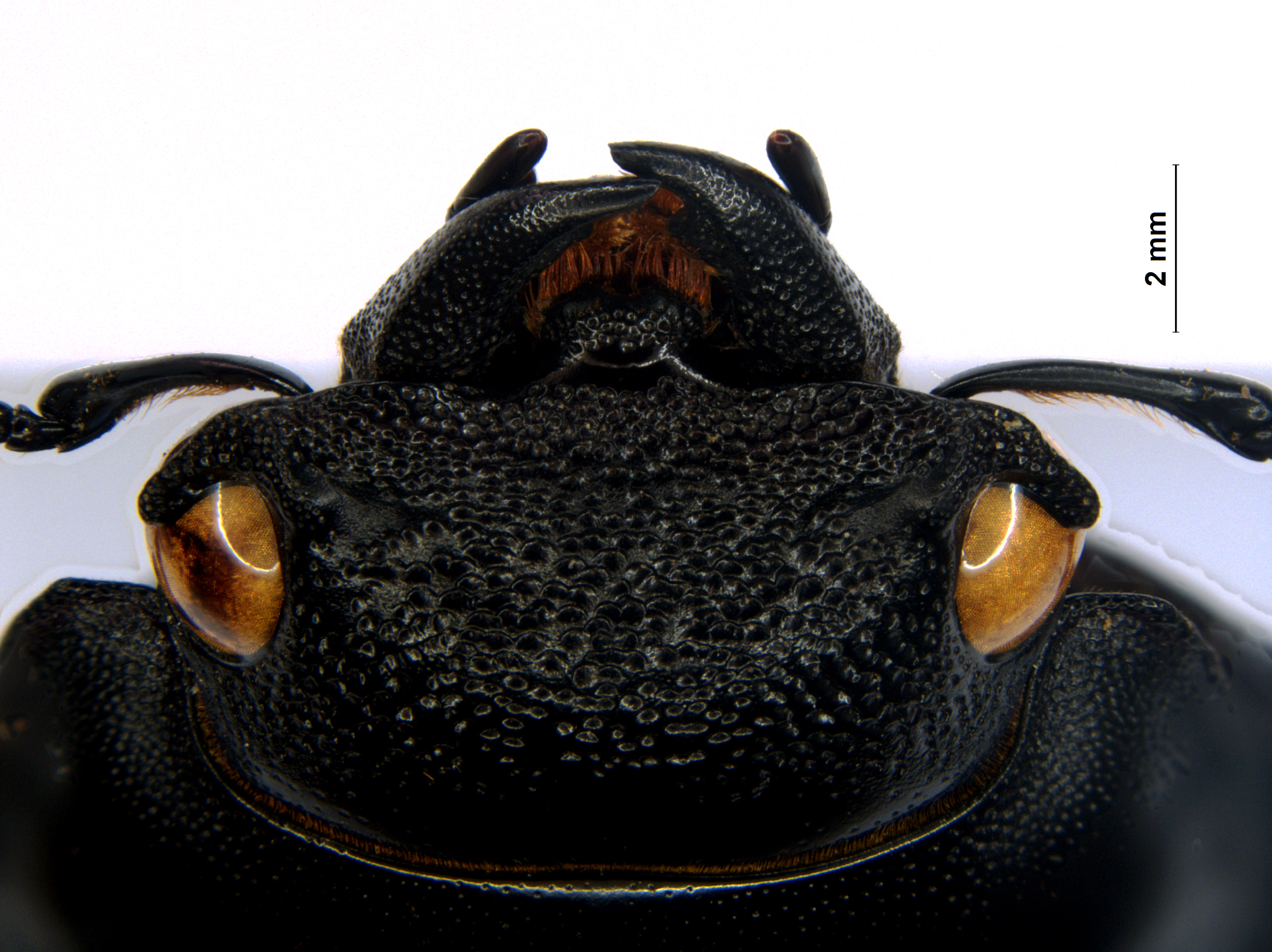
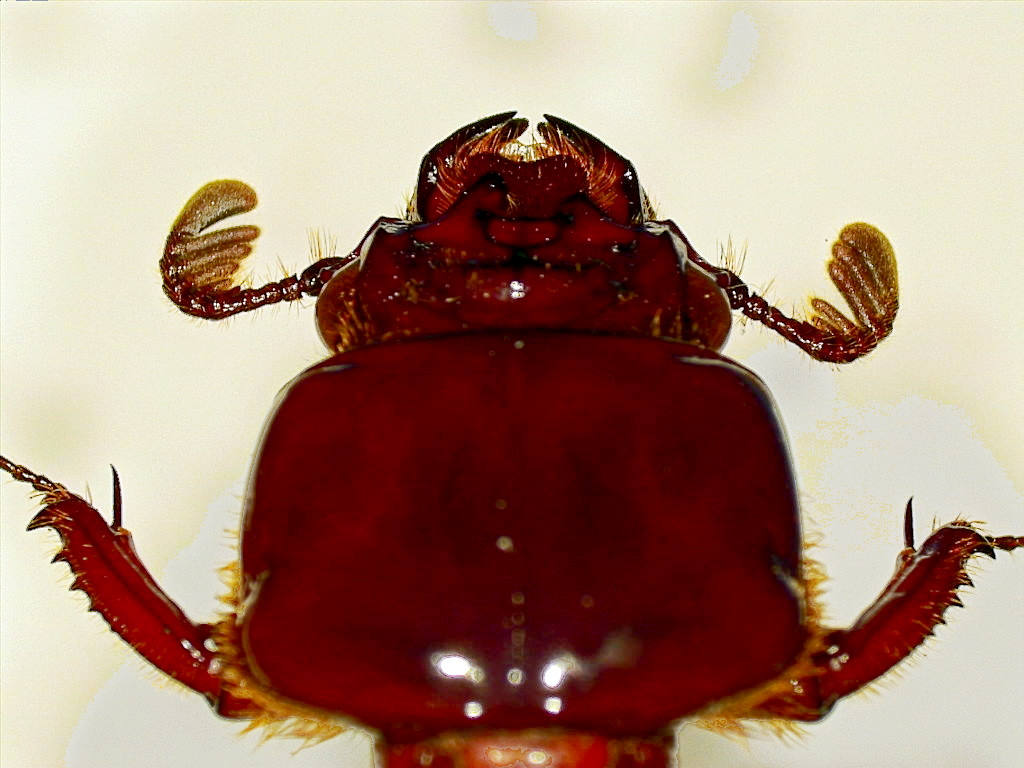
- Antennal segments less than 11 (Fig. 1), lamellate and club segment varies 3-8 (Fig. 3a, 3b); head and prothorax distinct (Fig. 2, 3); front coxae transverse or conicular located below the prosternum, fore tibiae dentated on external edge (Fig. 2), tarsal segments 5 distinct. ……2
- Antennal club segments free (Fig. 4), not associated together……………….....3
Antennal club segments not free (Fig. 3a), associated together………………Scarabaeidae Latreille - Antennae geniculate (Fig. 4a), mentum not excavated deeply (Fig. 5a); protibiae without a basal spine (Fig. 6a),
head without medial horn (Fig. 7a)……………………………….Lucanidae Latreille
Antennae not geniculate (Fig. 4b), mentum excavated deeply (Fig. 5b); protibiae with a basal spine (Fig. 6b), head often with a medial horn projected anteriorly (Fig. 7b)…………Passalidae Leach
Key to the Subfamilies of Scarabaeidae Latreille, 1802 (Arrow, 1917; Ratcliffe and Jameson, 2002)
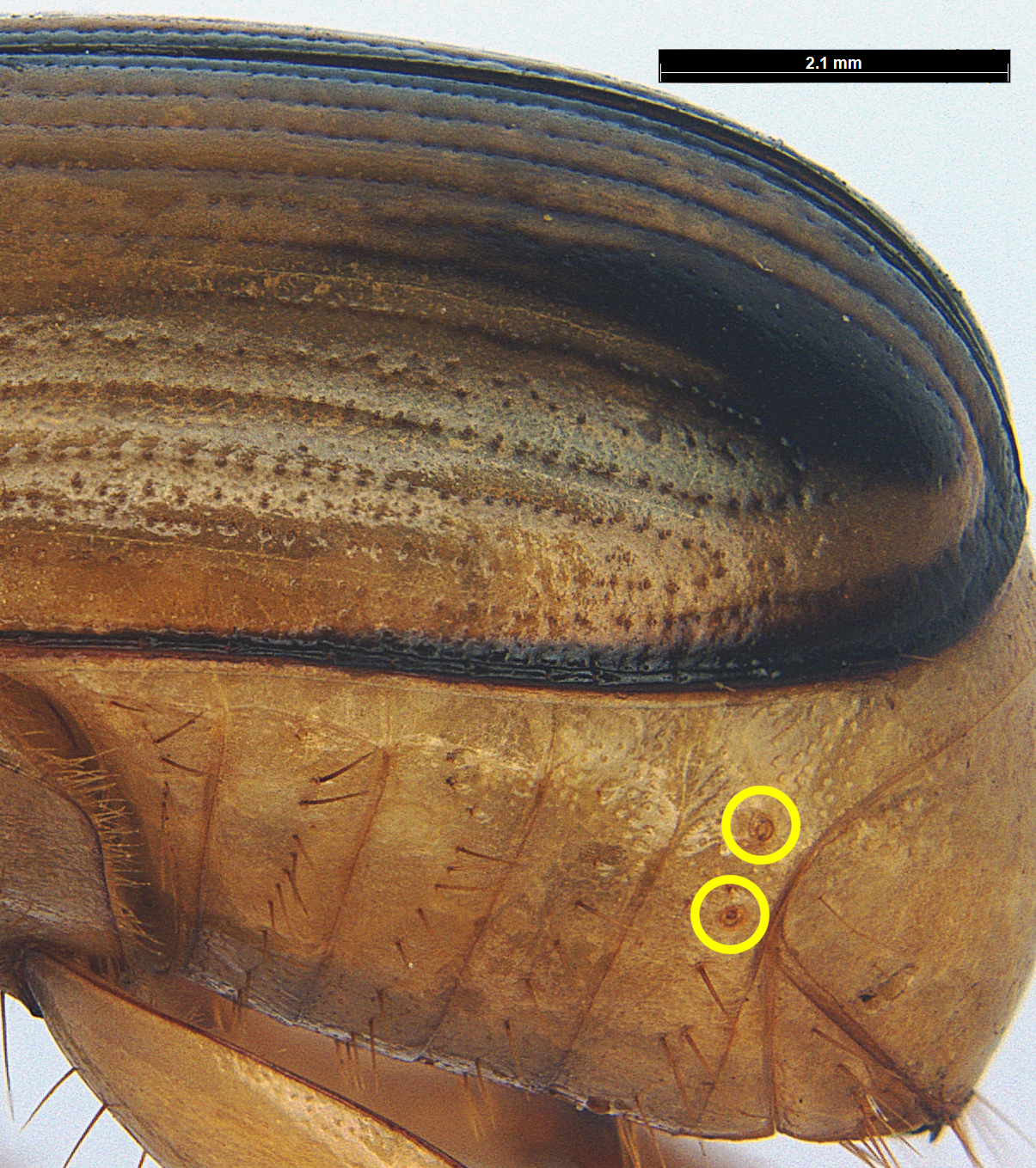
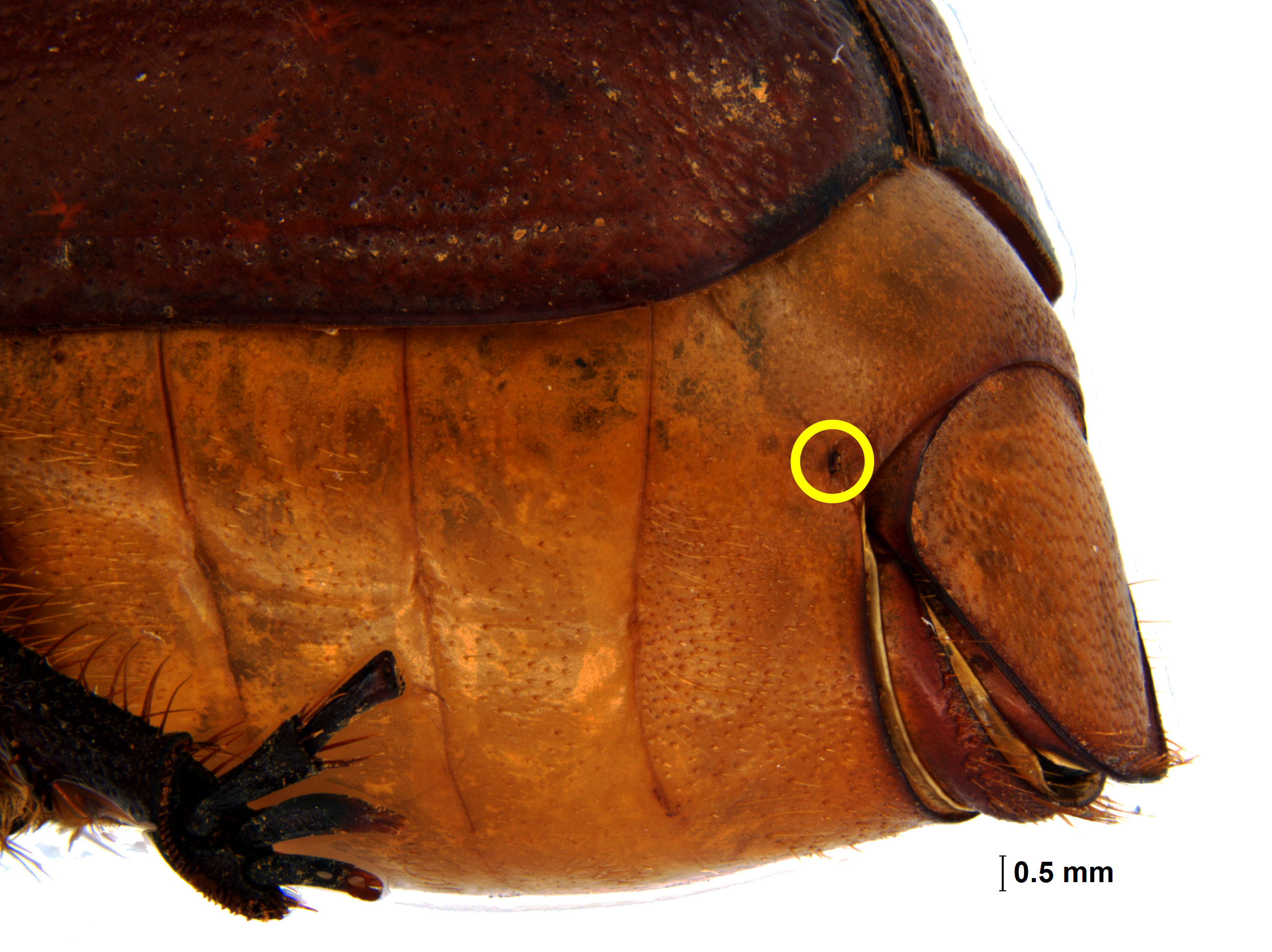
- Posterior spiracles situated on pleural membrane between the dorsal and ventral segments, not exposed (Fig. 8a)……………………………………………………………………………………….......……Laprosticti(2)
Posterior spiracles situated on the dorsal side or upper side of ventrites (Fig. 8b), exposed spiracle……………………………………………………………………………………………………….……....Pleurosticti(3) - Middle coxae not widely separated (Fig 9a) and hind tibiae with two spurs (Fig 10a)…………………………………………………………………………………………………………..… Aphodiinae Leach
Middle coxae widely separated (Fig 9b) and hind tibiae with single spur (Fig 10b) ……………………………………………….………………………………………………………………Scarabaeinae Latreille - Fore coxae vertical and base of first antennal segment visible from above, not hidden by clypeus (Fig 11a)…………………………………………………………………………………………………….Cetoniinae Leach
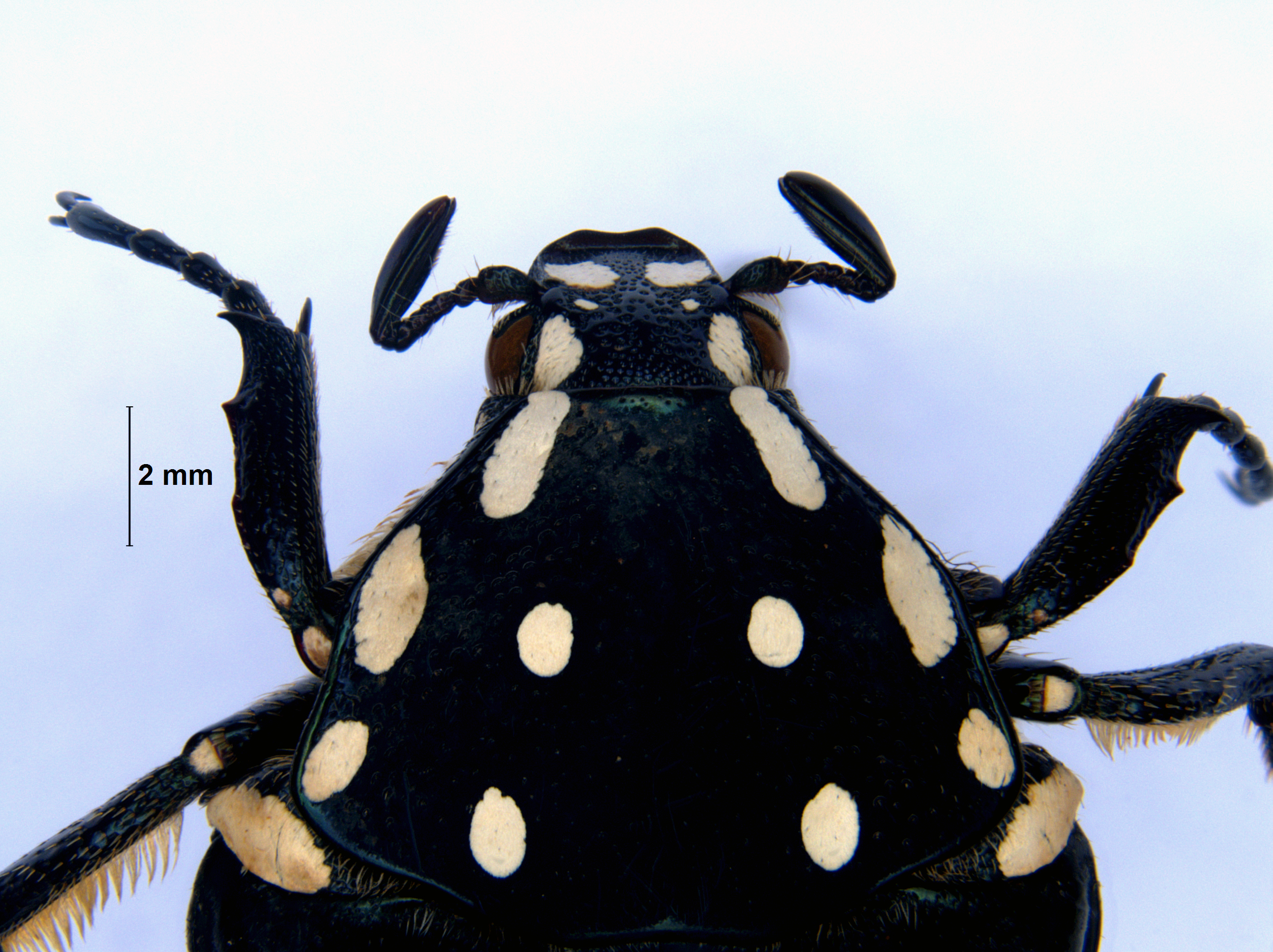
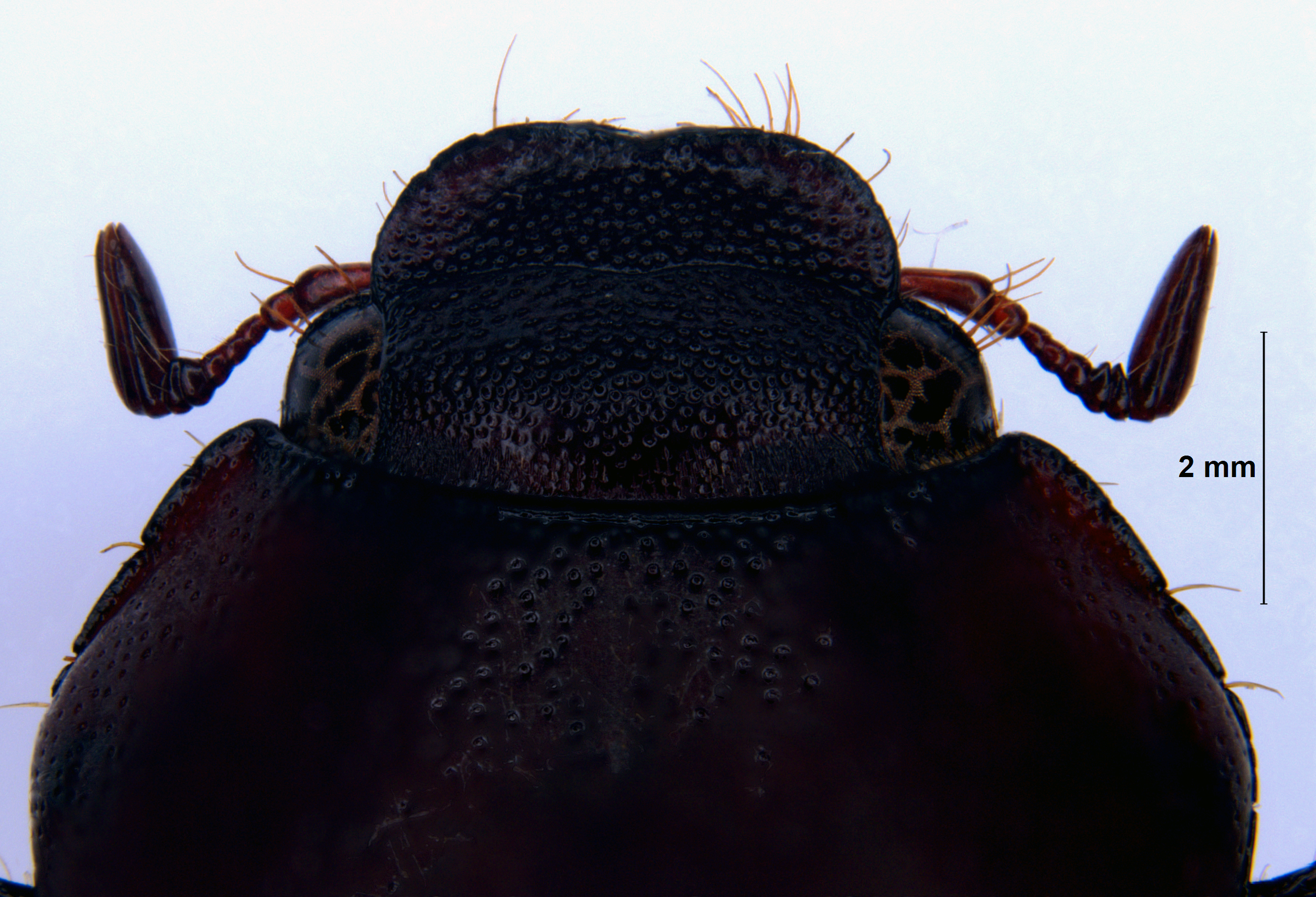
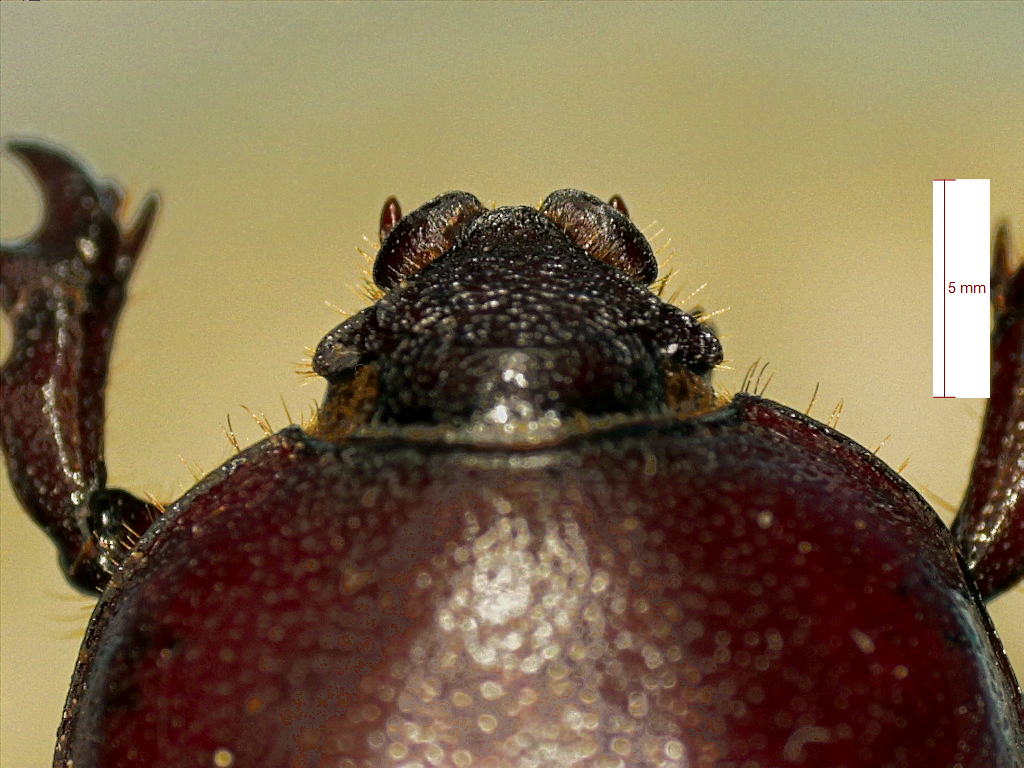
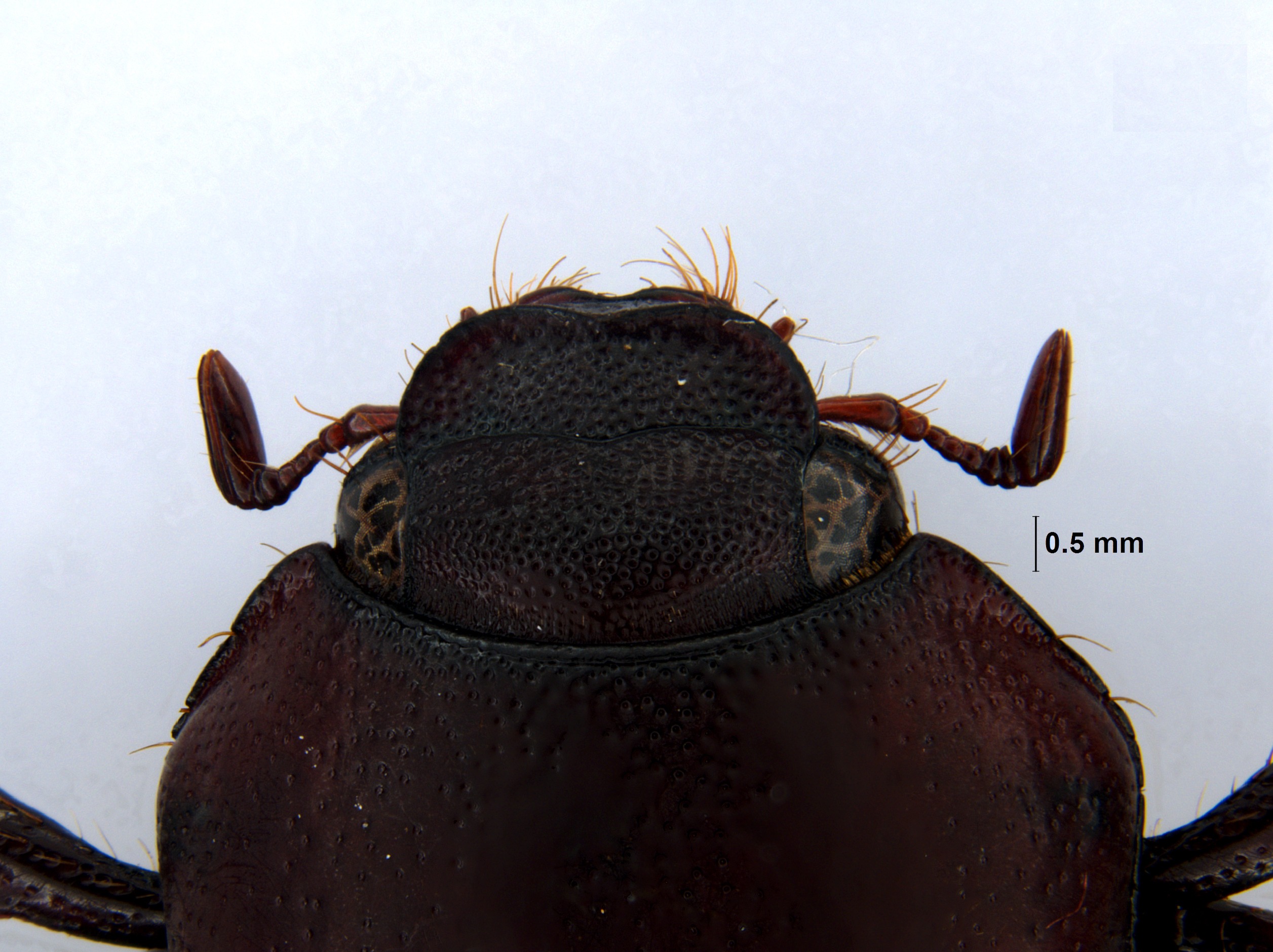
- Fore coxae transverse and base of first antennal segment not visible from above (Fig 11b)…..4 - Mandibles extended beyond the clypeus and partly visible (Fig. 12a), labrum membranous not apparently visible…................................…………………………………………………………… Dynastinae MacLeay
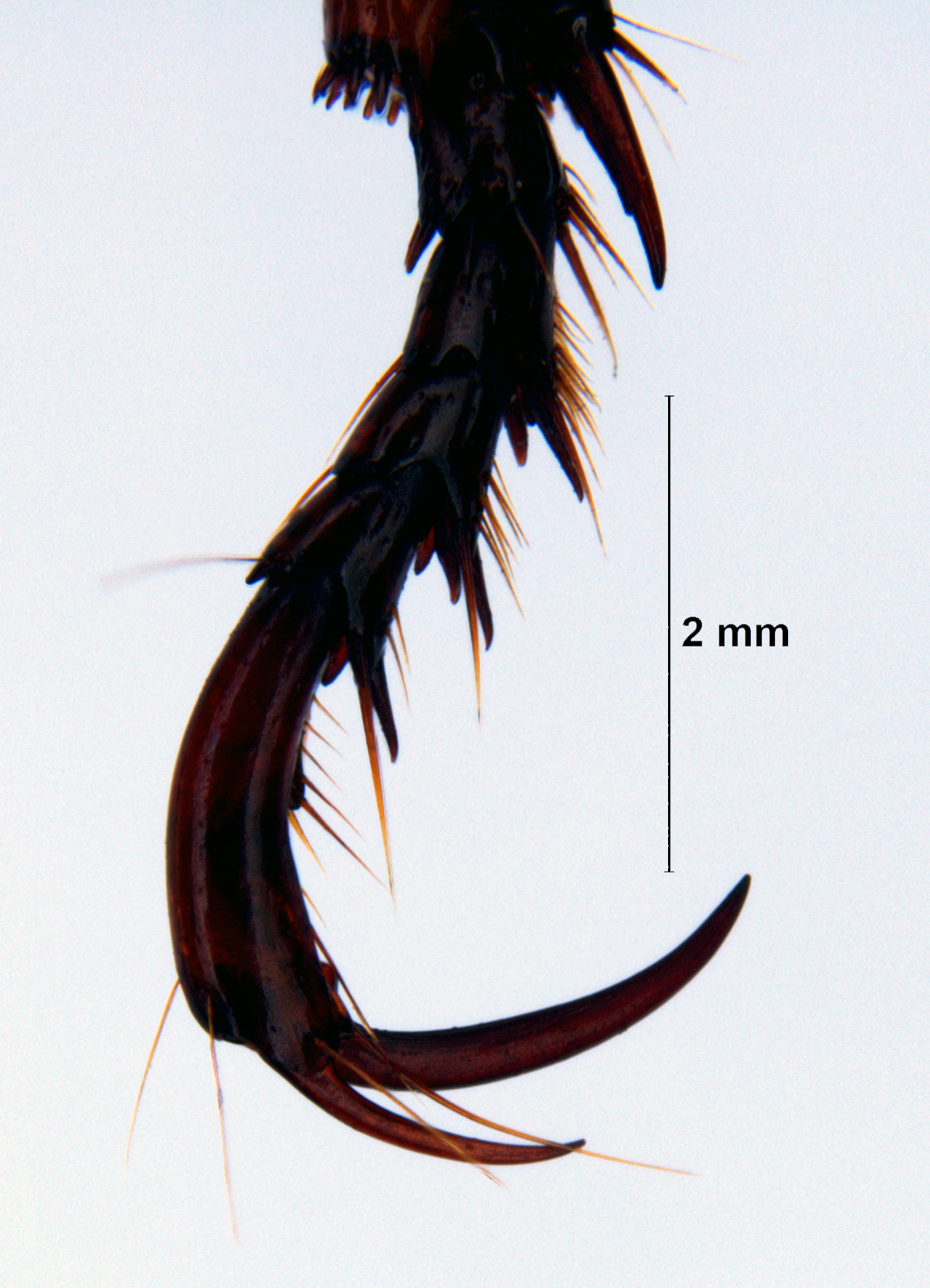
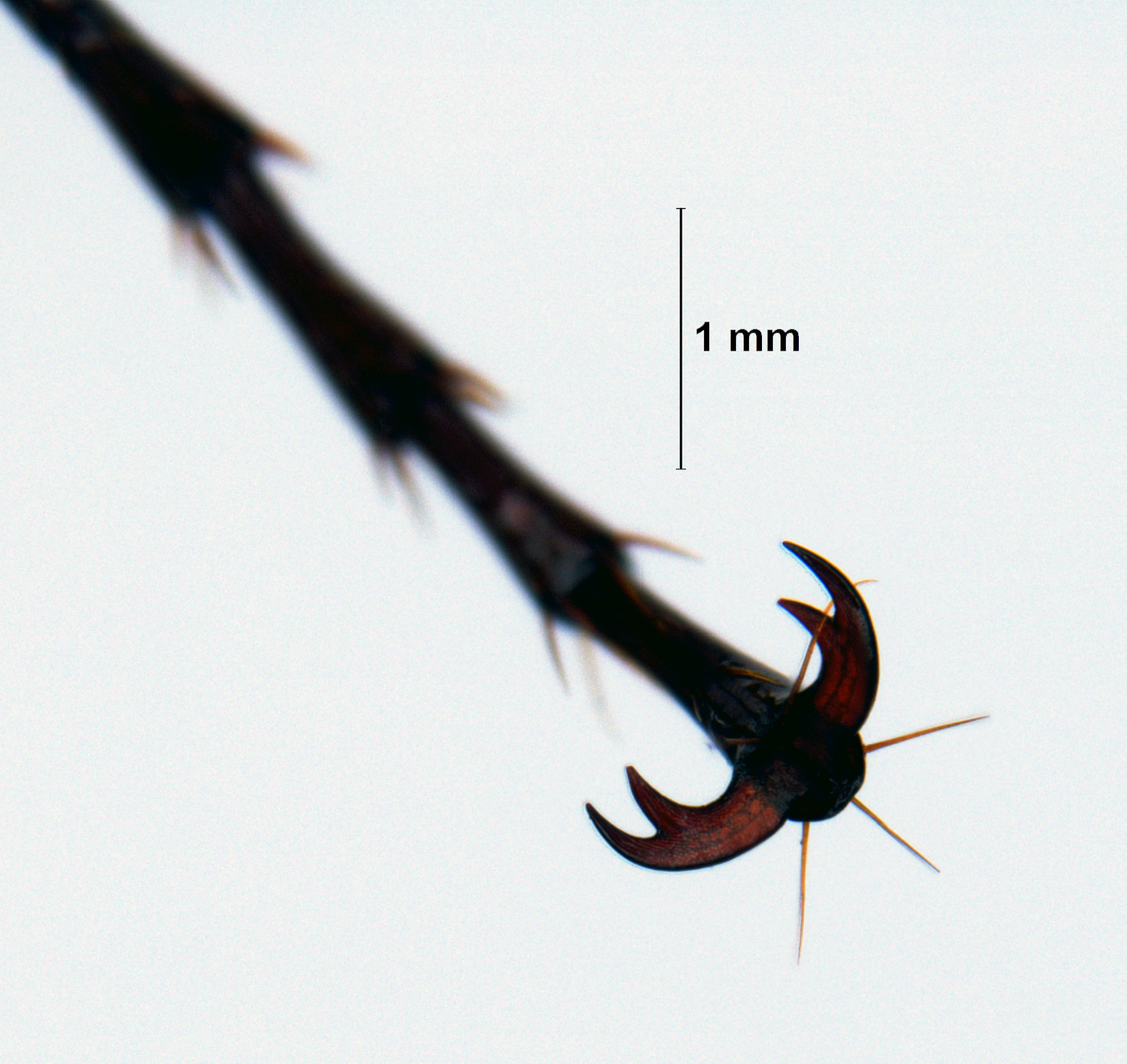
- Mandibles not extended beyond the clypeus (Fig. 12b), labrum sclerotized and visible……….5 - Claws unequal (Fig 13a), posterior spiracles located in two lines (Fig. 14a)………….. Rutelinae MacLeay
Claws equal (Fig. 13b), posterior spiracles located in single line (Fig. 14b)……..…… Melolonthinae Leach
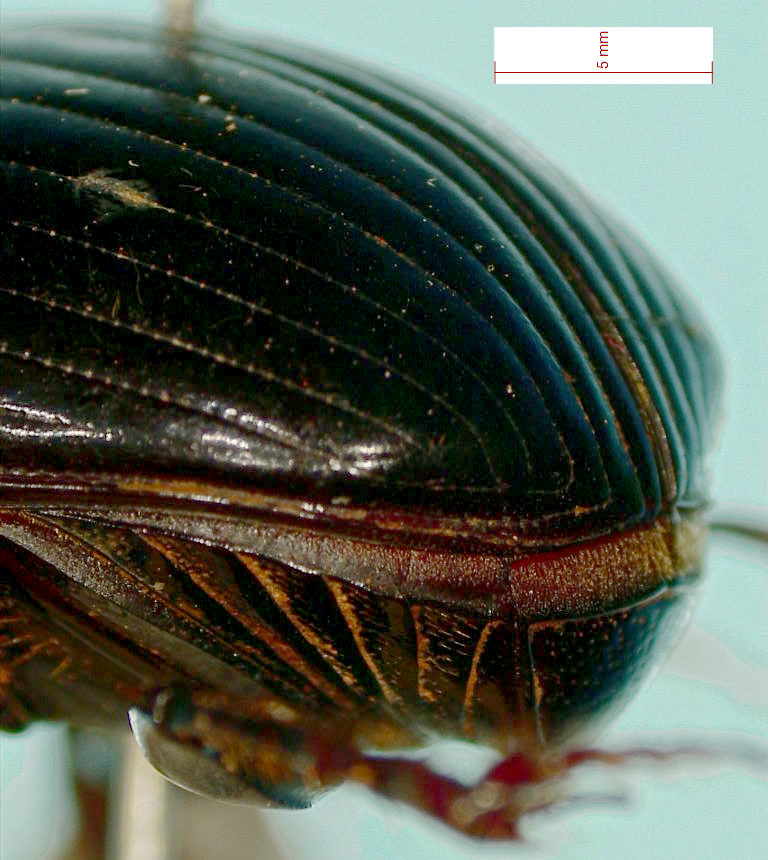
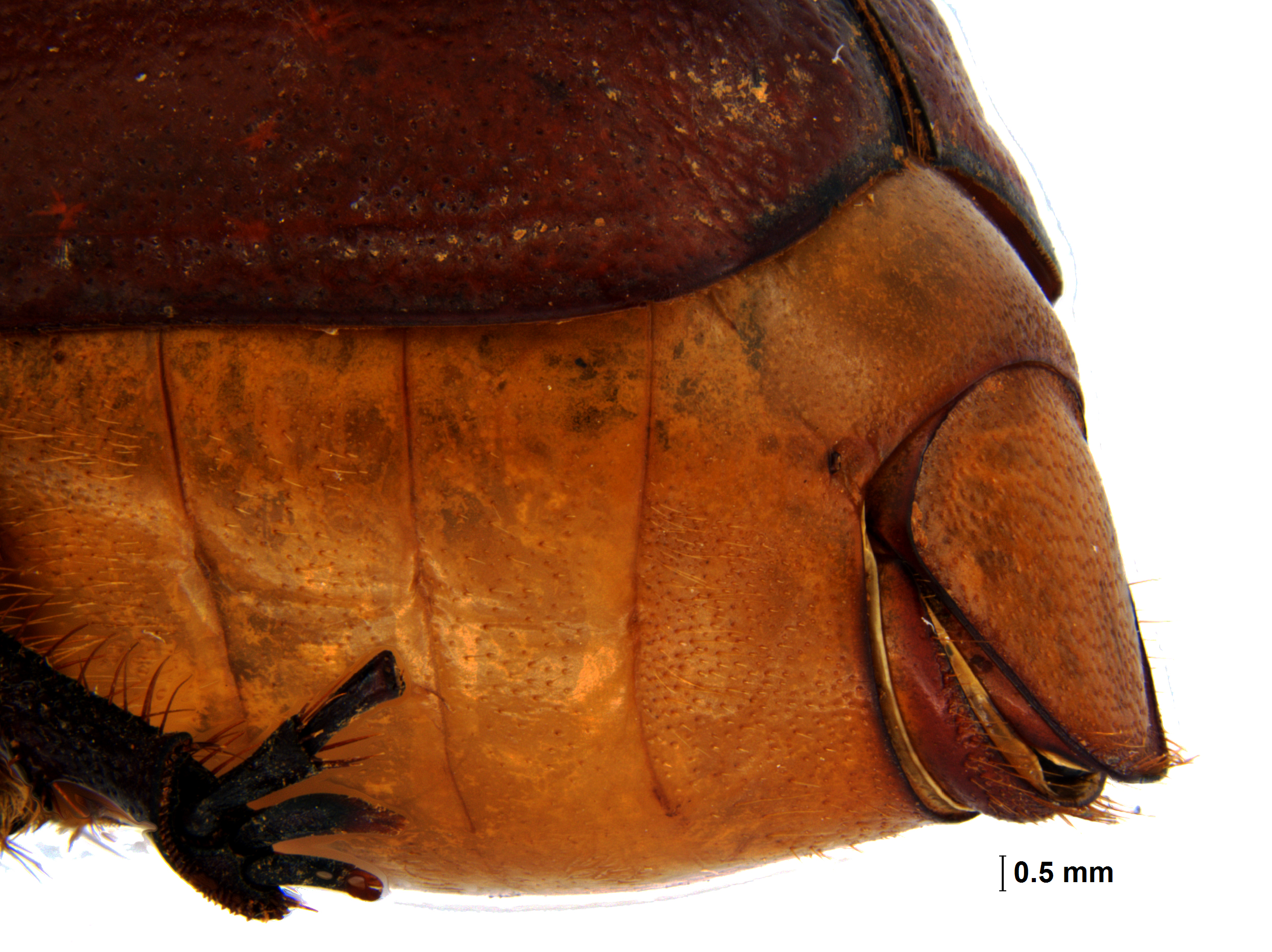
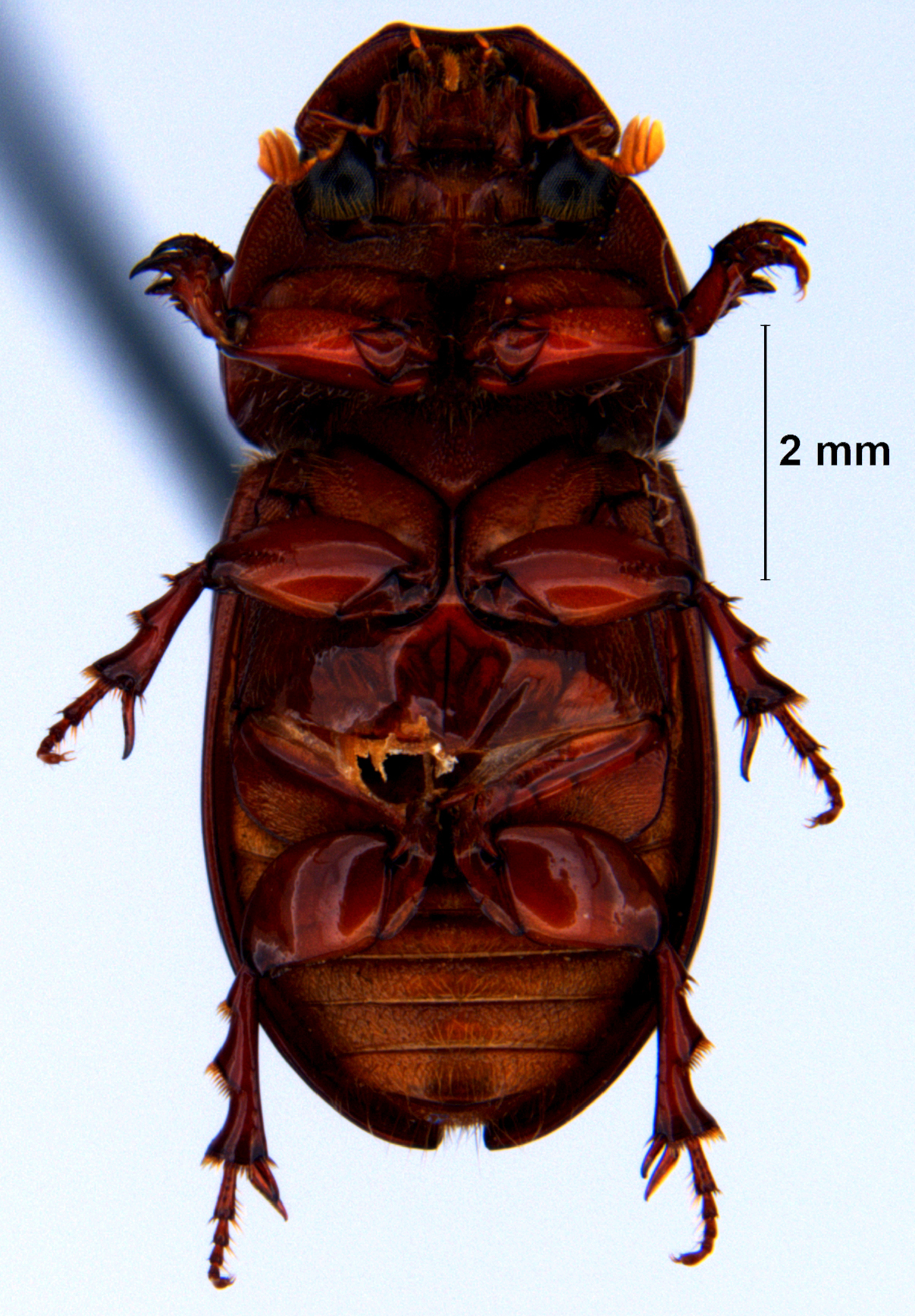
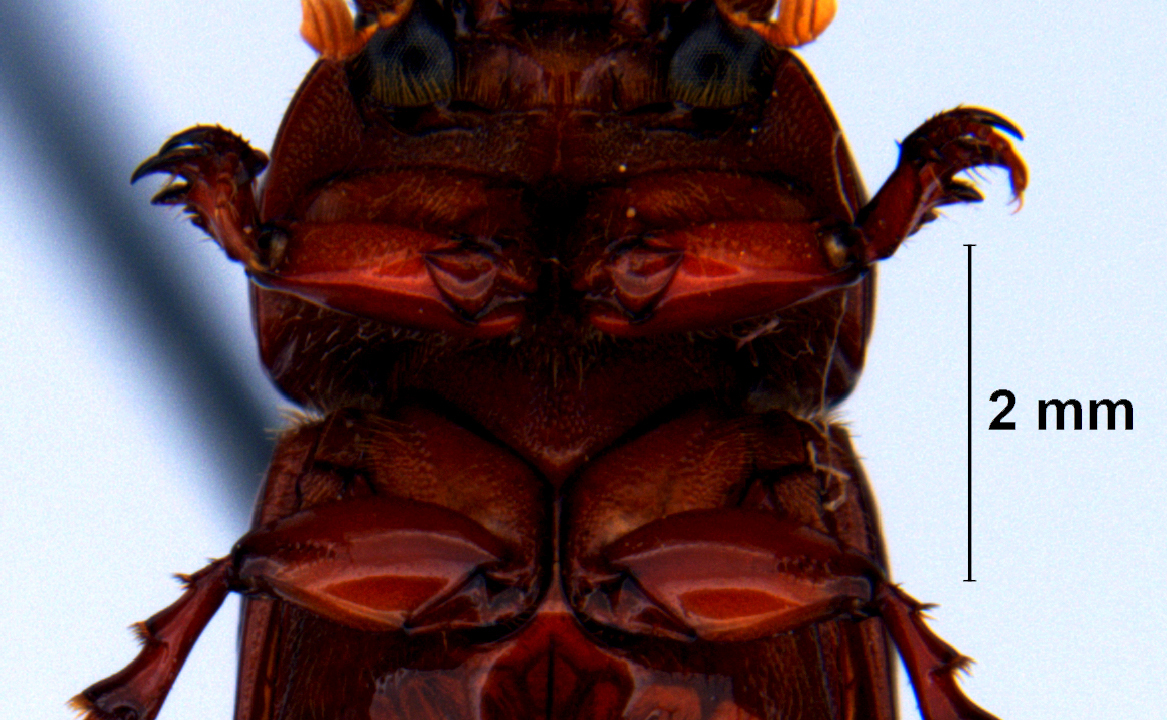
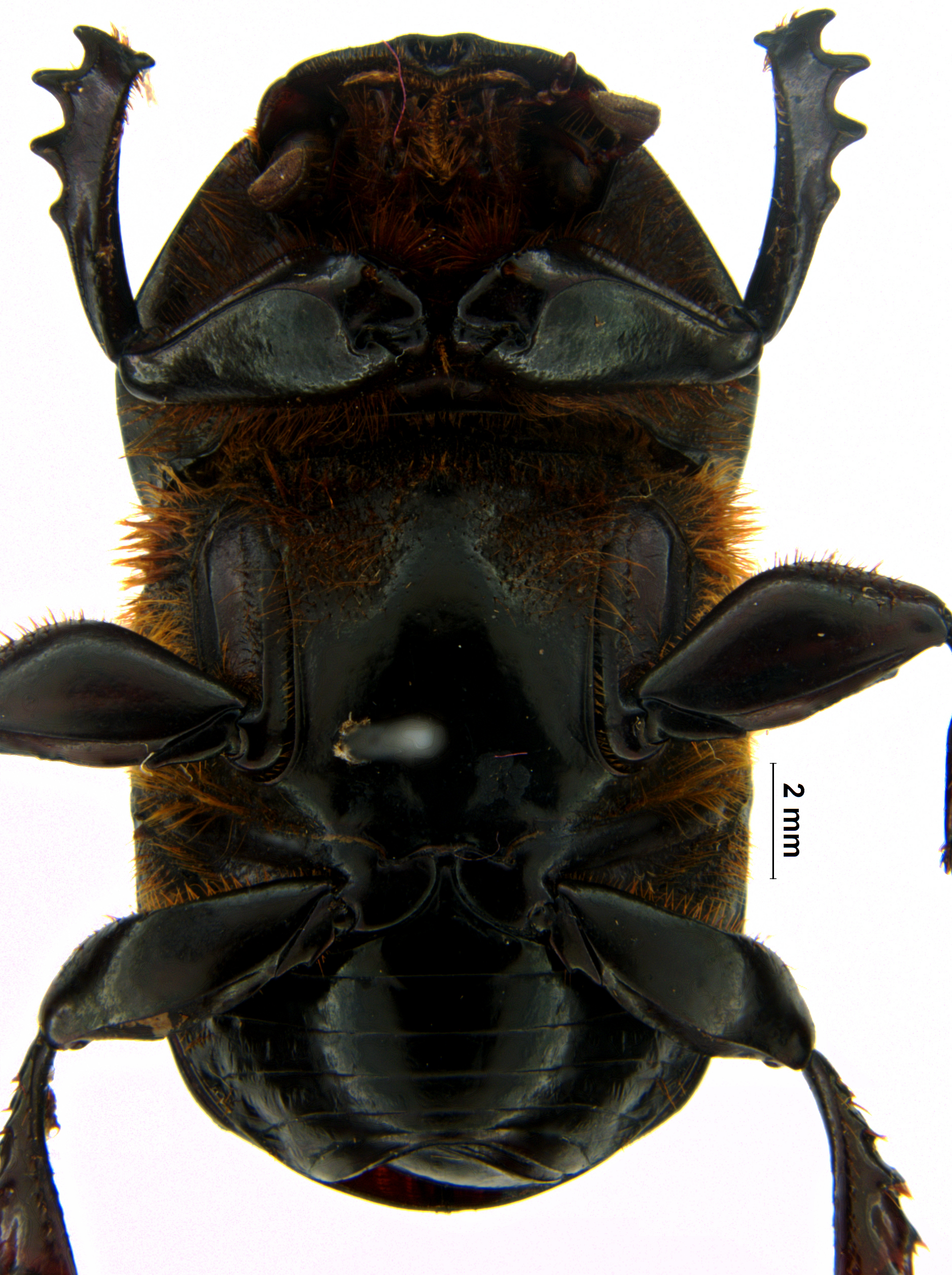
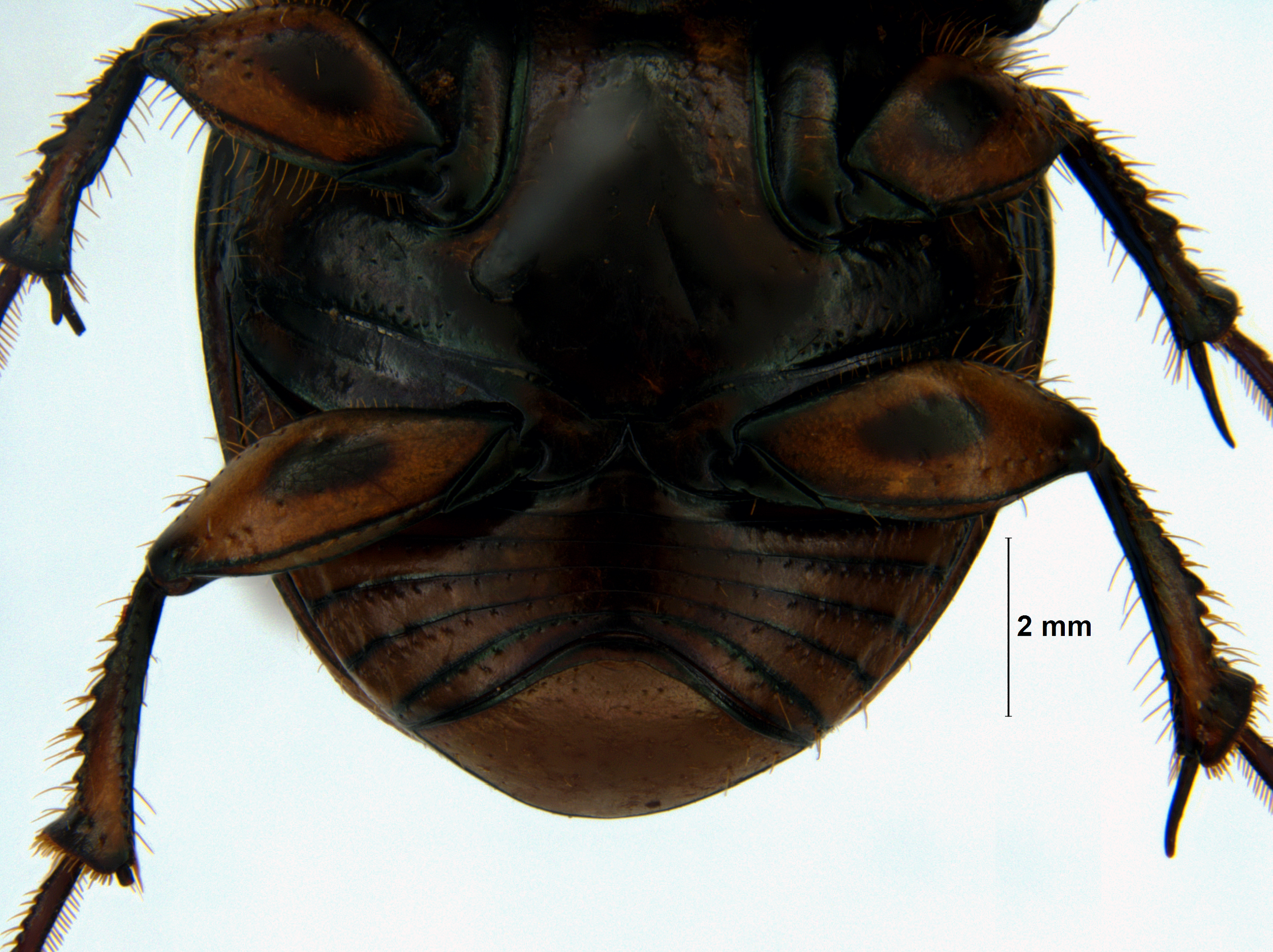
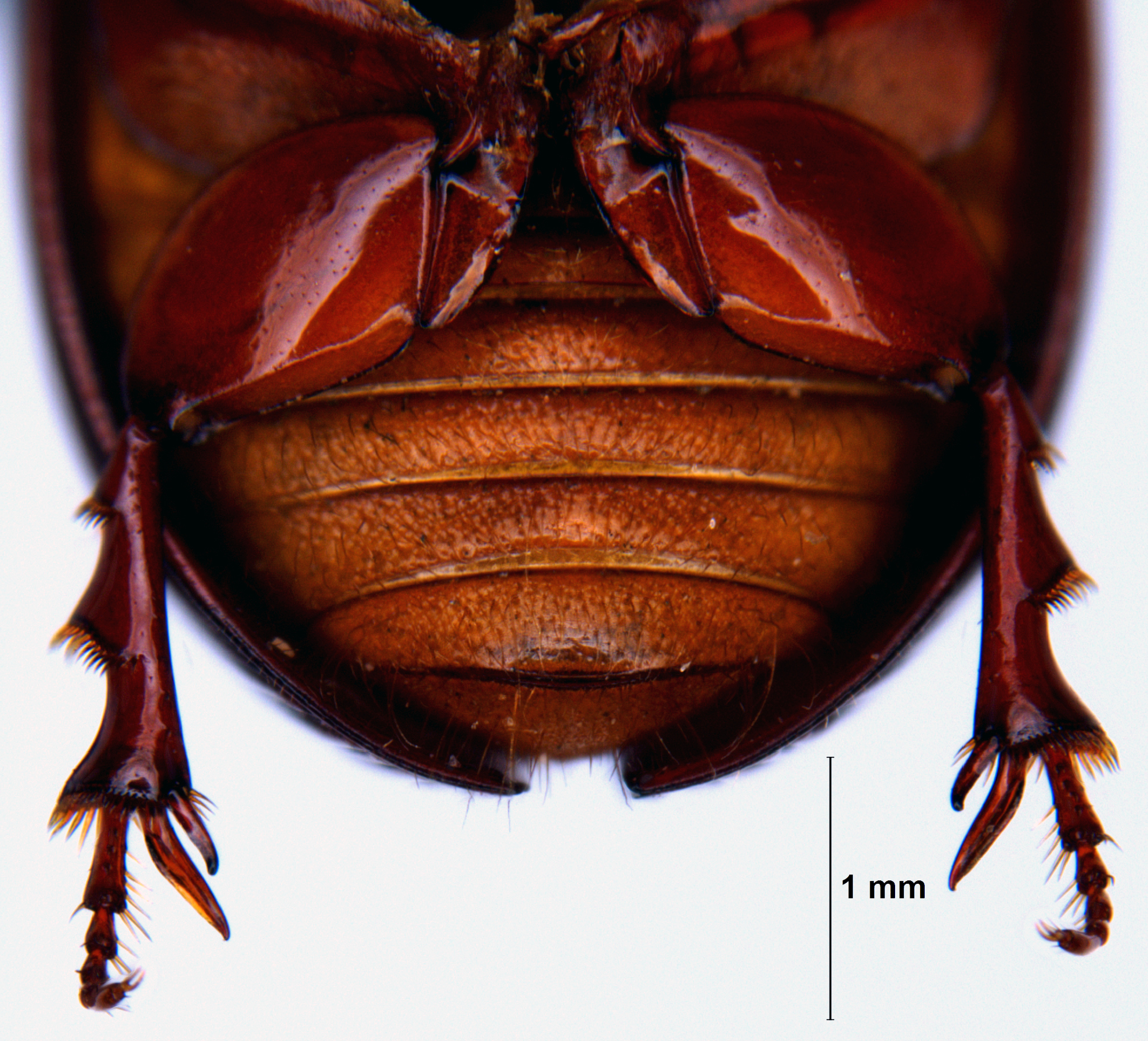
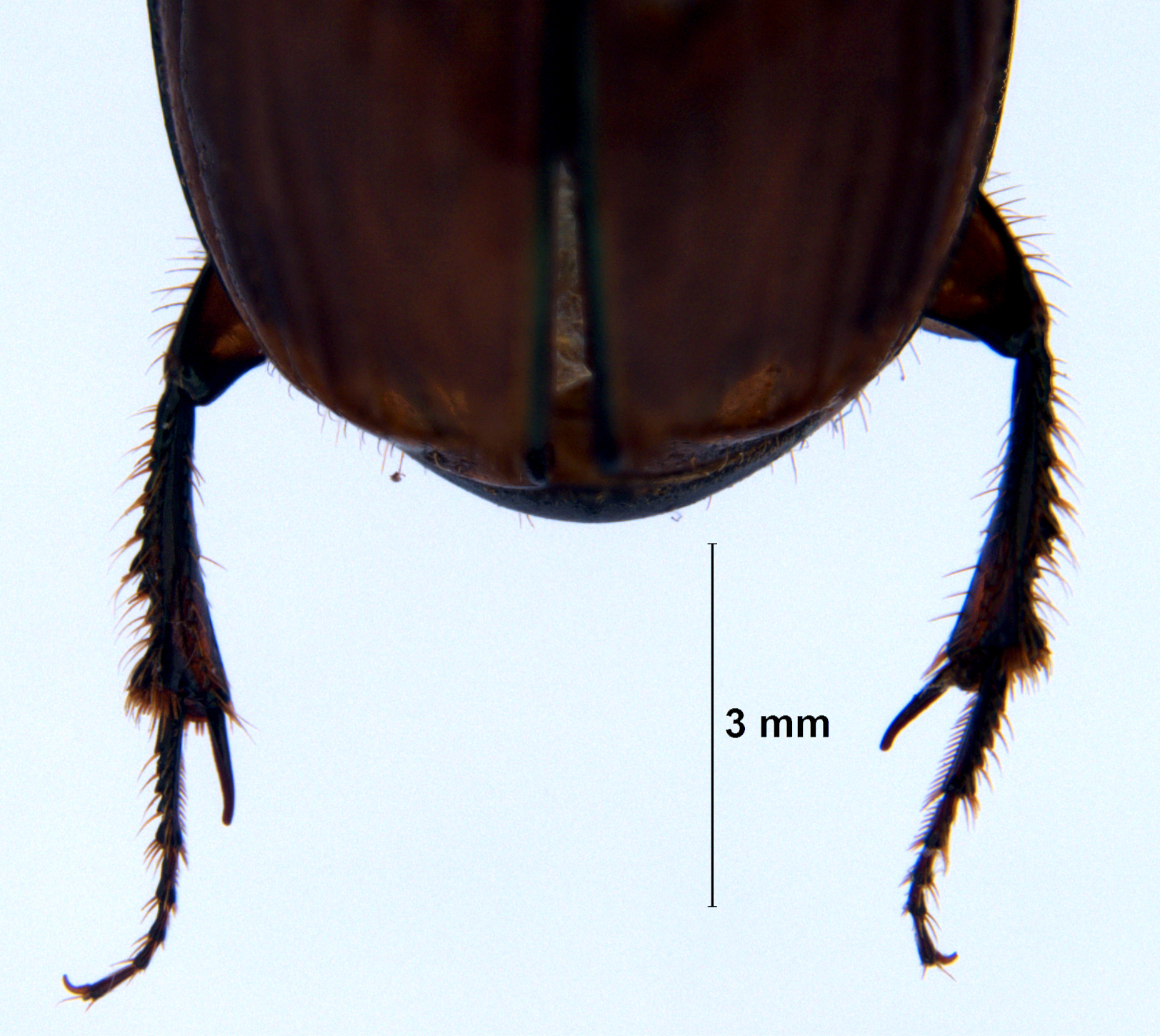
Subfamilies
Melolonthinae
Rutelinae
Dynastinae