Key to the Tribes of Subfamily Melolonthinae (Moser, 1913; Evans and Smith, 2020; Ahrens, 2005)
1.Fifth abdominal sternite covering the sixth sternite (Fig. 15a) and labrum not sinuated or incised, and straight (Fig. 16a)....
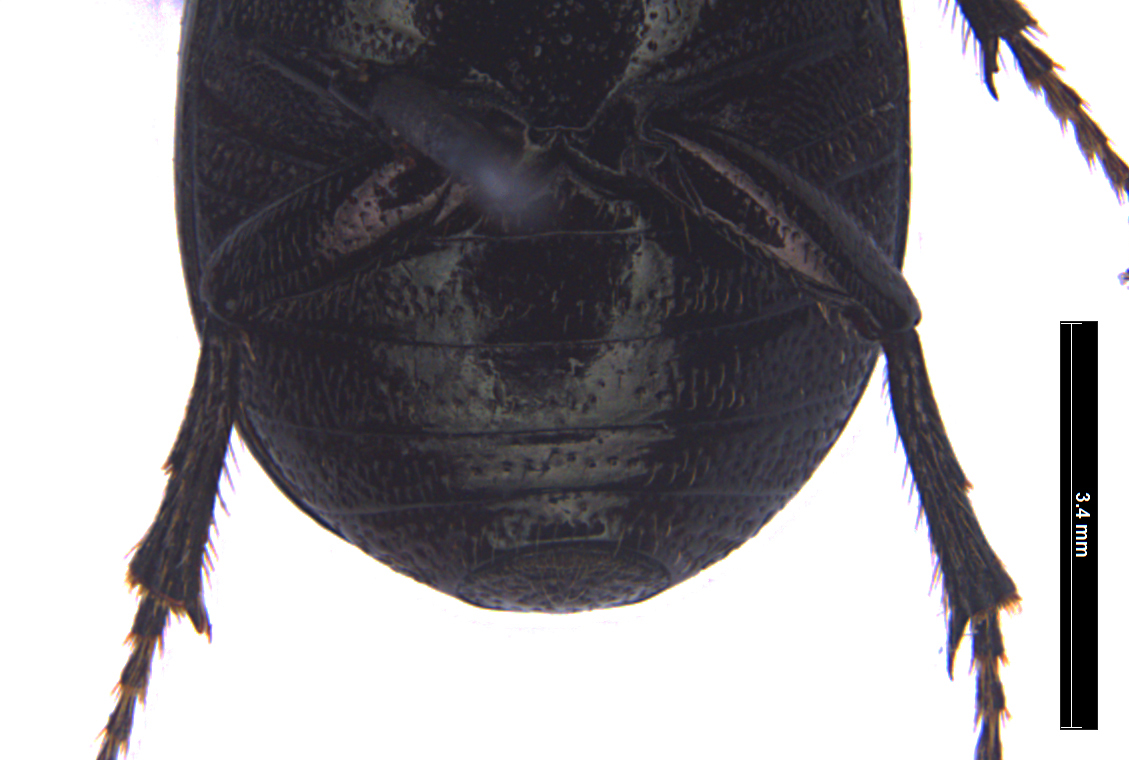
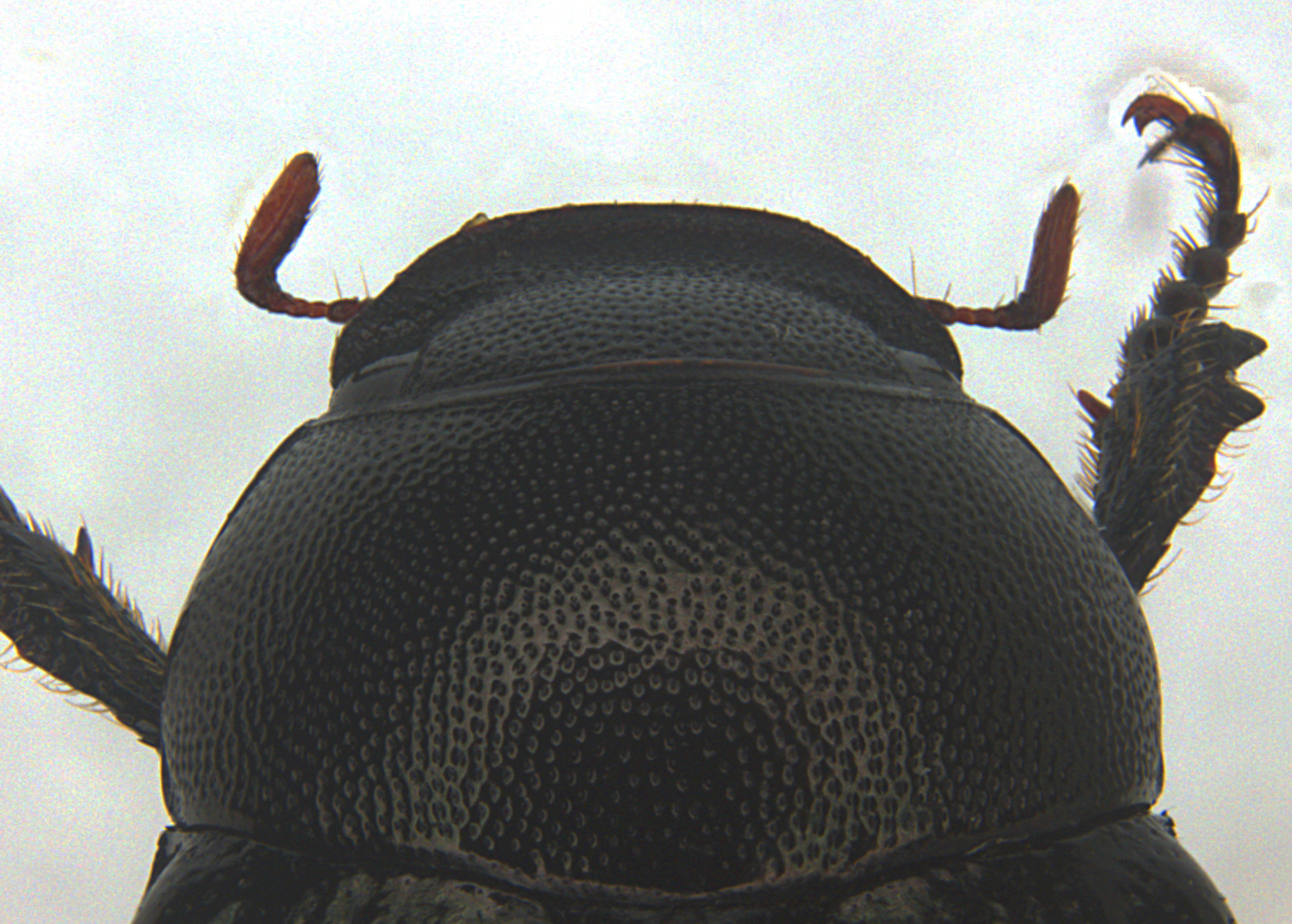
Fifth abdominal sternite not covering the sixth sternite (Fig. 15b) and labrum sinuated or incised (Fig. 16b)..………………………
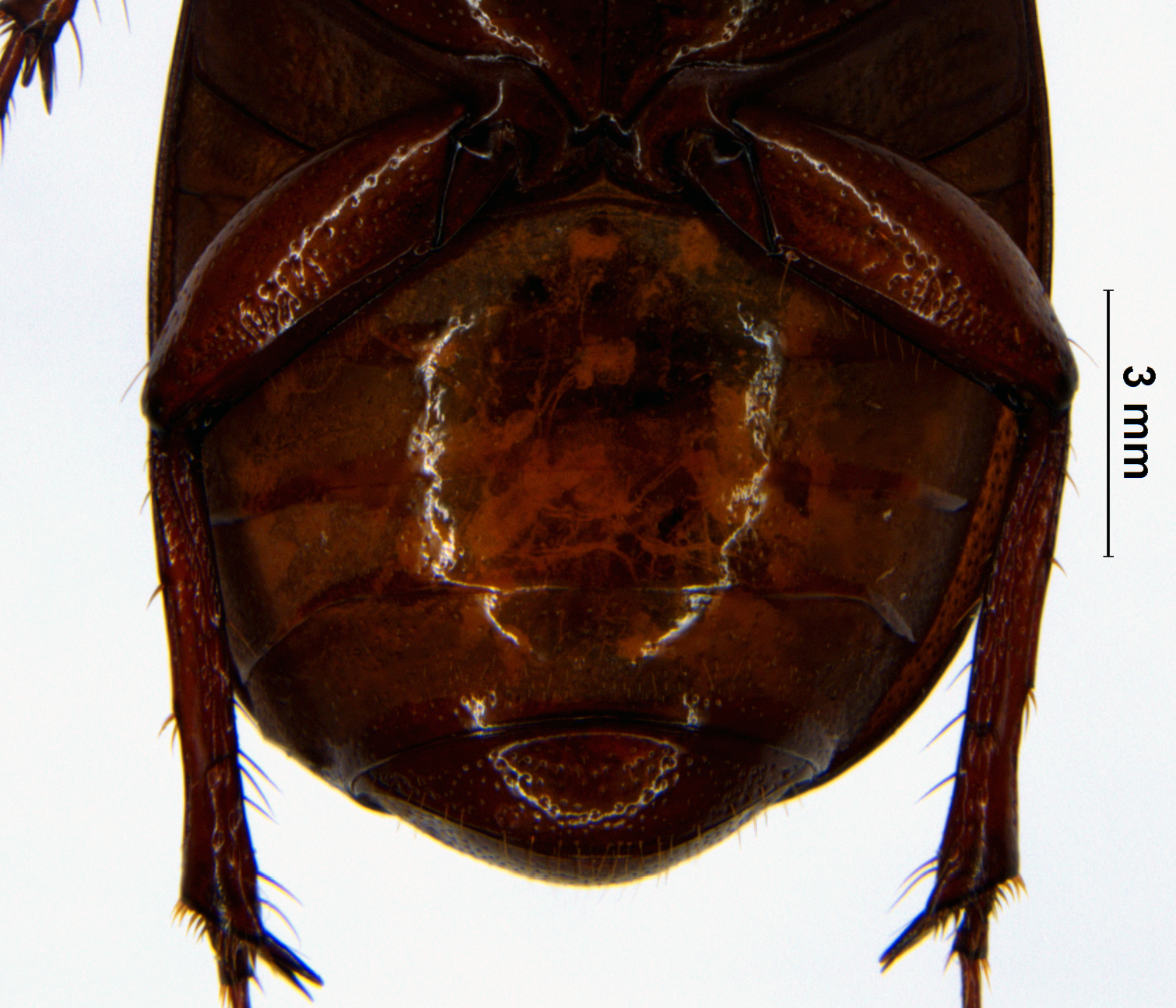
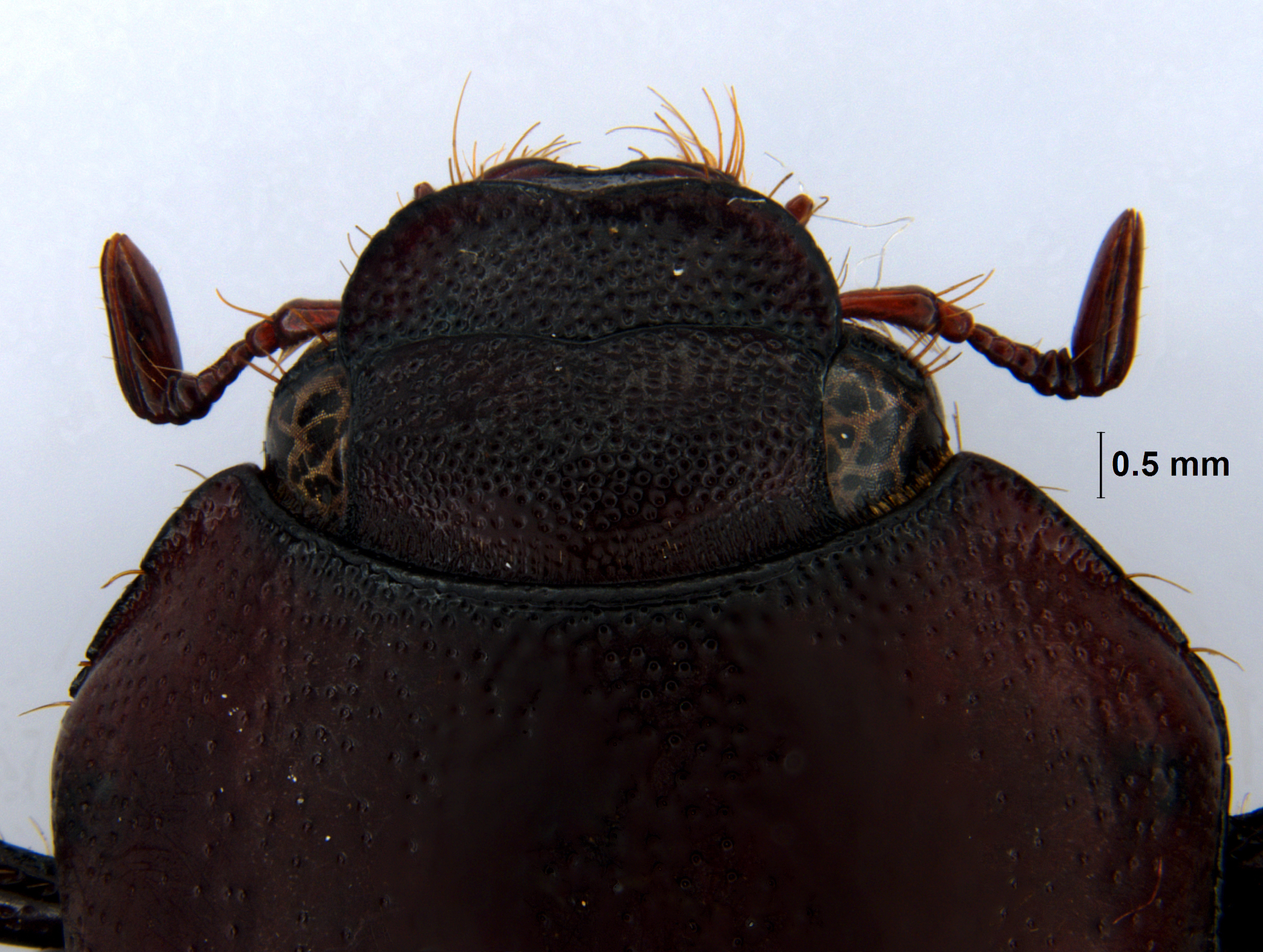
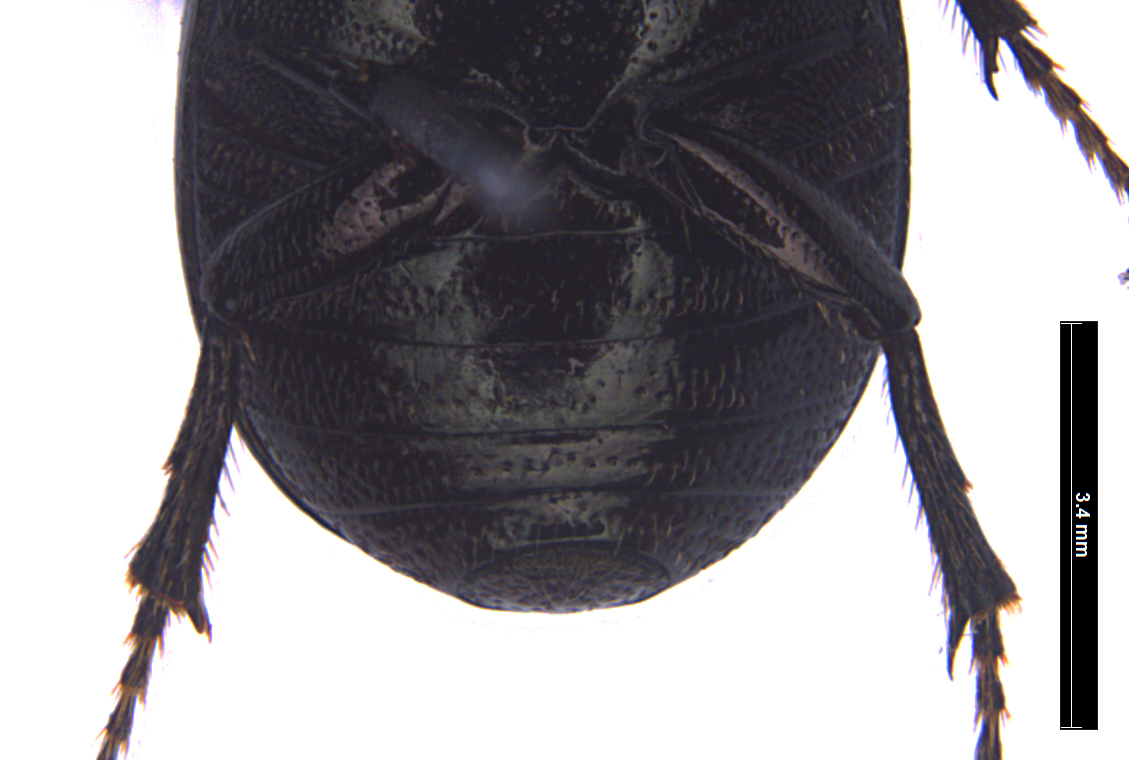
Fig.15a
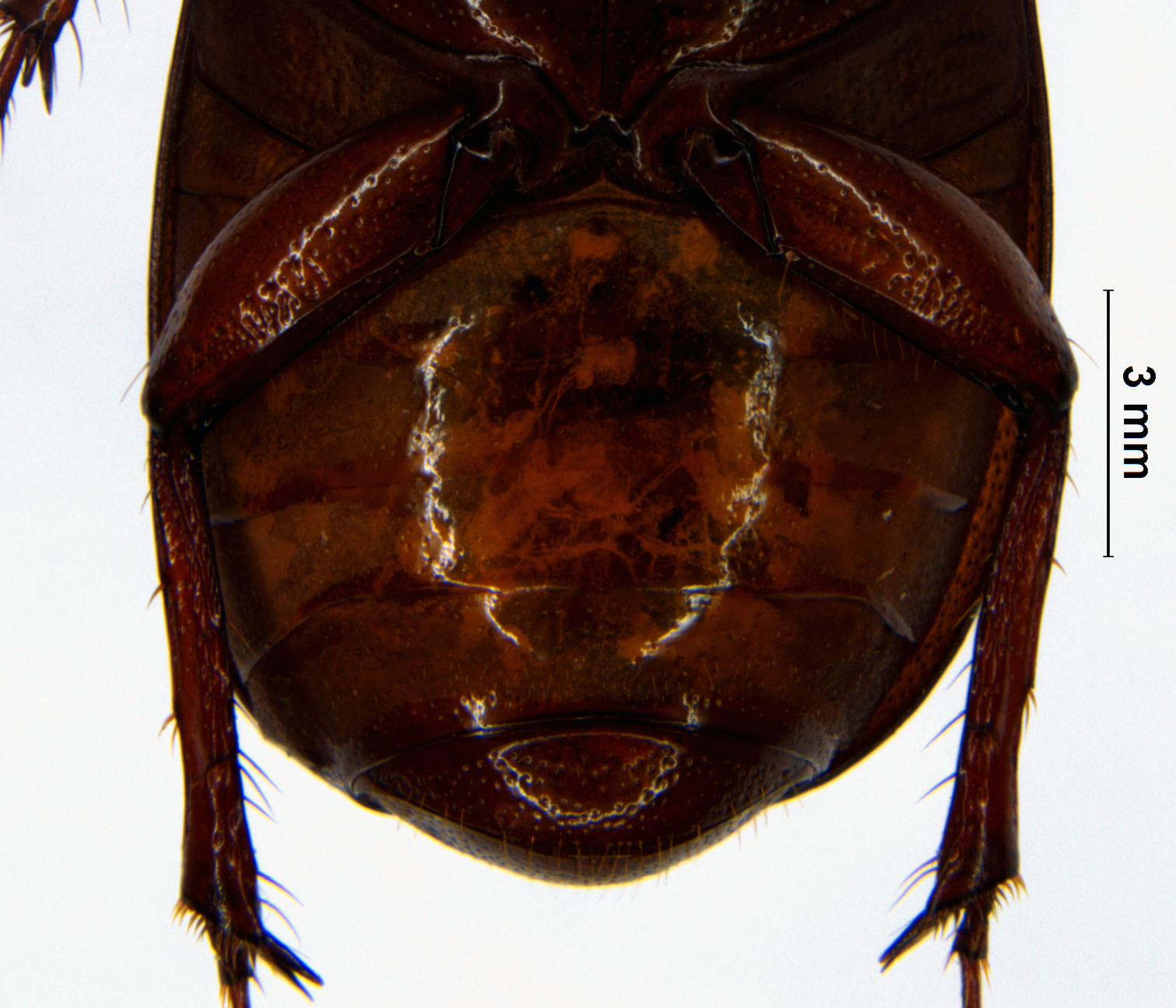
Fig.15b
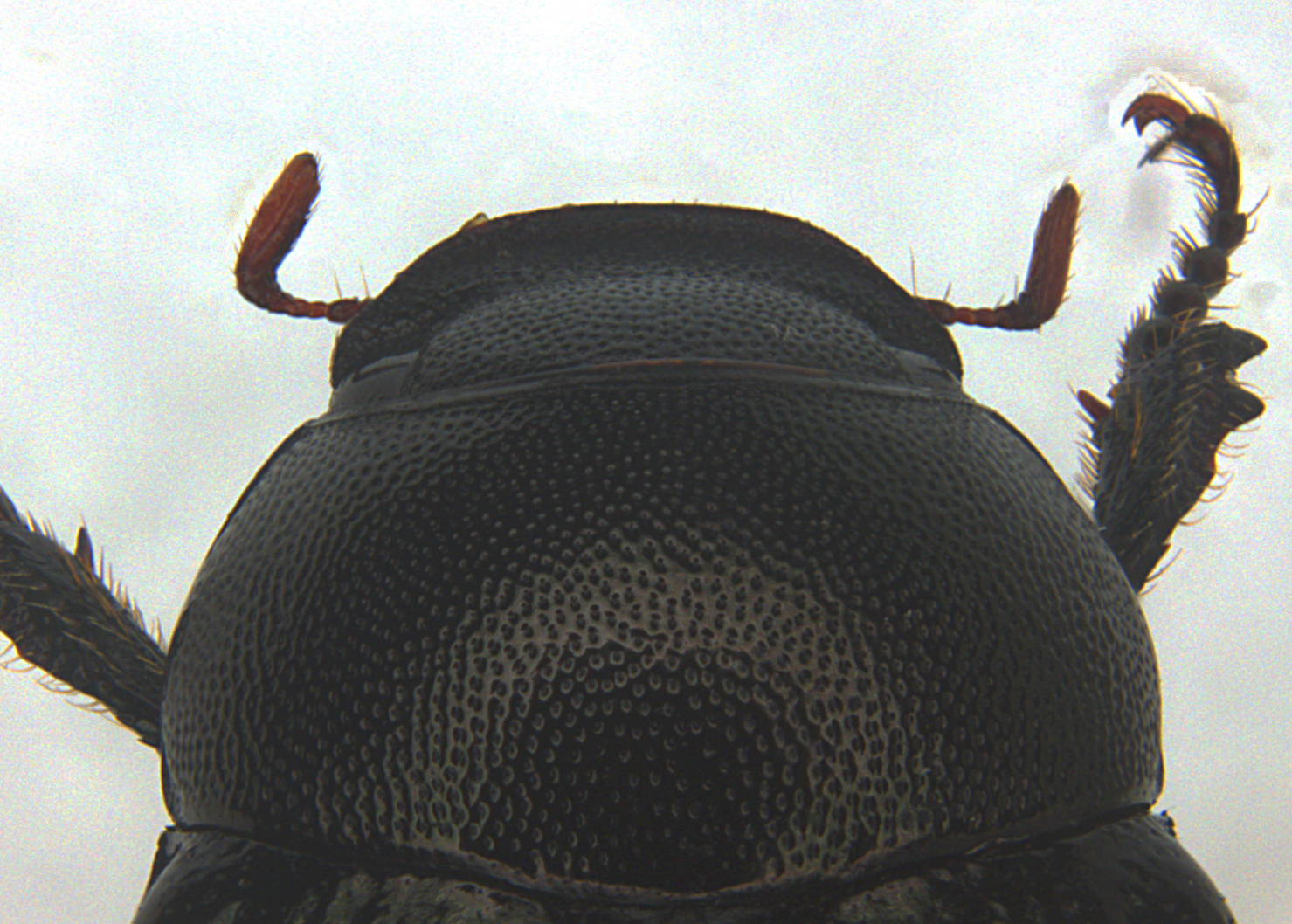
Fig.16a
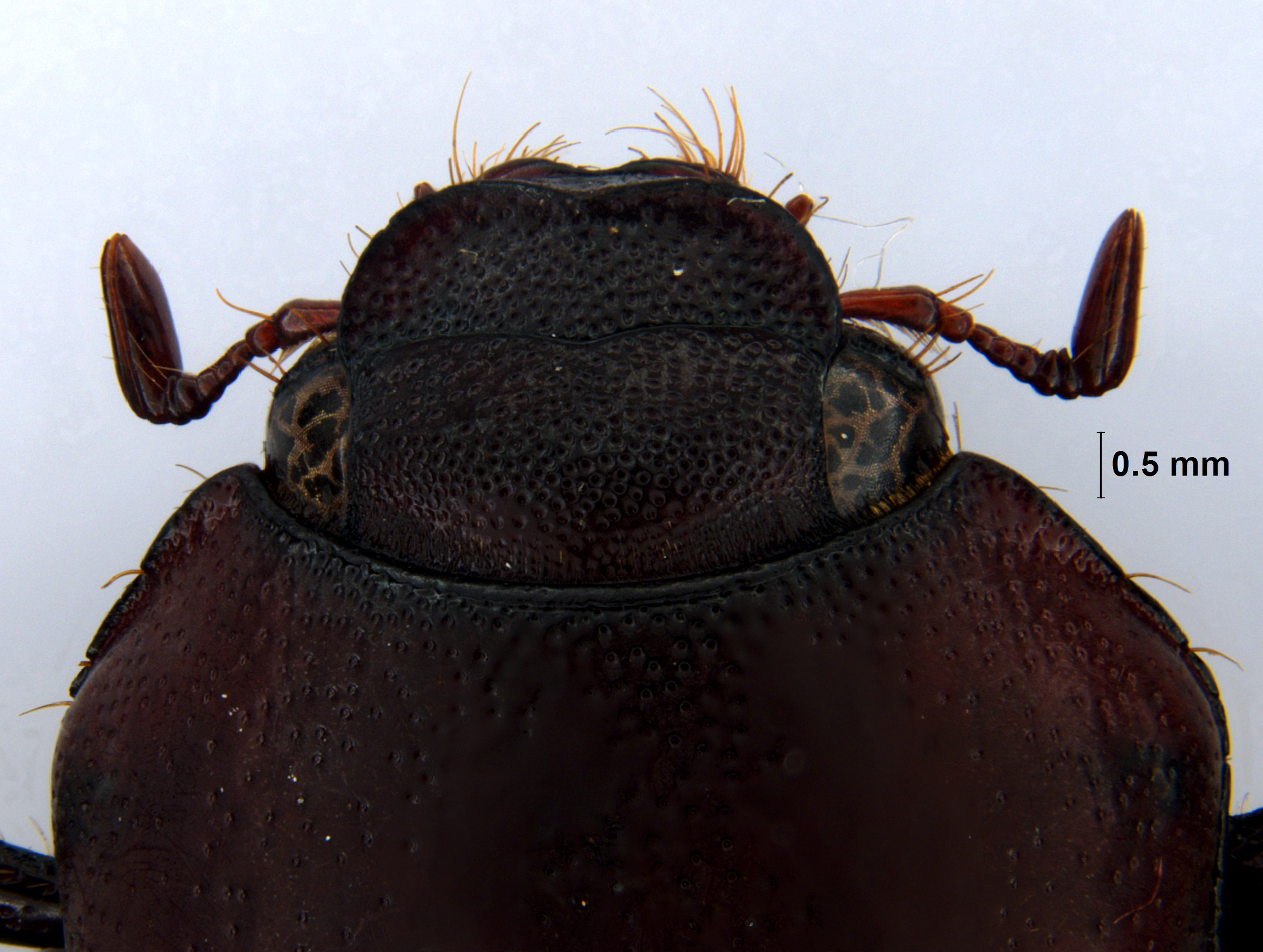
Fig.16b
2.Meta tibial spurs 2, arranged each on either side of the tarsal segments, above and below the articulation of tarsus (Fig. 17a) and labrum amalgamated with the clypeus and body oval shaped (Fig. 18a) ………..……………..……………..……………..…………
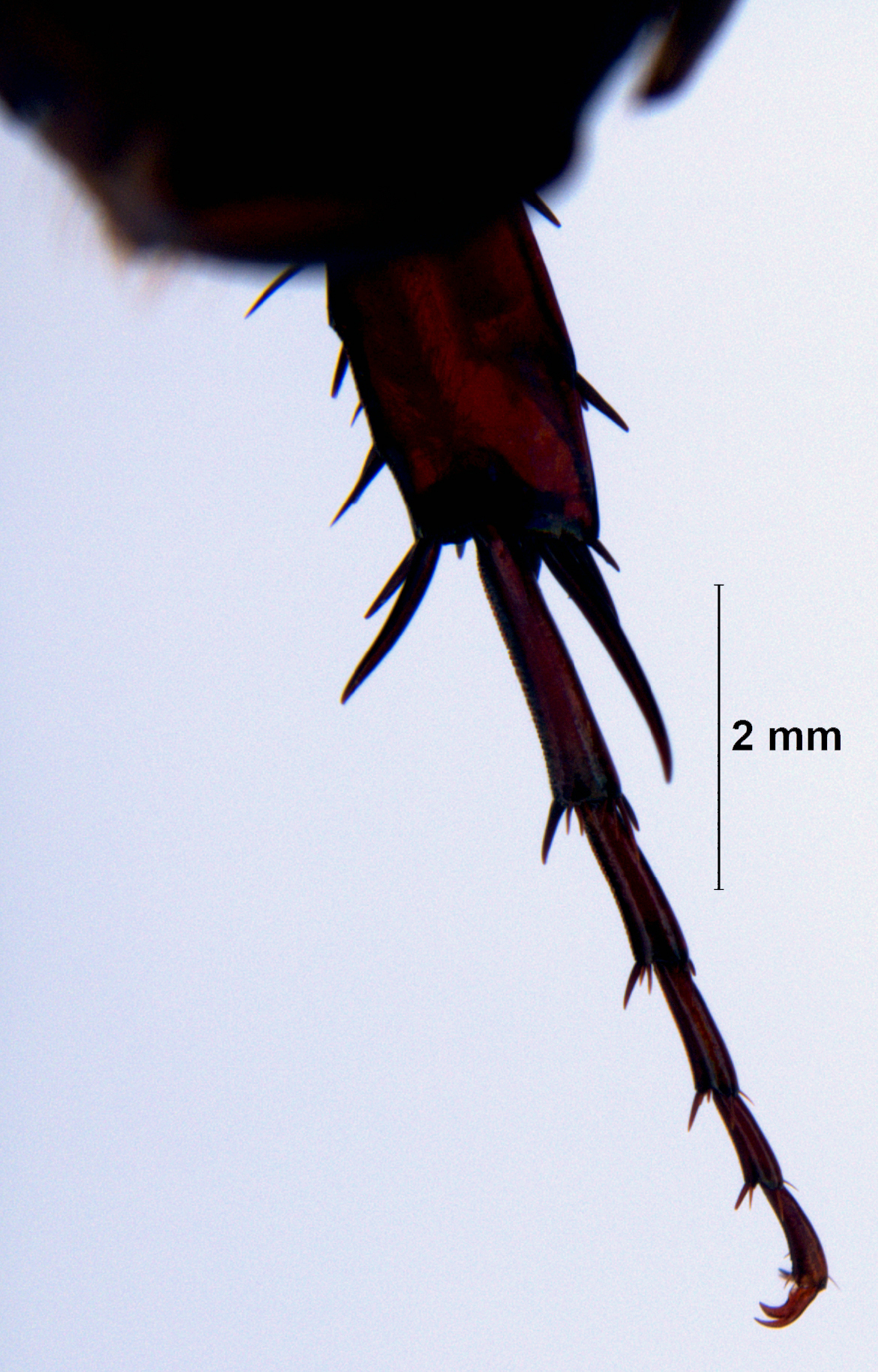
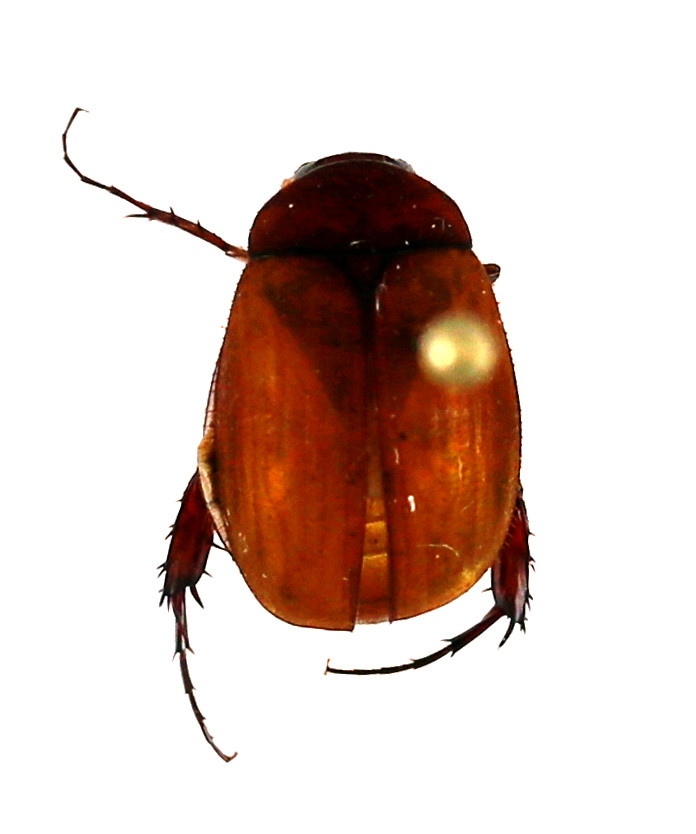
Meta tibial spurs 2, arranged both to one side of the tarsal segments, below the articulation of tarsus (Fig. 17b) and labrum not amalgamated with the clypeus and body not oval shaped (Fig. 18b)………………………………………………………………………………
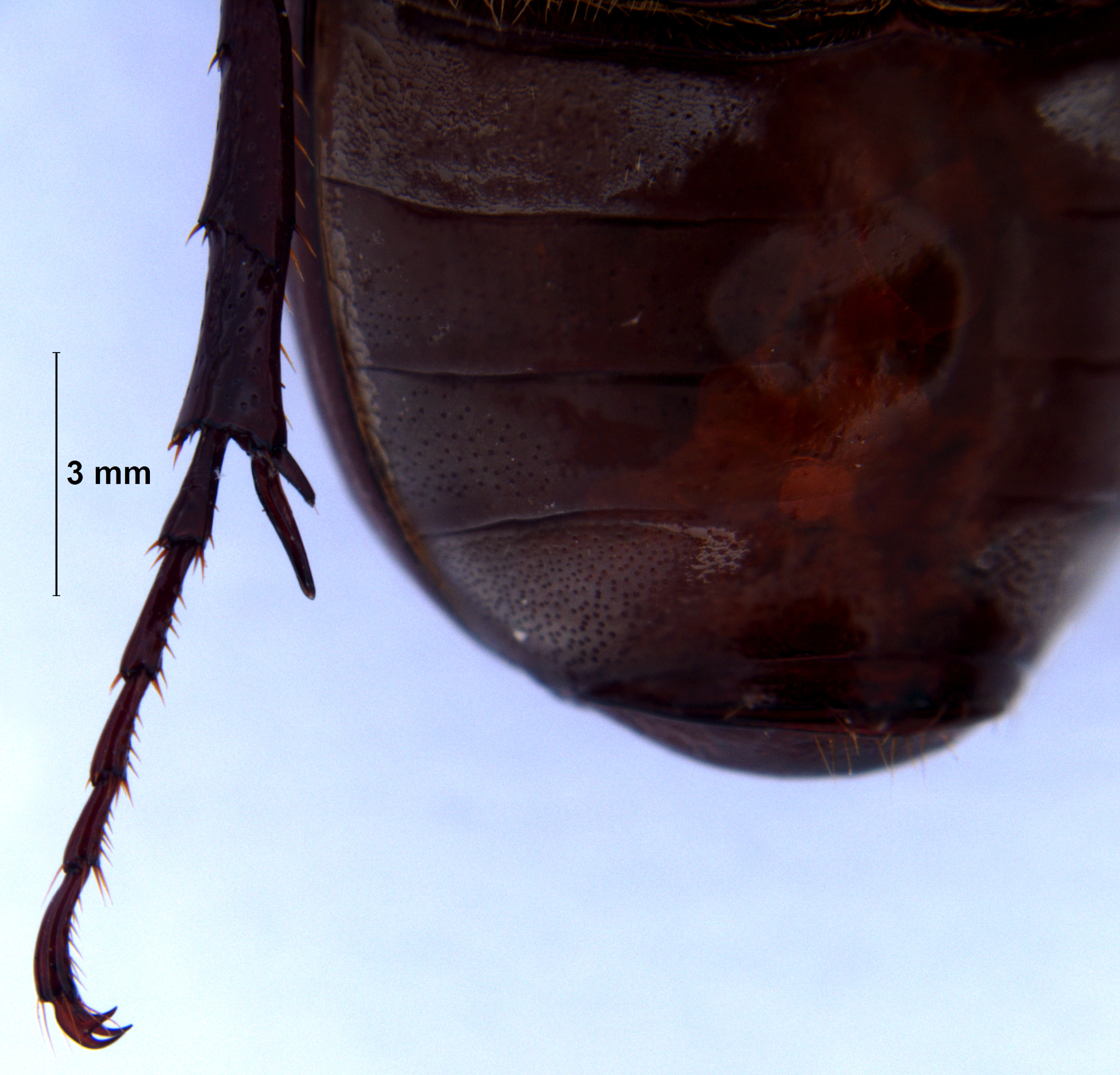
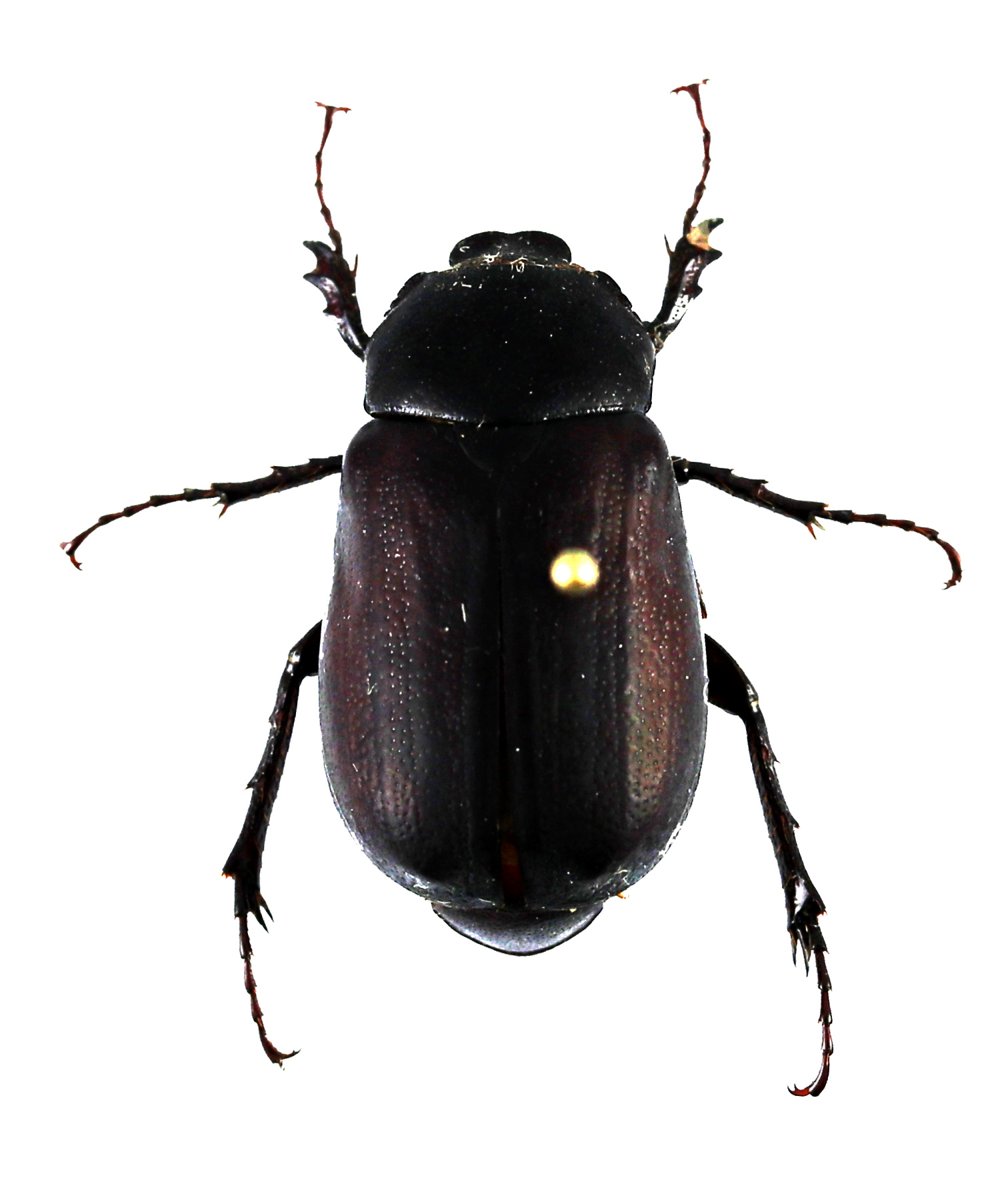
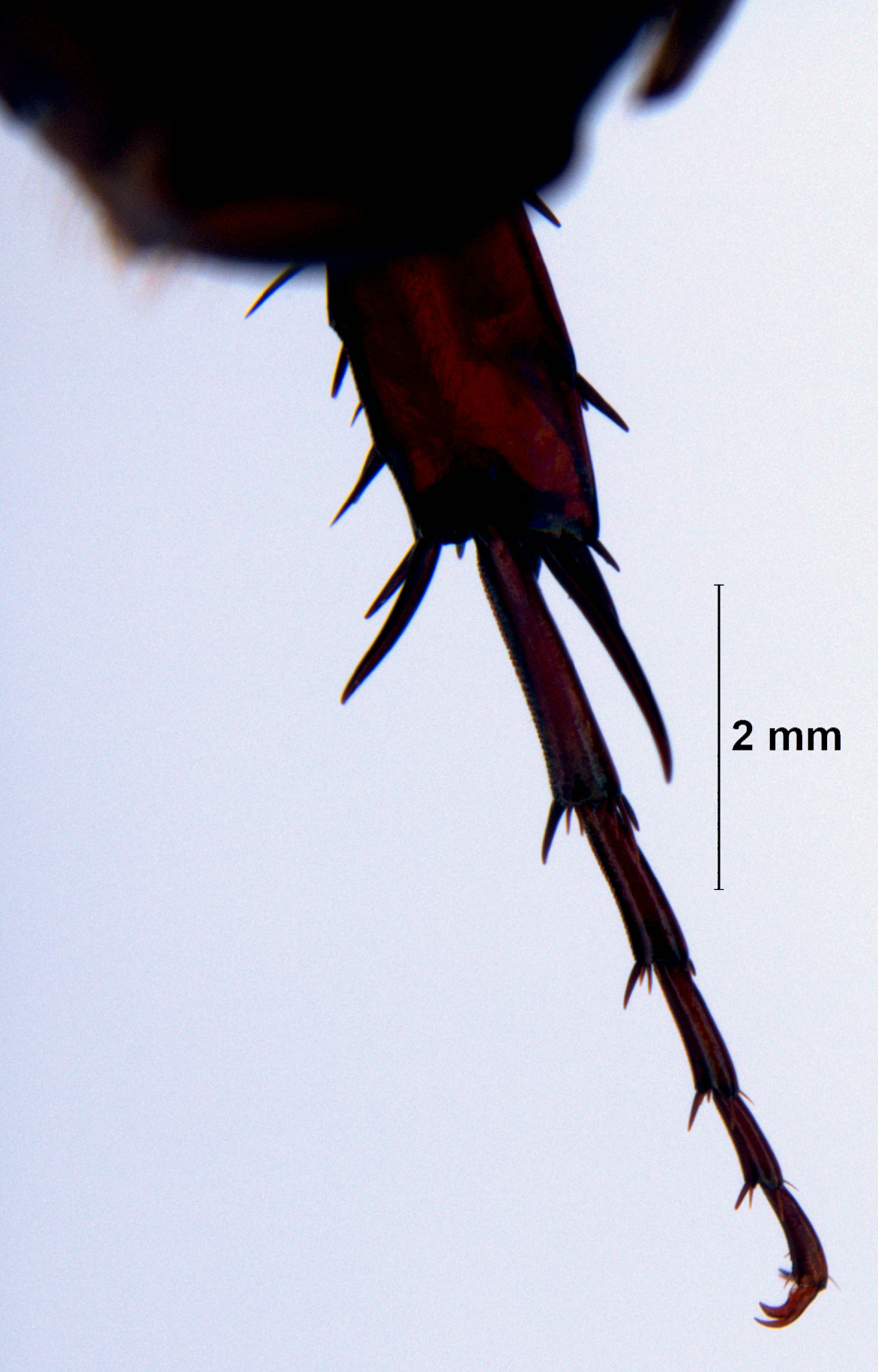
Fig.17a
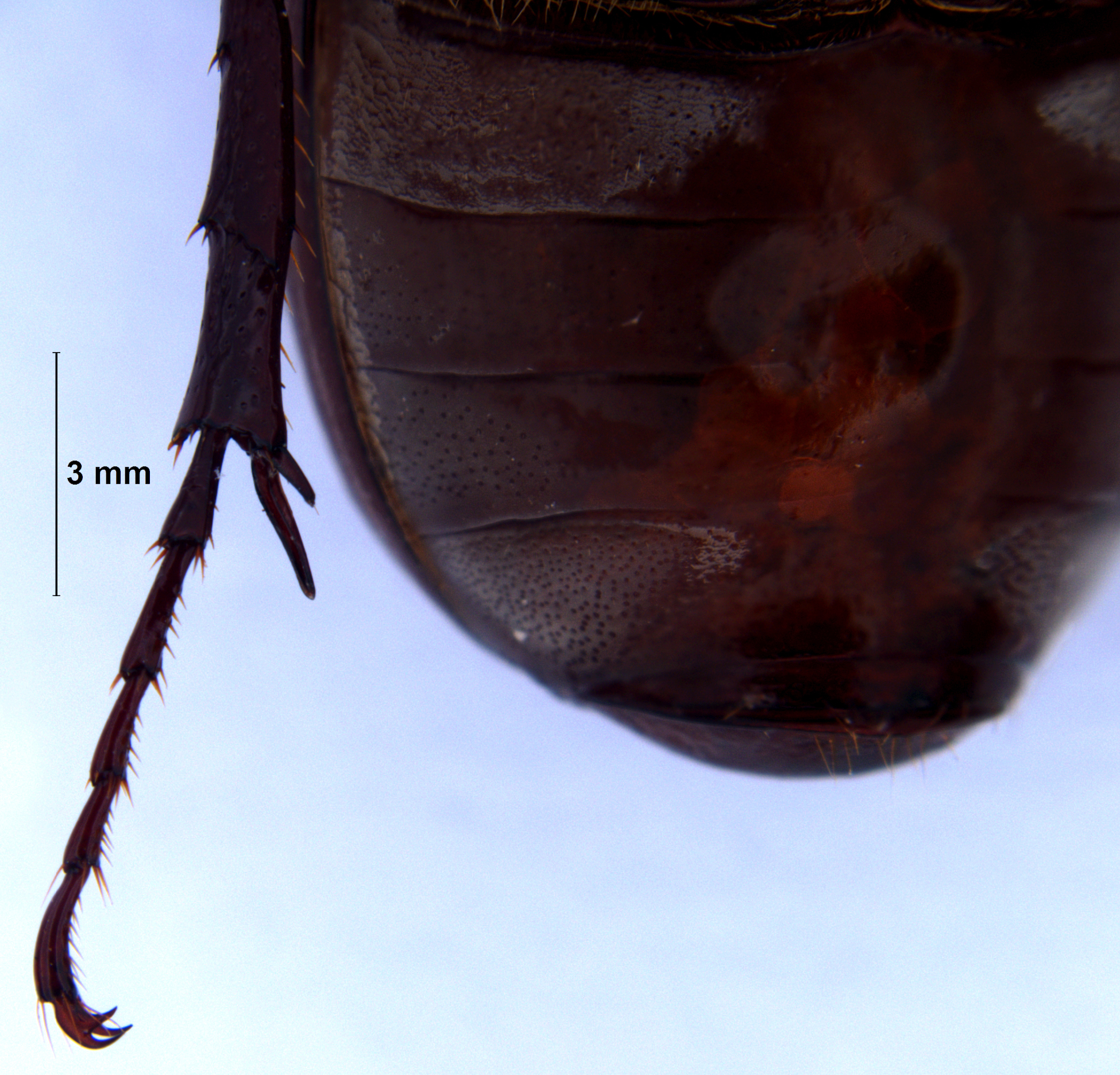
Fig.17b
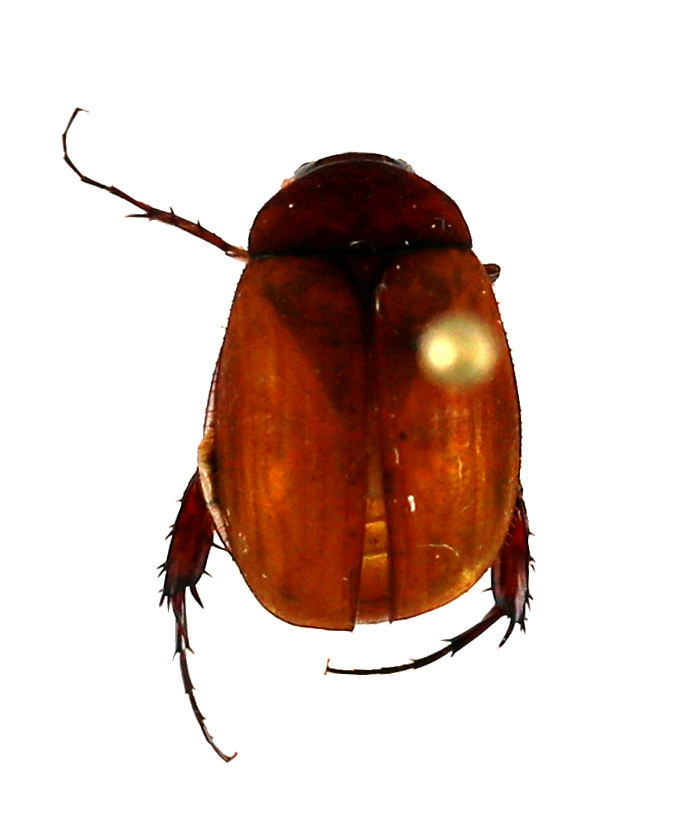
Fig.18a
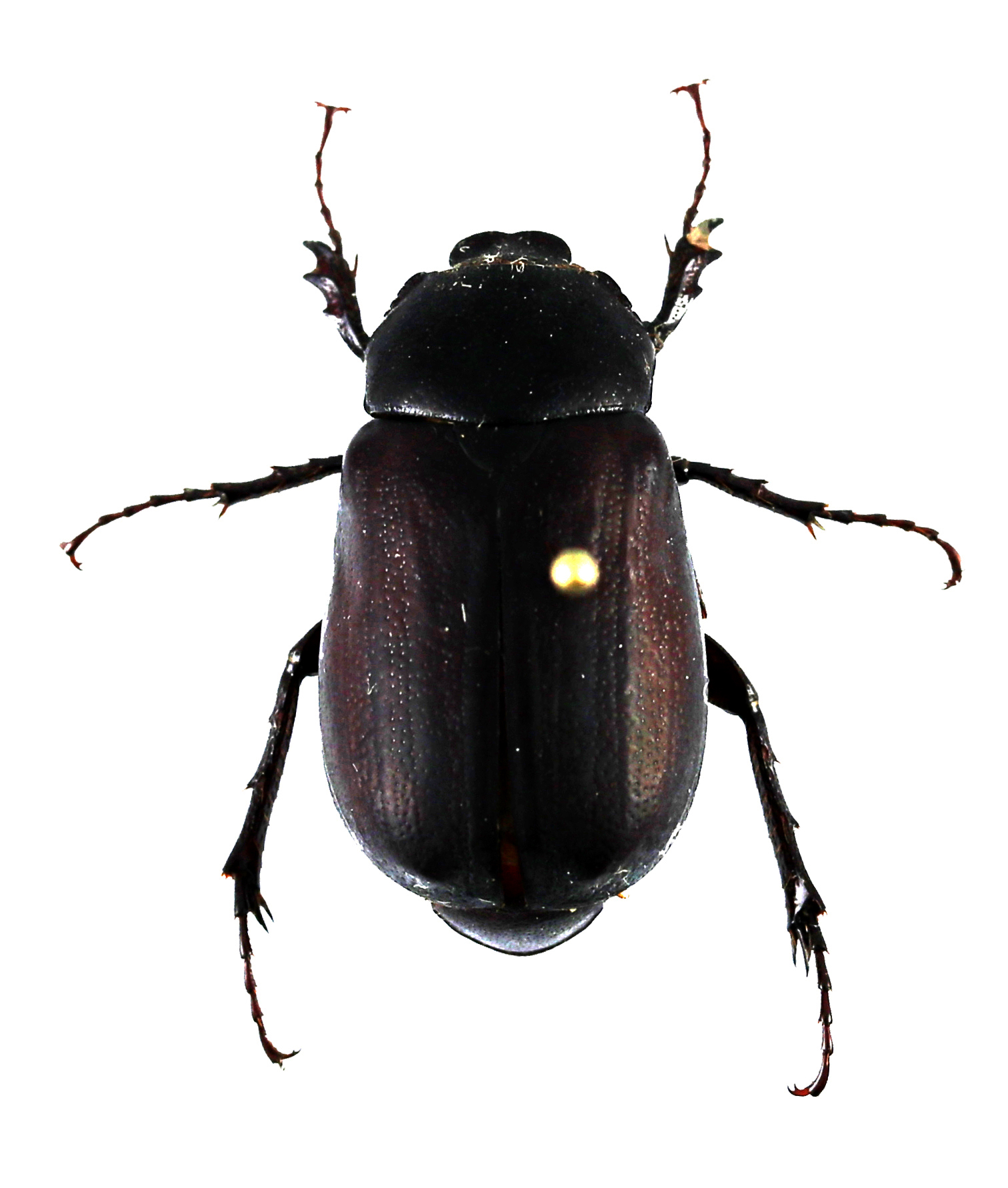
Fig.18
3.Metepisternum narrow (Fig. 19a) ……………...………....……………...………....……………...………....……………...………....……………...………....
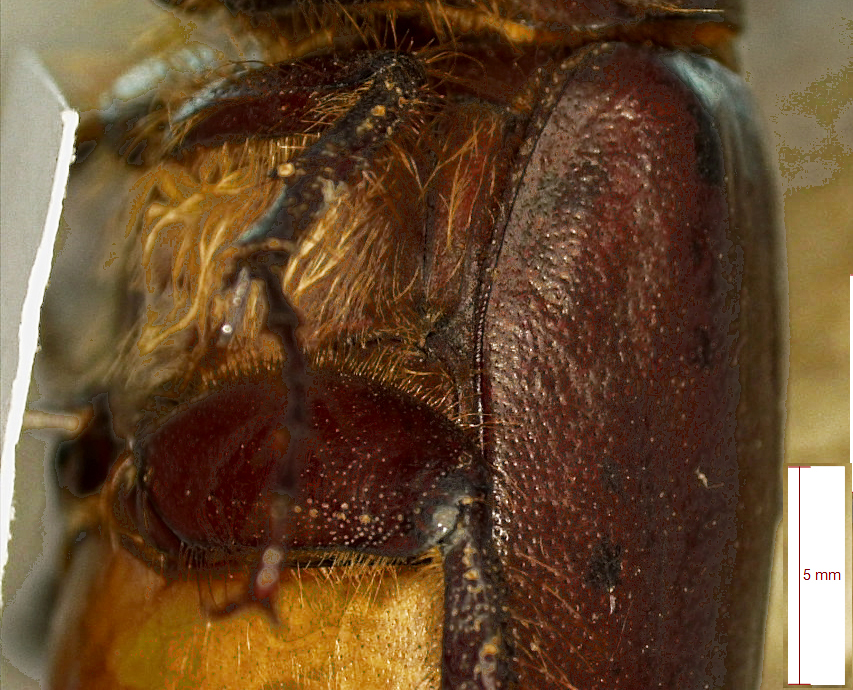
Metepisternum broad (Fig. 19b)....……...................………..………………...………....……………...………....……………...………....……………...……….
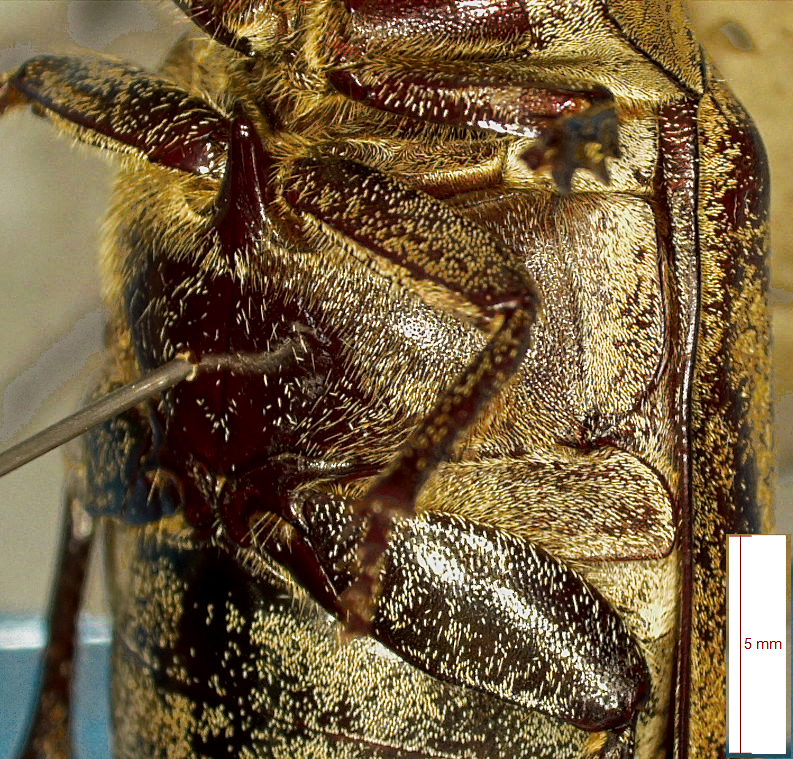
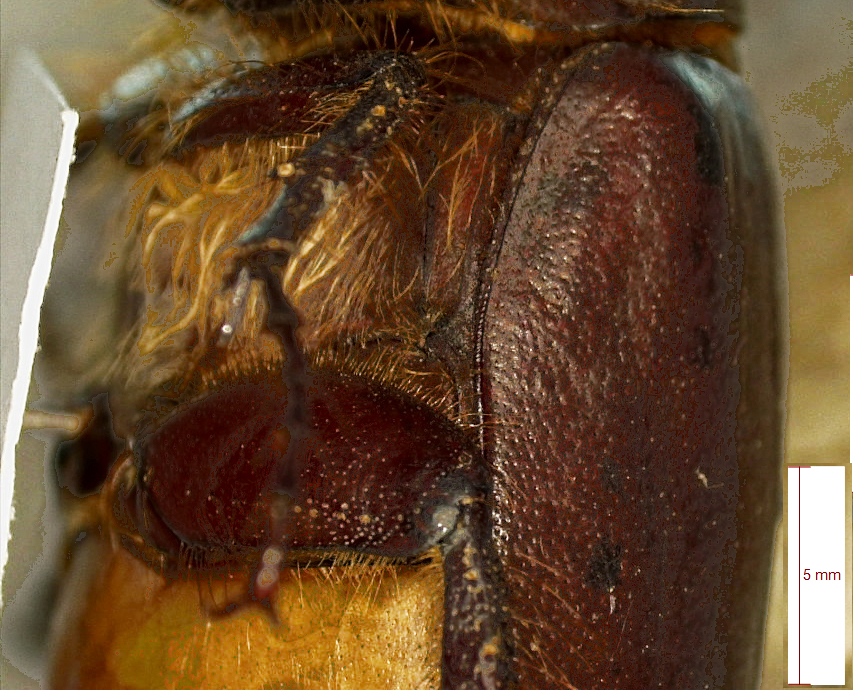
Fig.19a
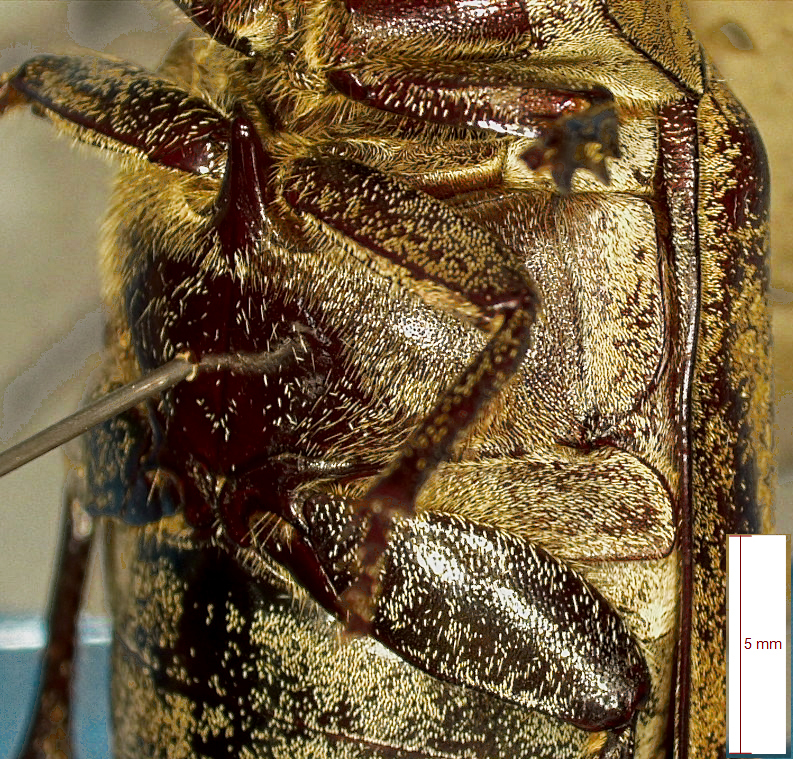
Fig.19b
Key to the Genera of Subfamily Melolonthinae (Moser, 1913; Arrow, 1943; Ahrens, 2005)
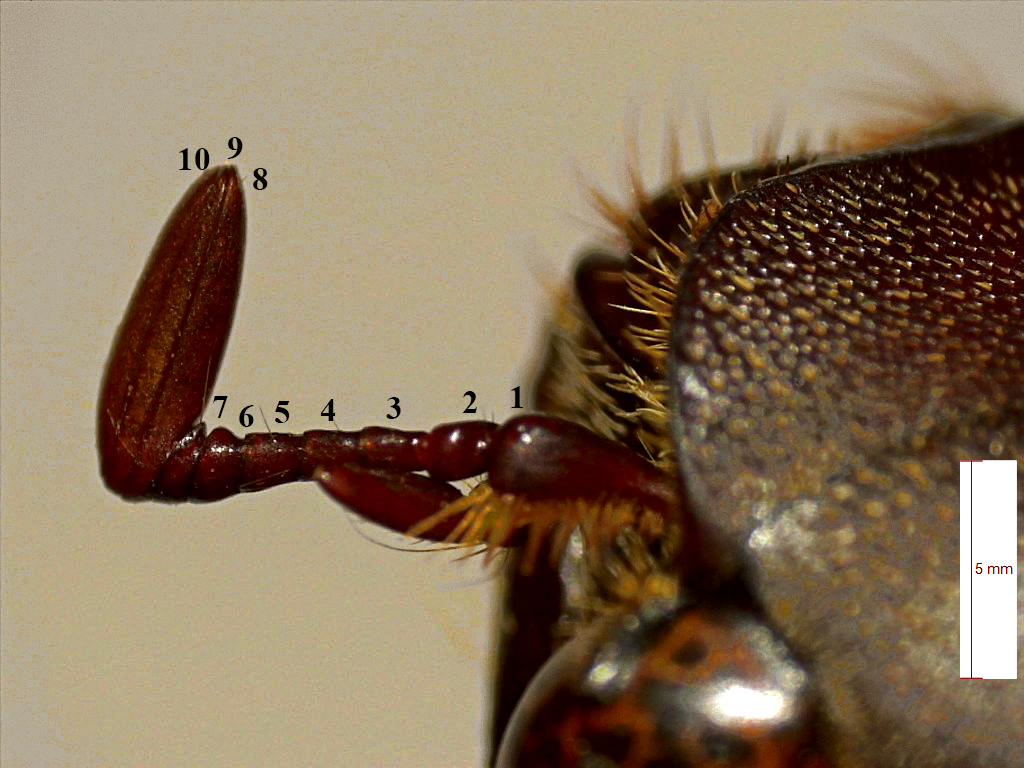
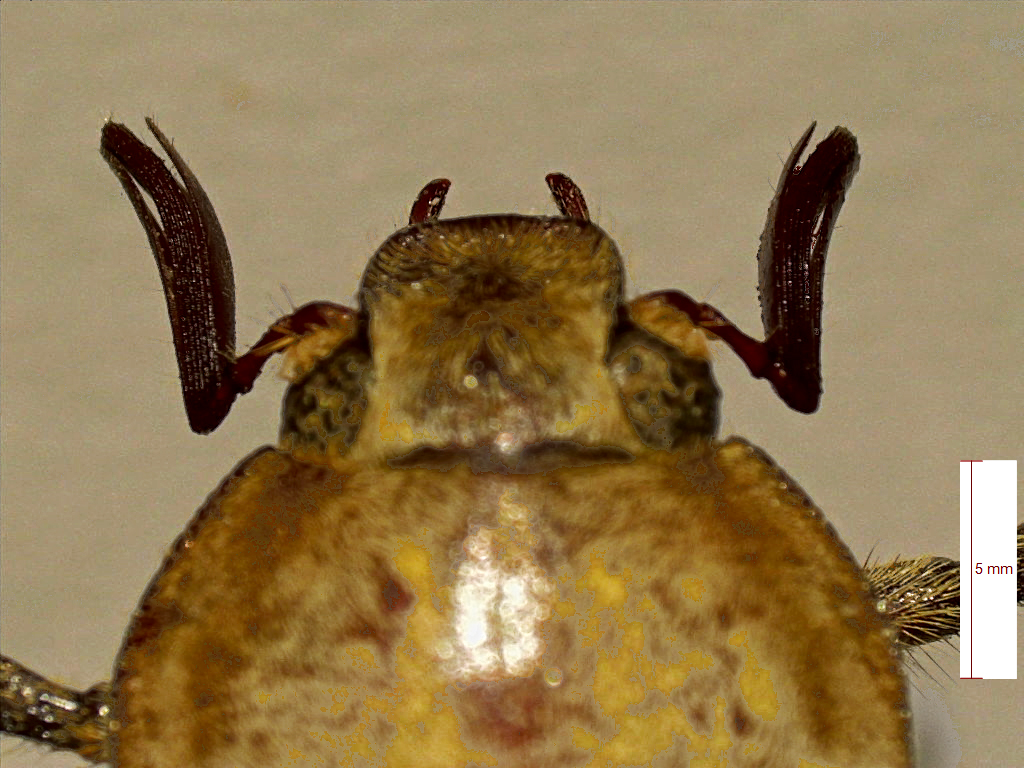
1.Antenna ten segmented (Fig. 20a), frontal carina may or may not present (Fig. 21a) …………………………………………...………..…
Antenna nine segmented (Fig. 20b) and frontal carina present at the base (Fig. 21b) ………………………...………....……………...…….
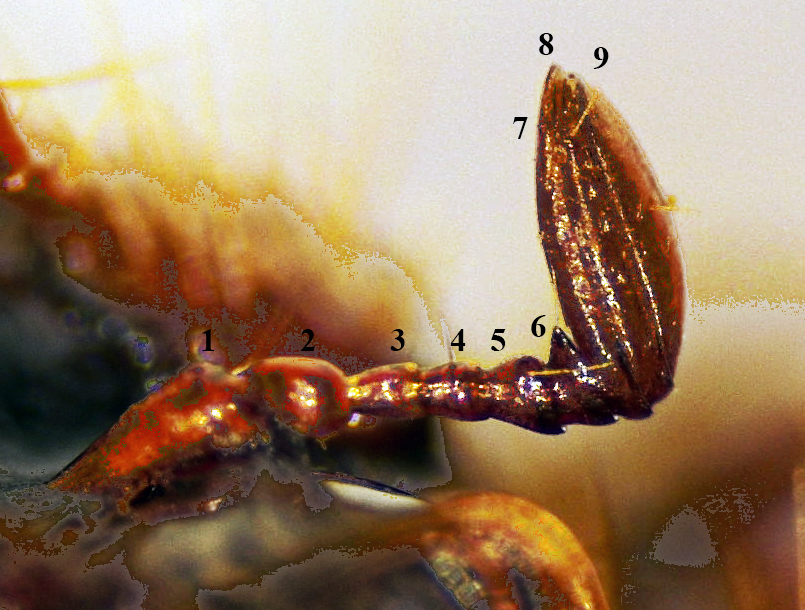
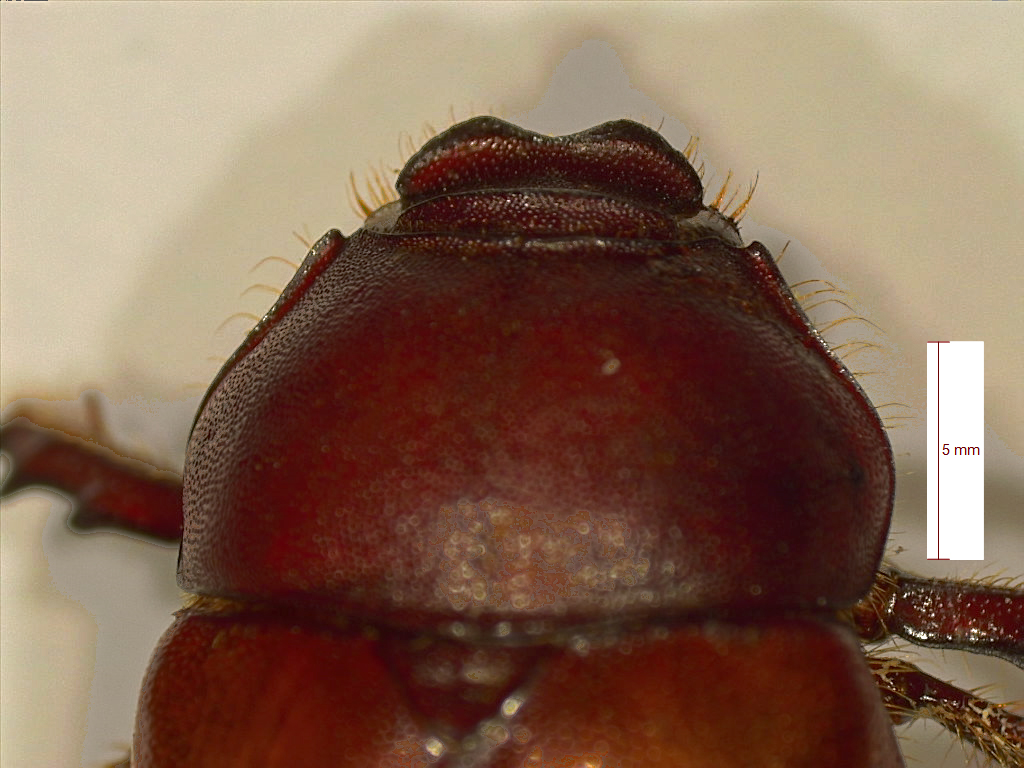
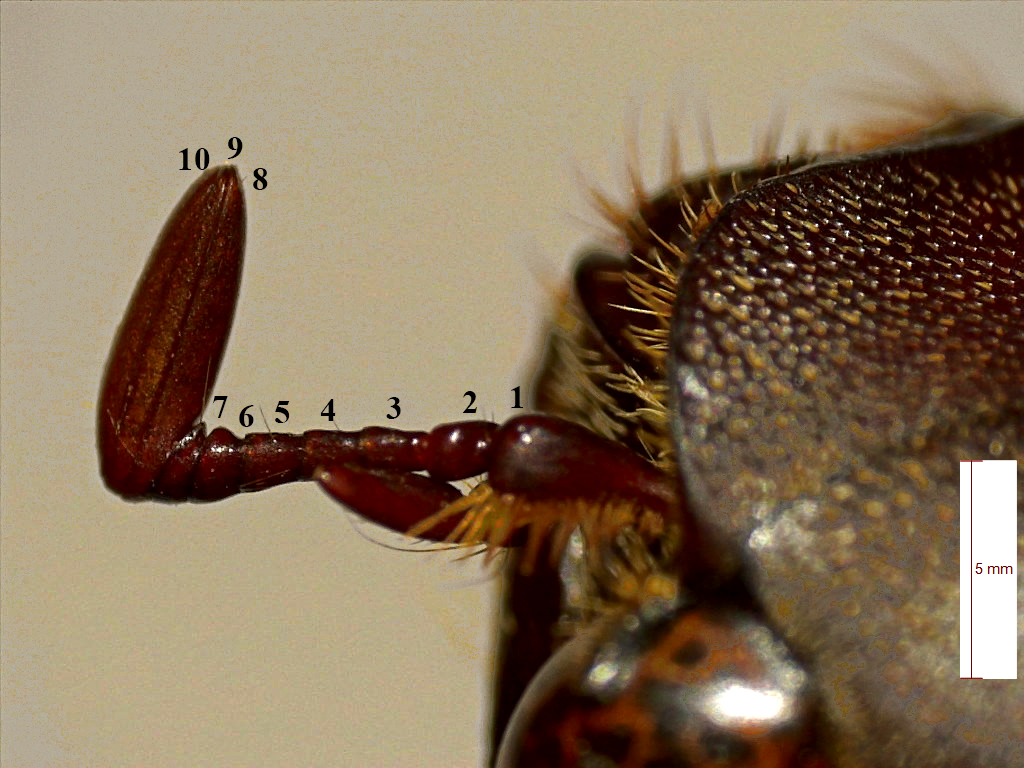
Fig.20a
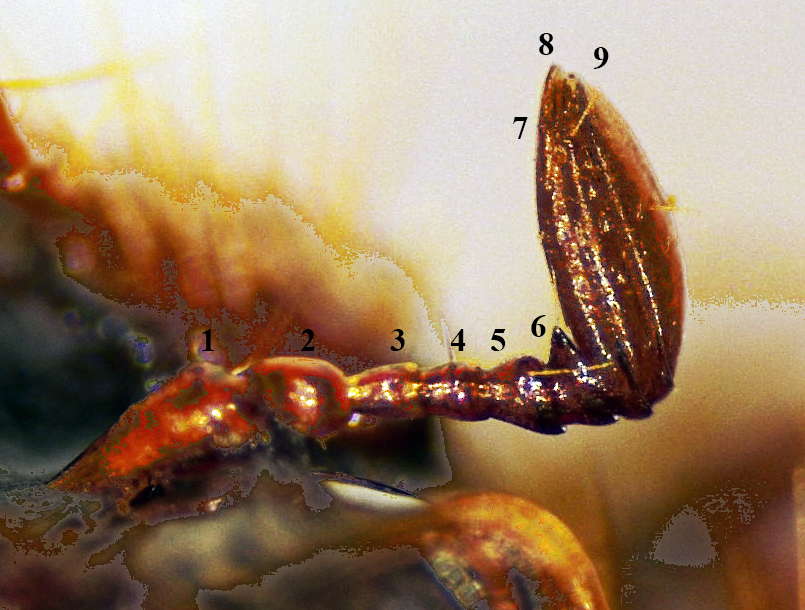
Fig.20b
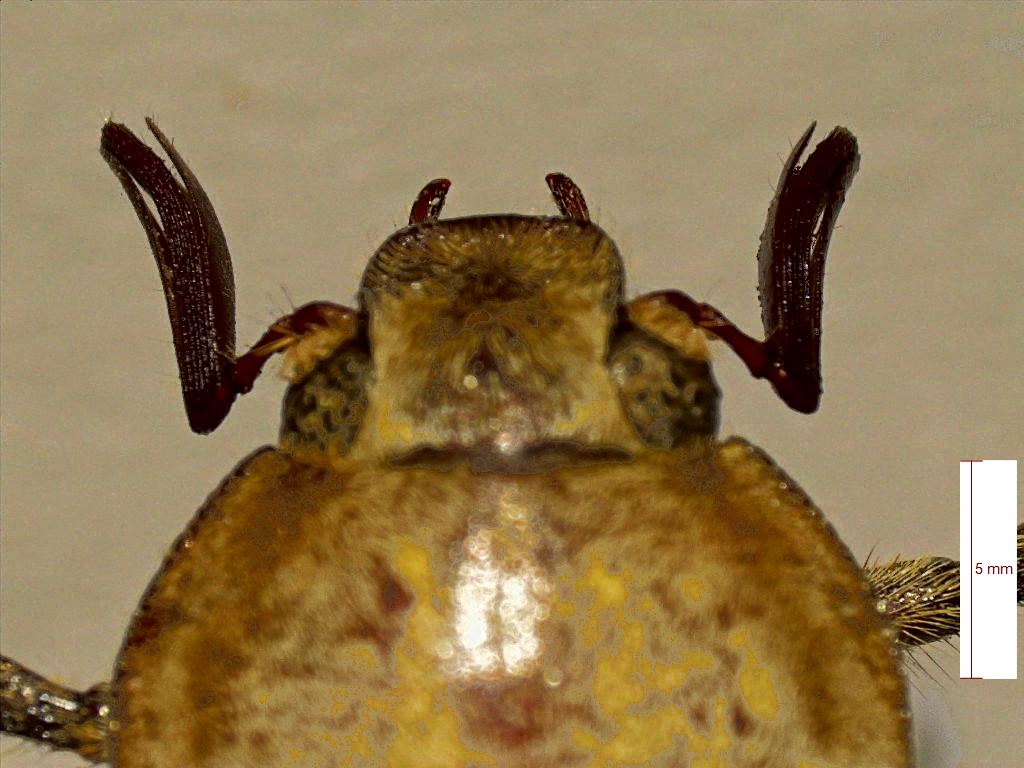
Fig.21a
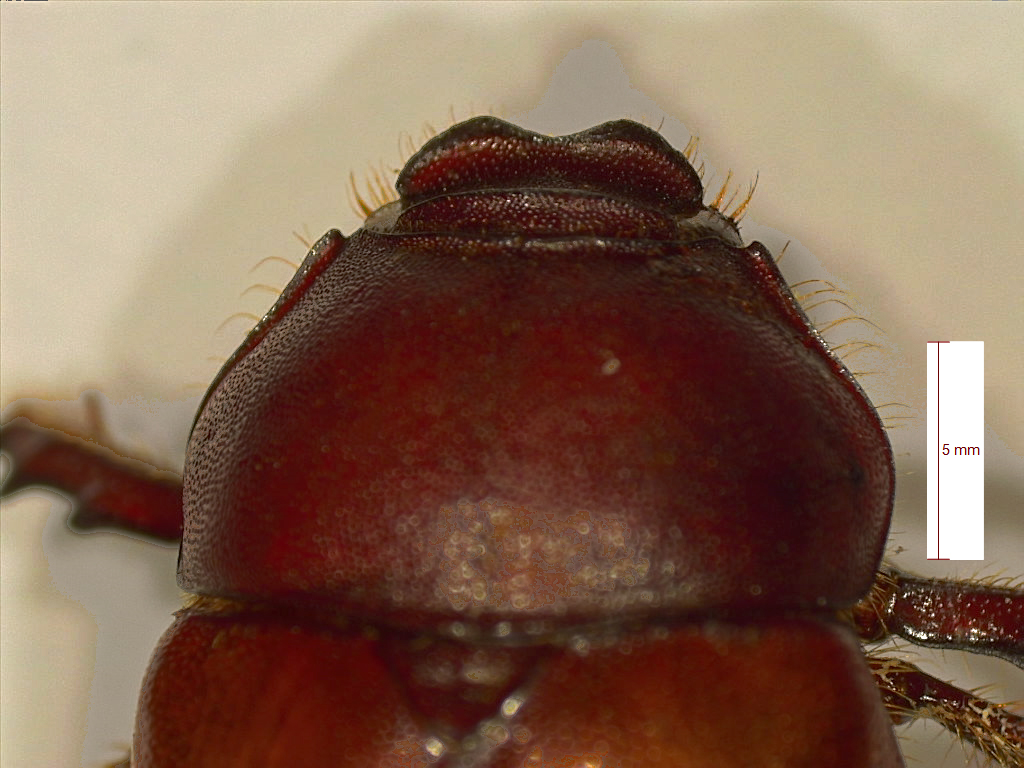
Fig.21b
2.Body clothed with scales (Fig 22a), antennal club 3-8 segmented, medium to large size beetles ……….……….……….……….……
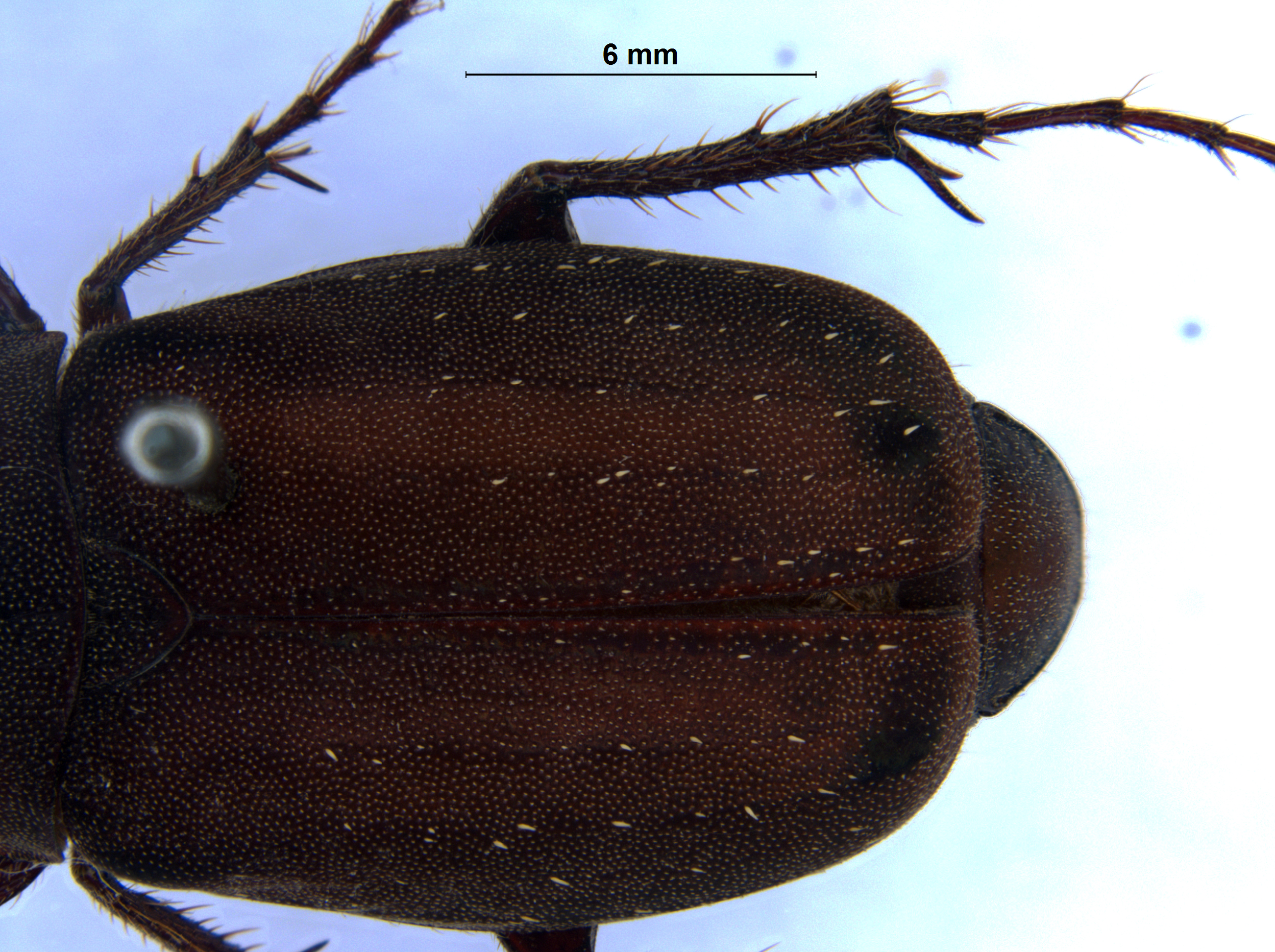
Body not clothed with scales (Fig. 22b), antennal club 3 segmented, small to medium sized beetles ……….……….……….……….…
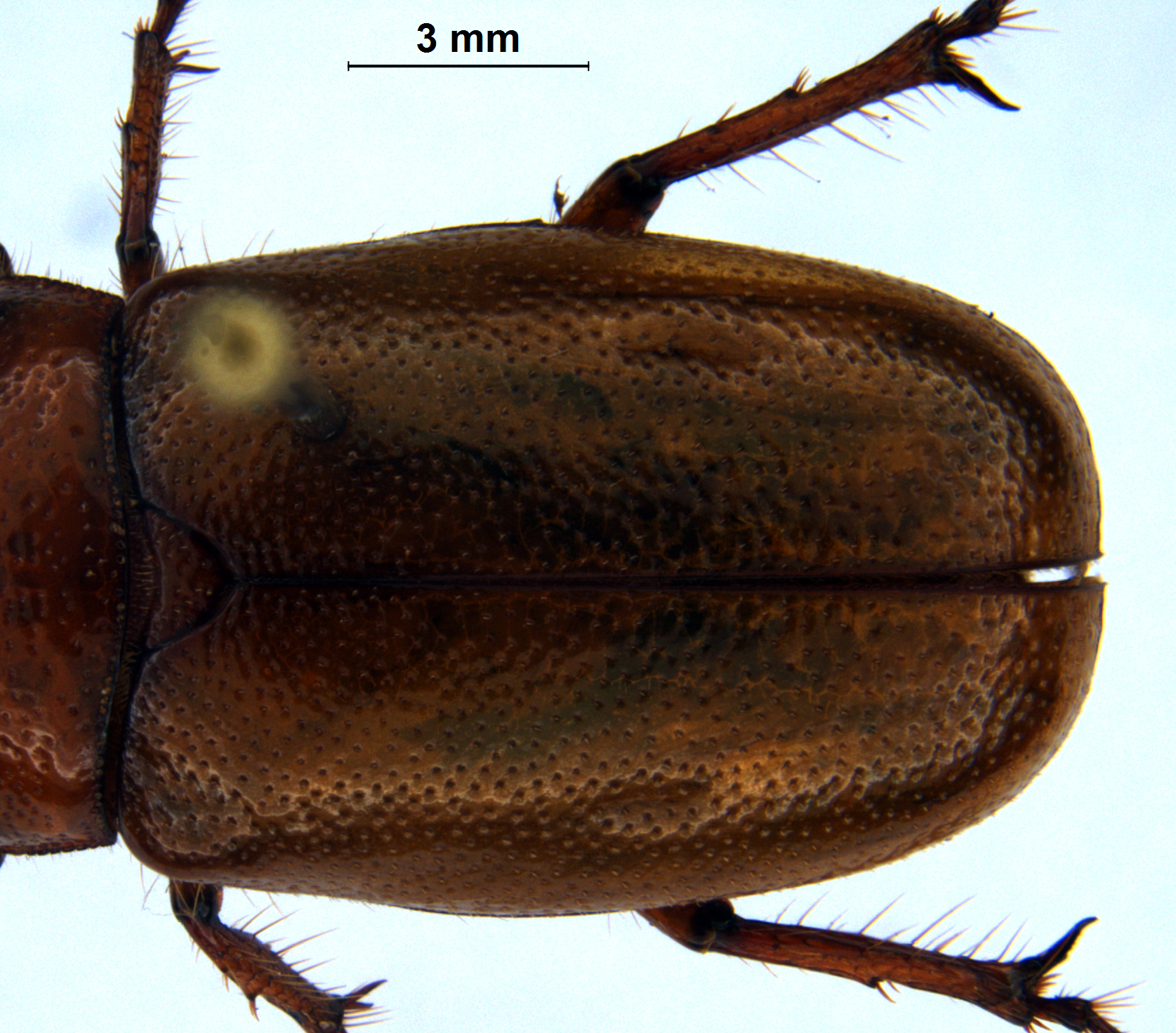
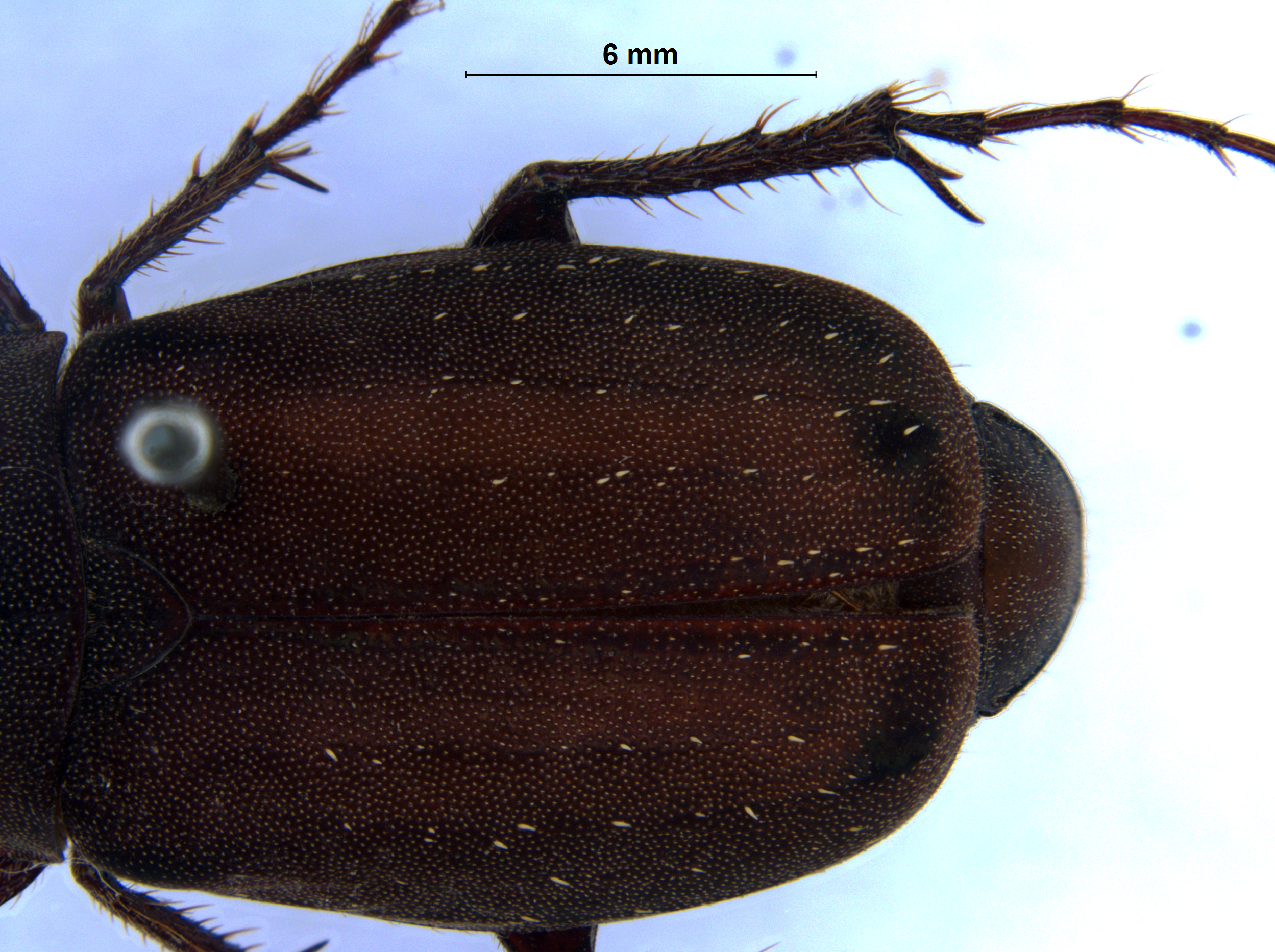
Fig.22a
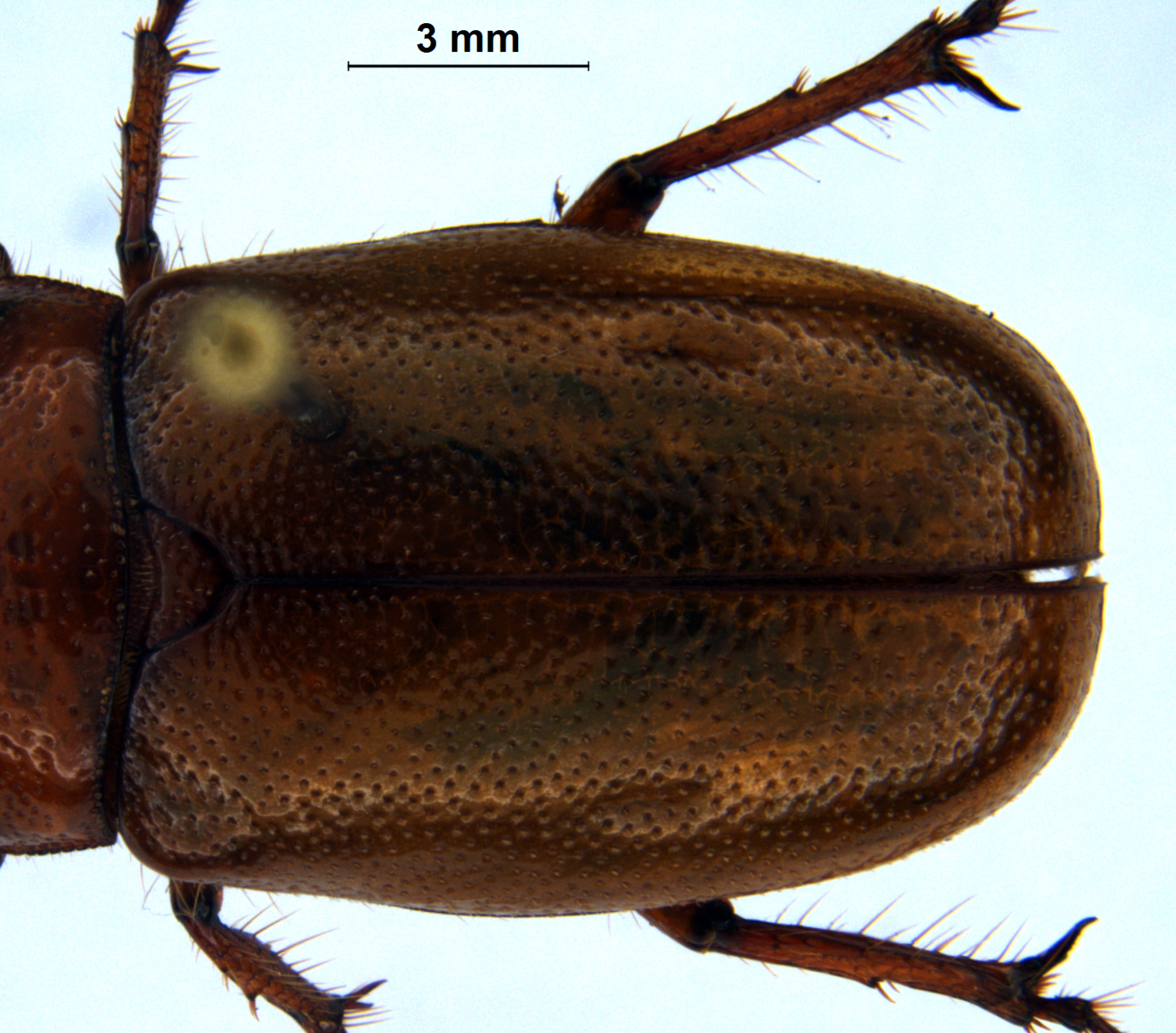
Fig.22b
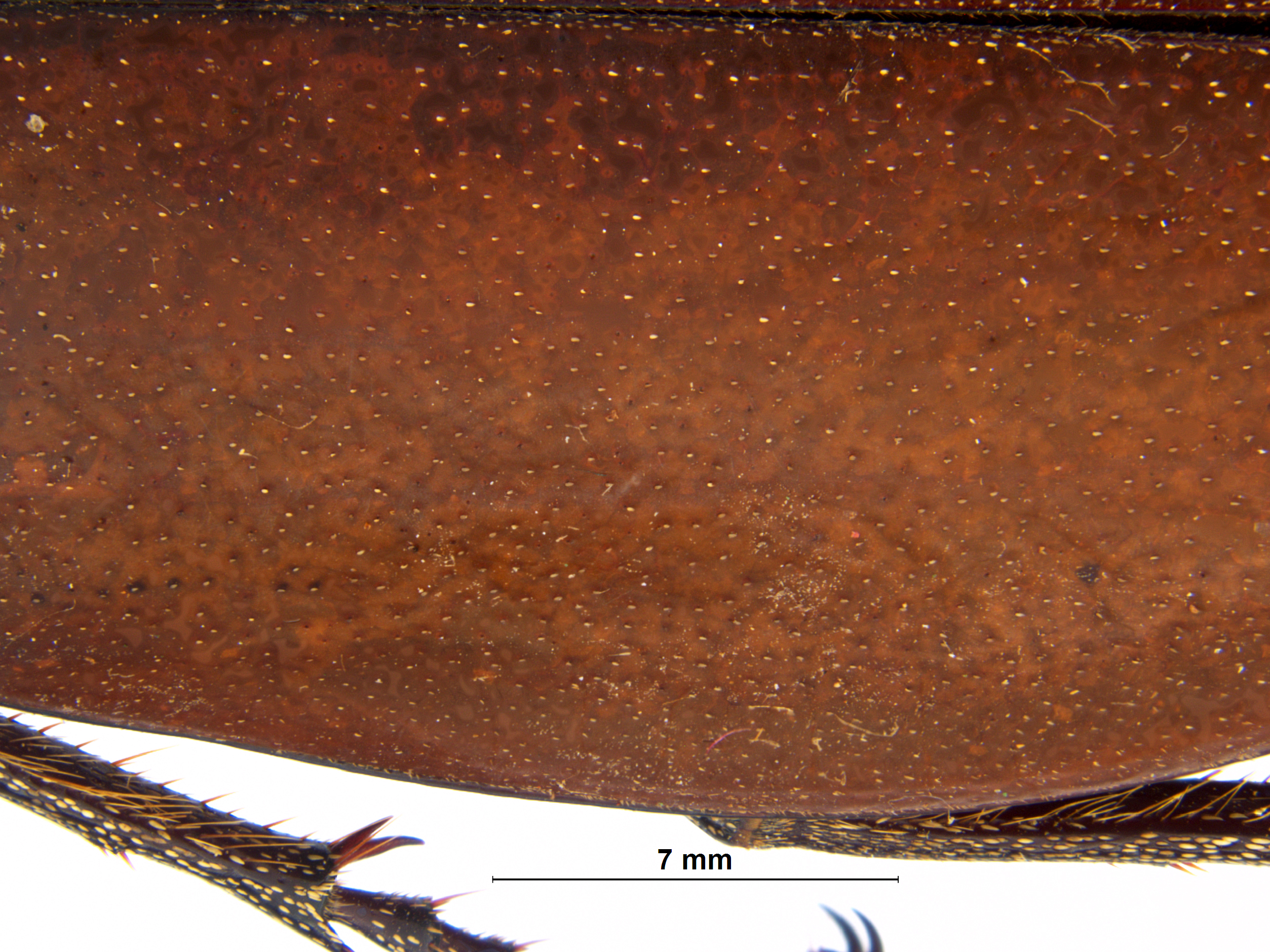
3.Body with scanty or sparse scales on elytra (Fig. 23a)……………..……..
Body with dense scales on elytra (Fig. 23b)…………………..………………………….…………..
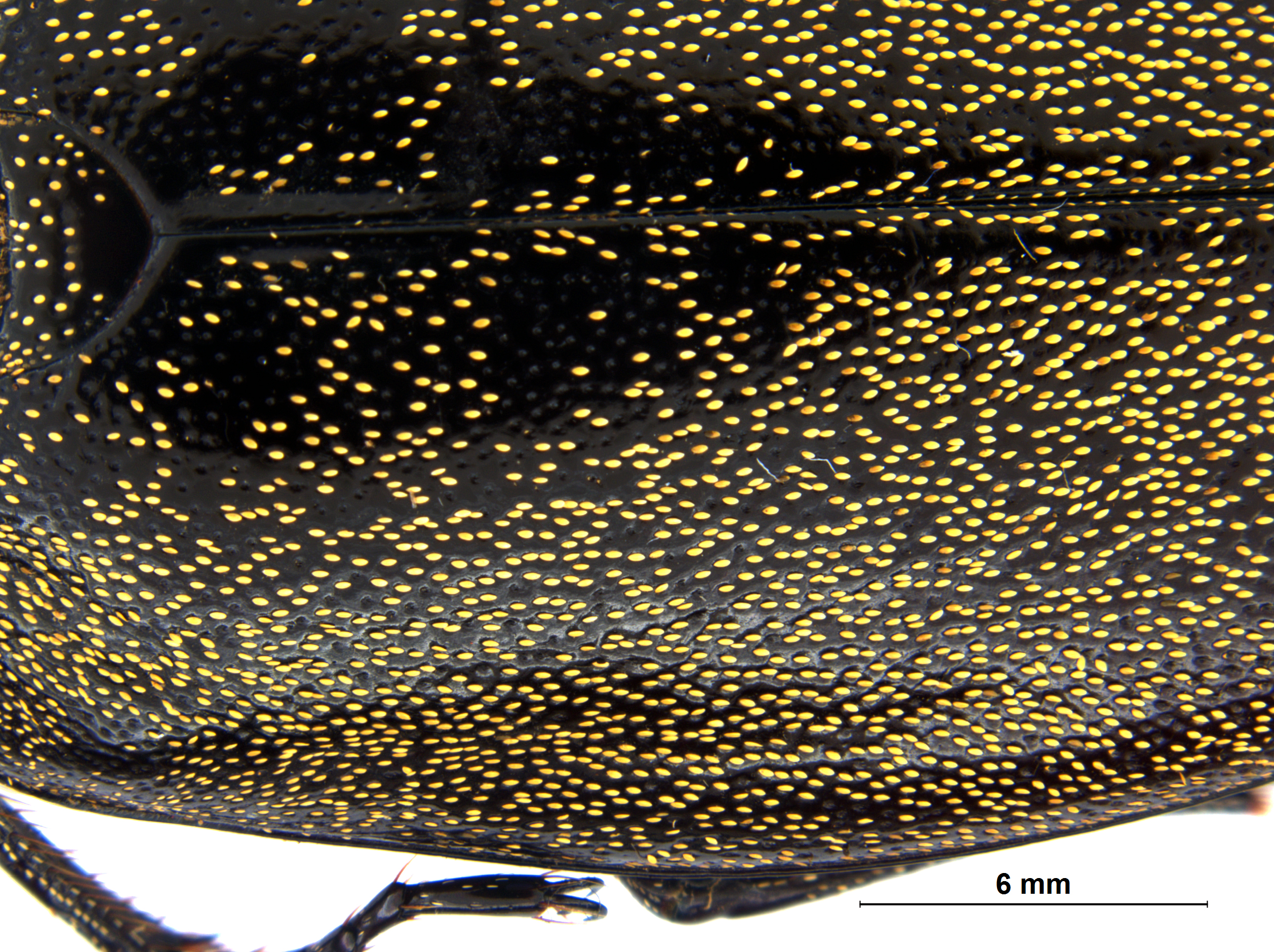
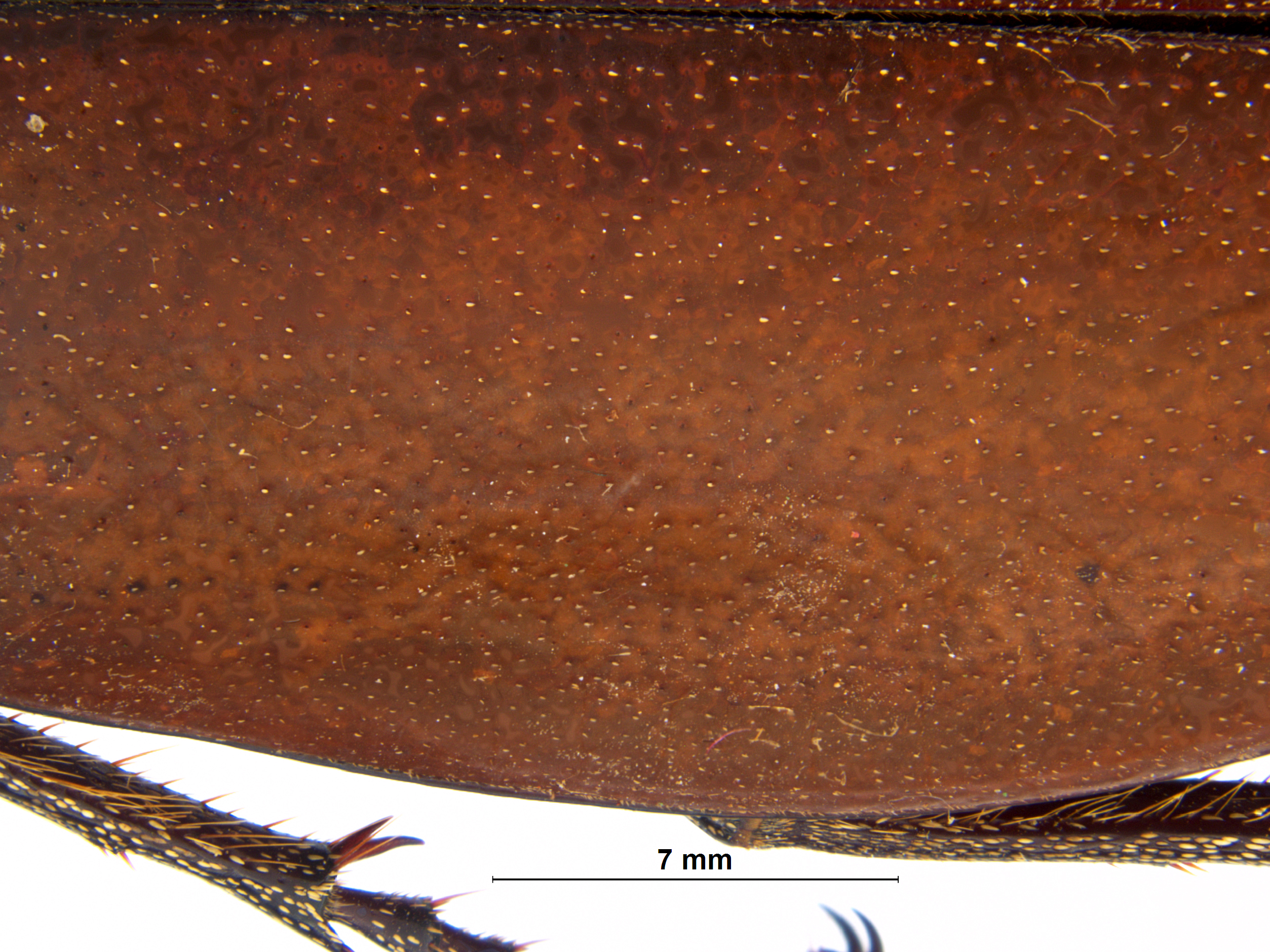
Fig.23a
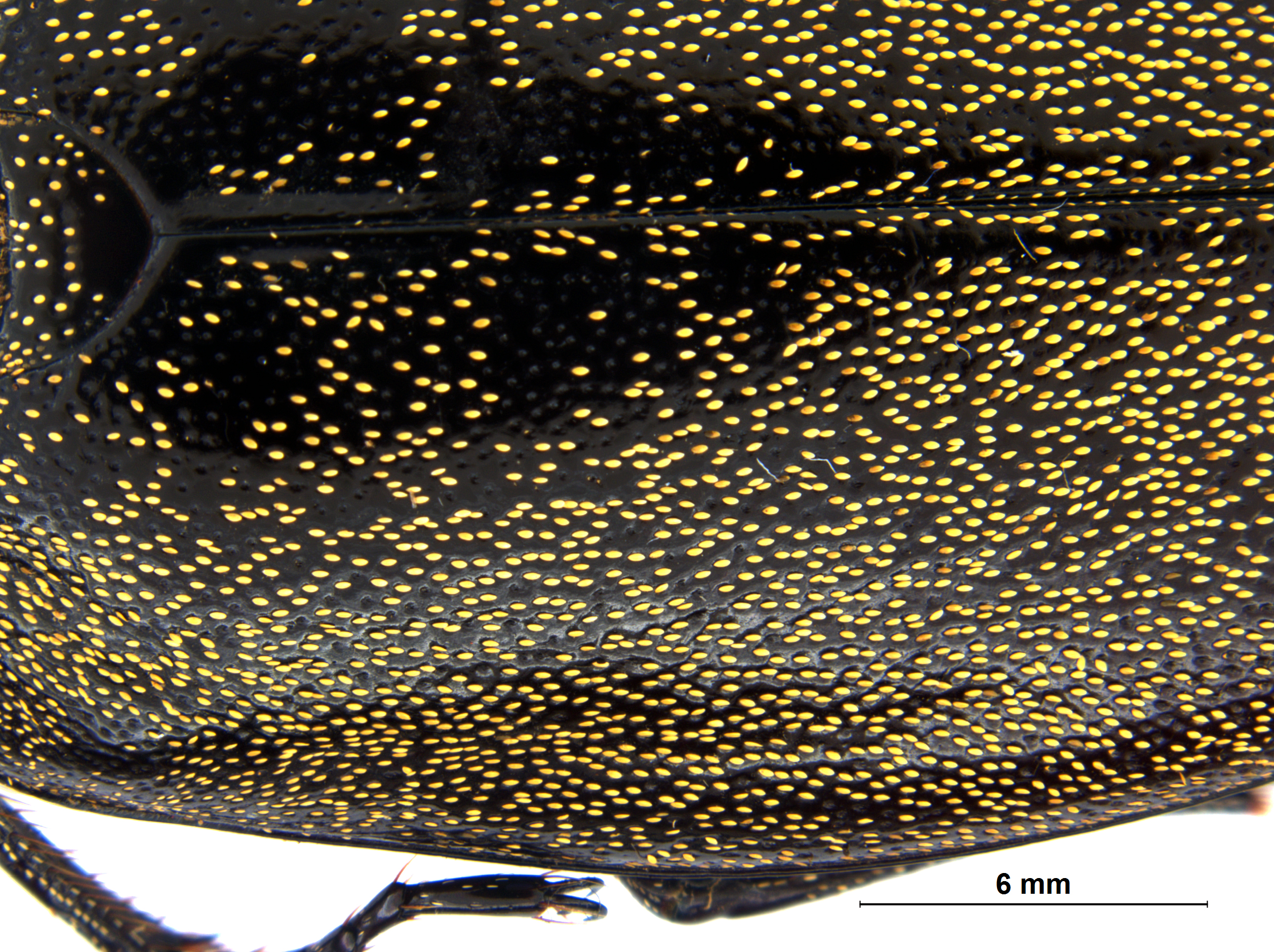
Fig.23b
4.Labrum strongly assymetrical (Fig. 24a) …………………
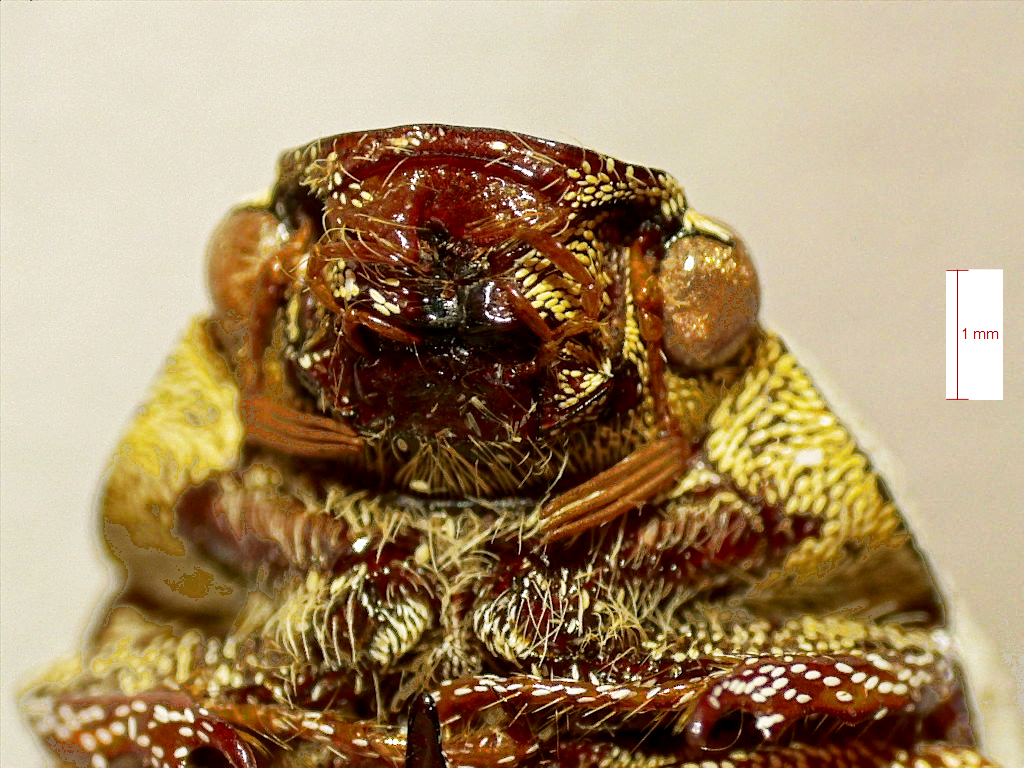
Labrum symmetrical (Fig. 24b) ………………………………………………….
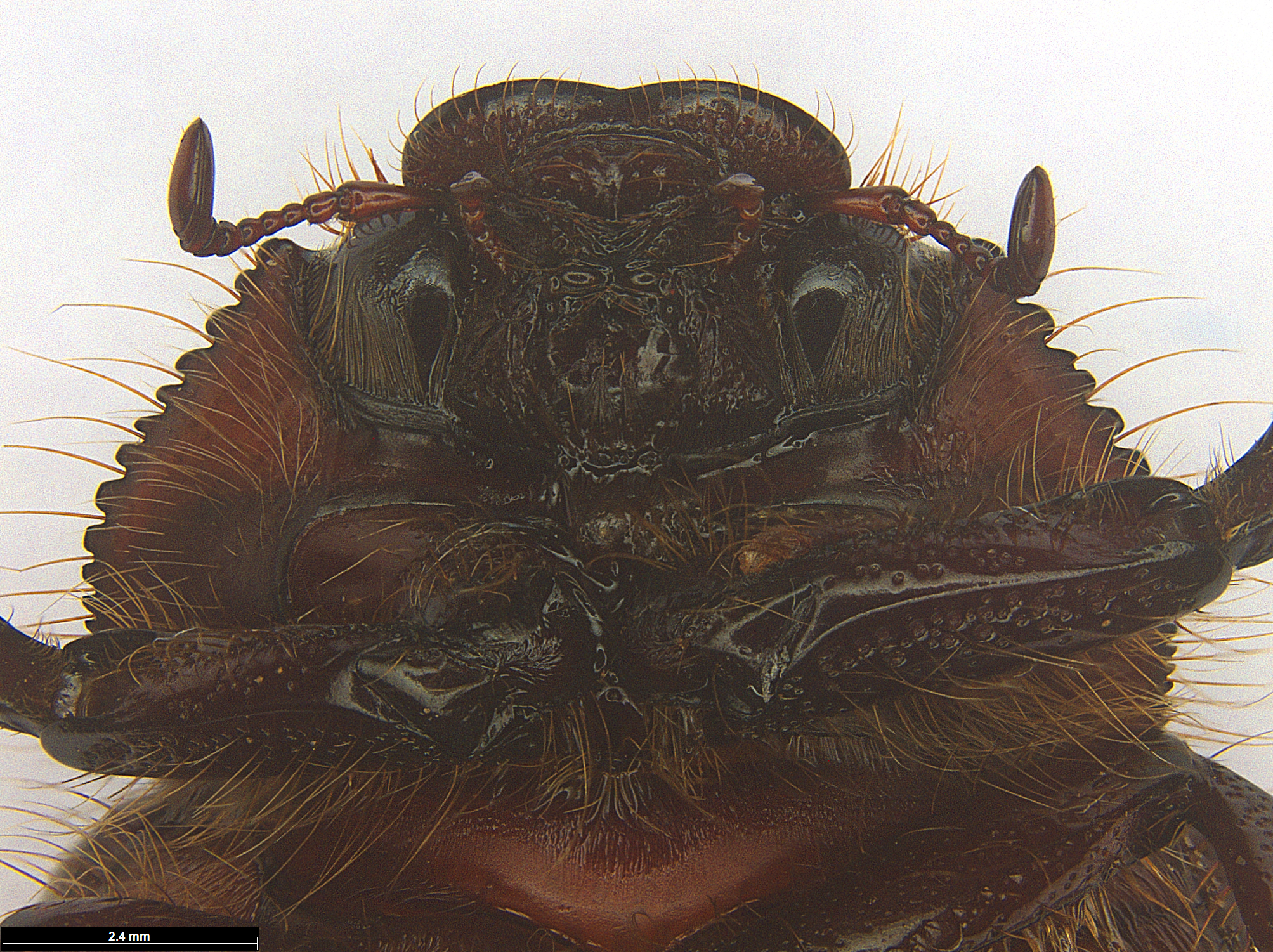
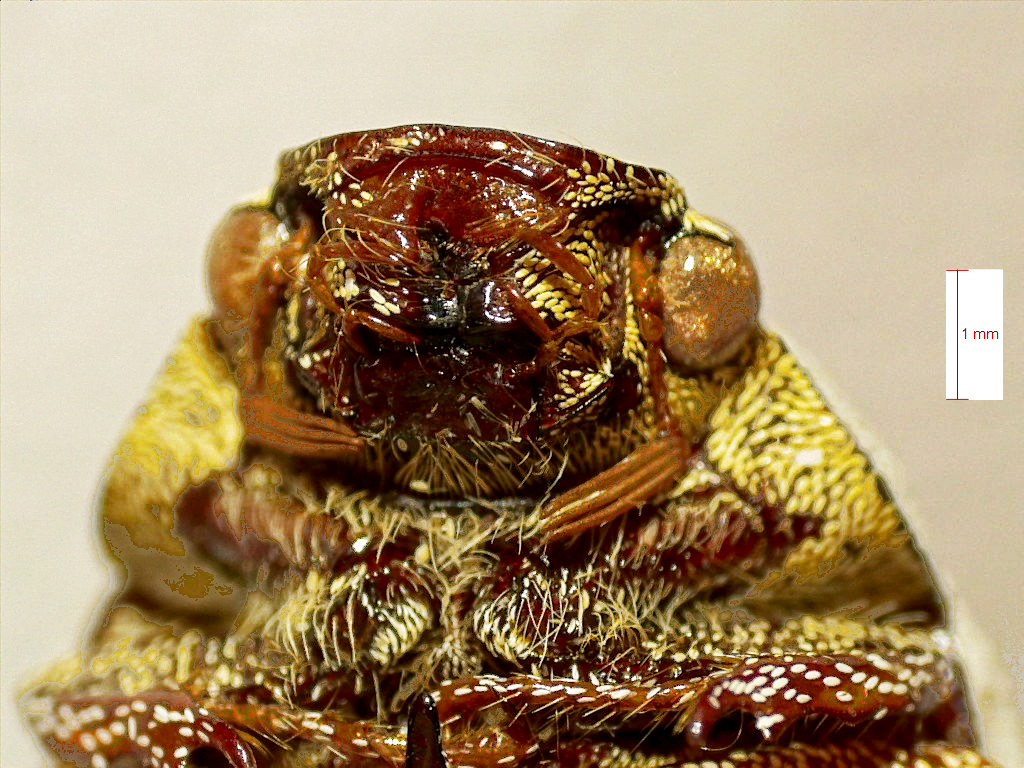
Fig.24a
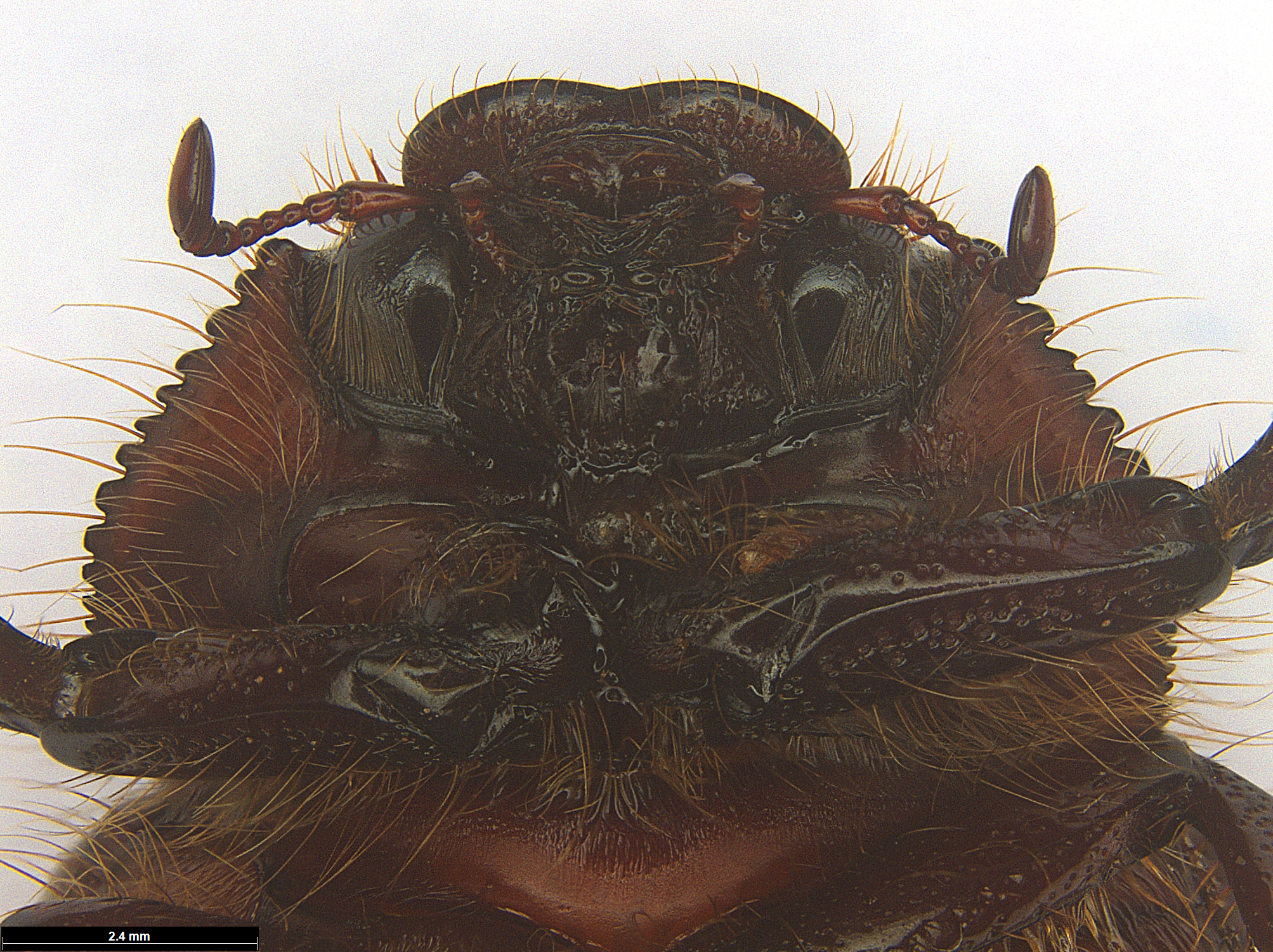
Fig.24b
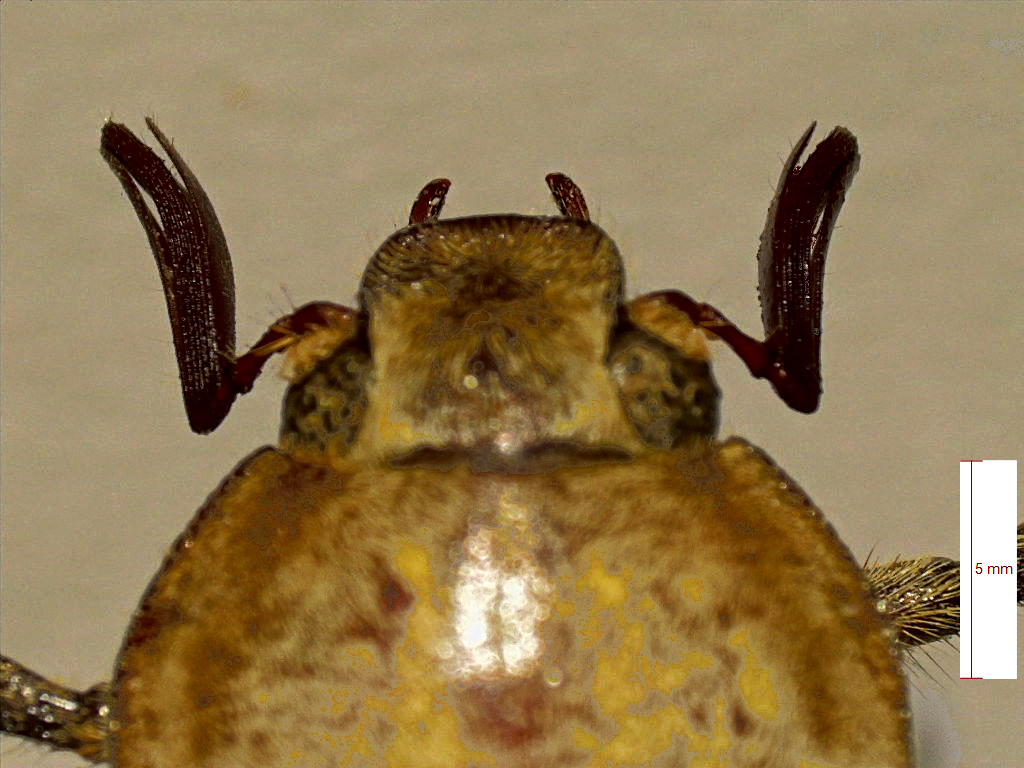
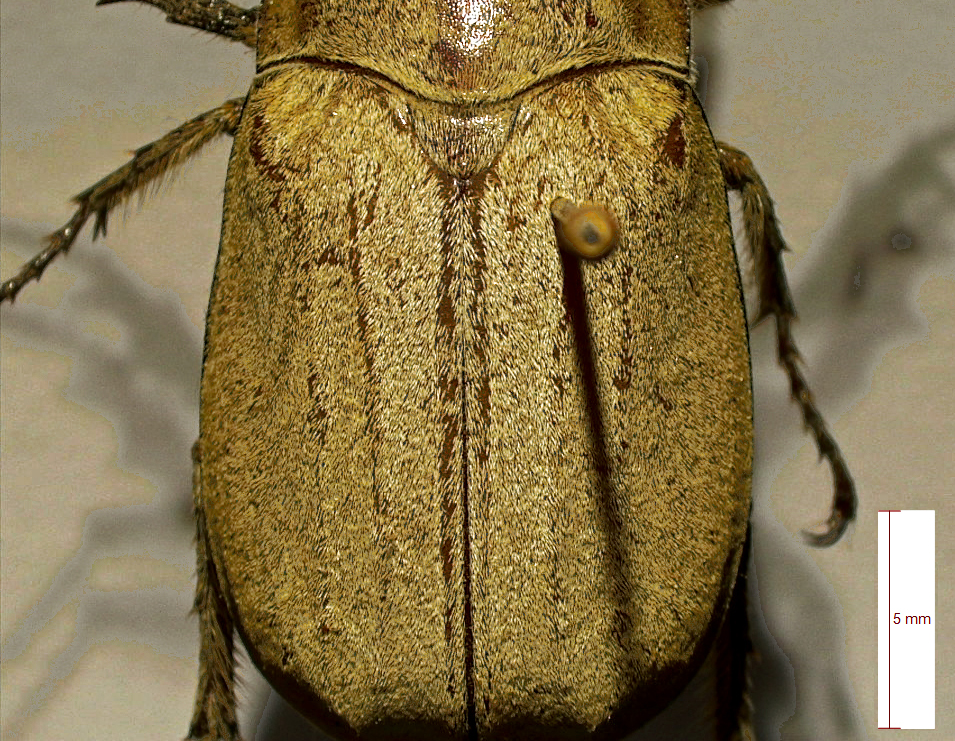
Antennal club 3 segmented (Fig. 25b) and elytra smooth without costa (Fig. 26b)………………………..……….
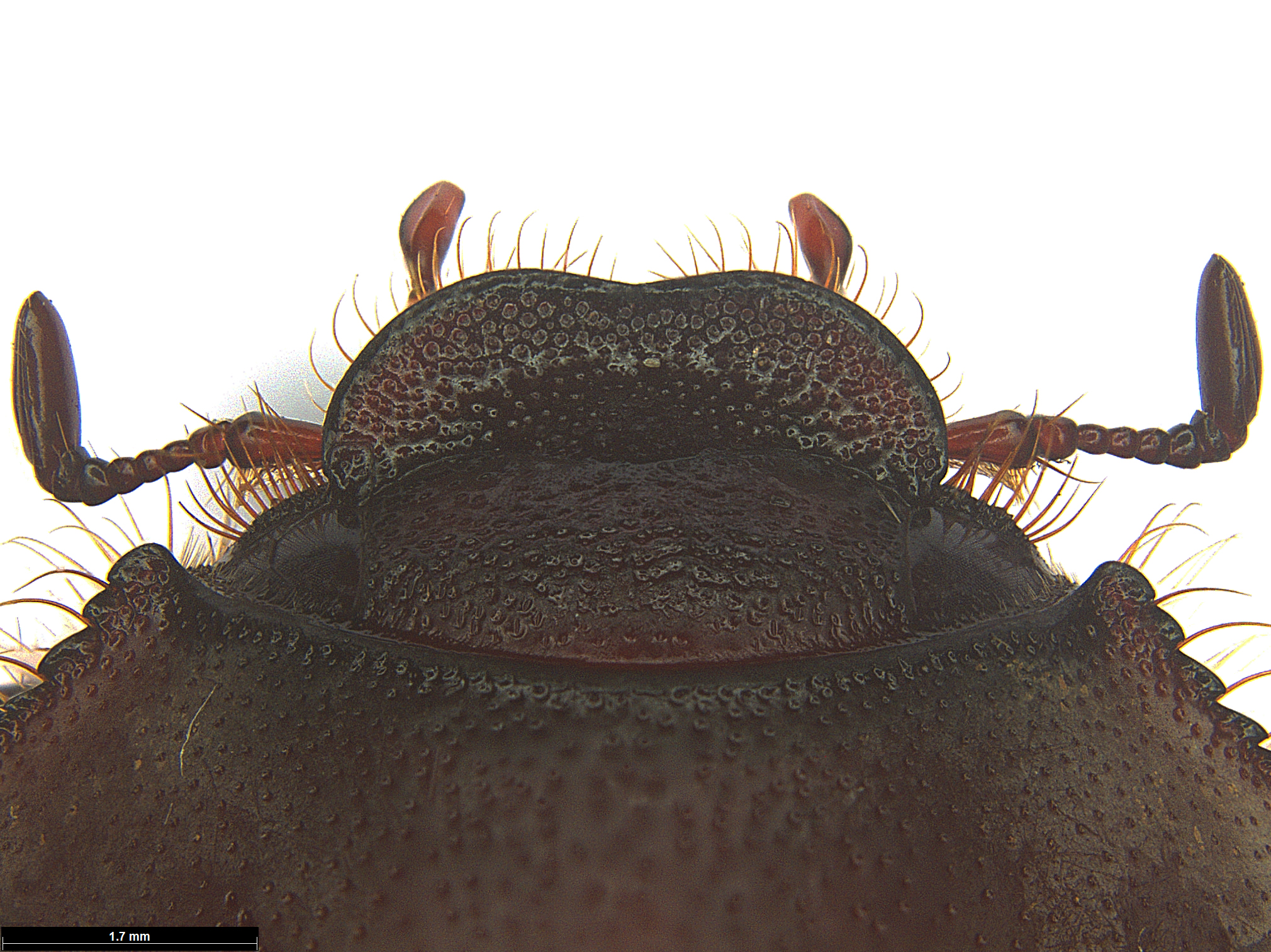
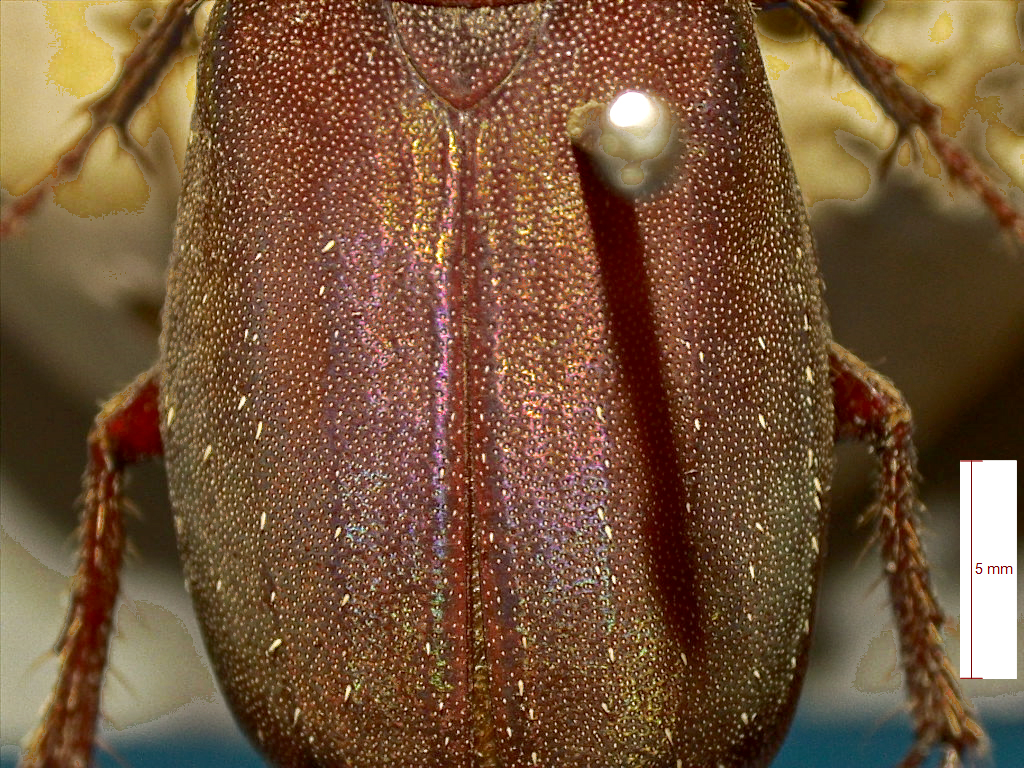
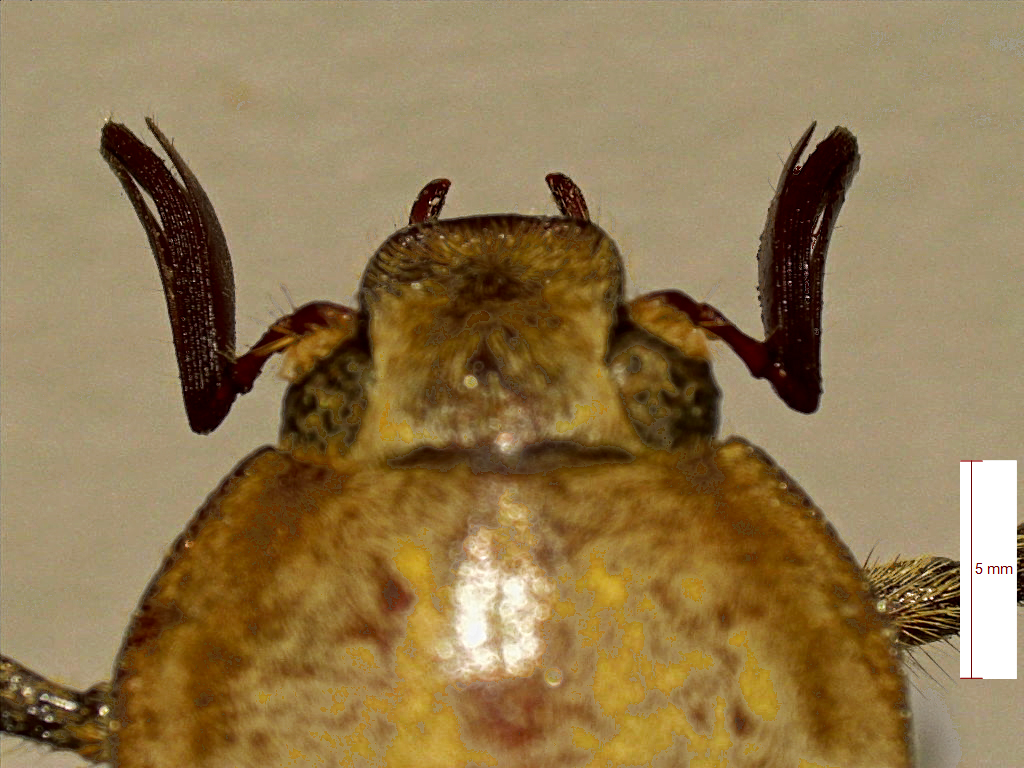
Fig.25a
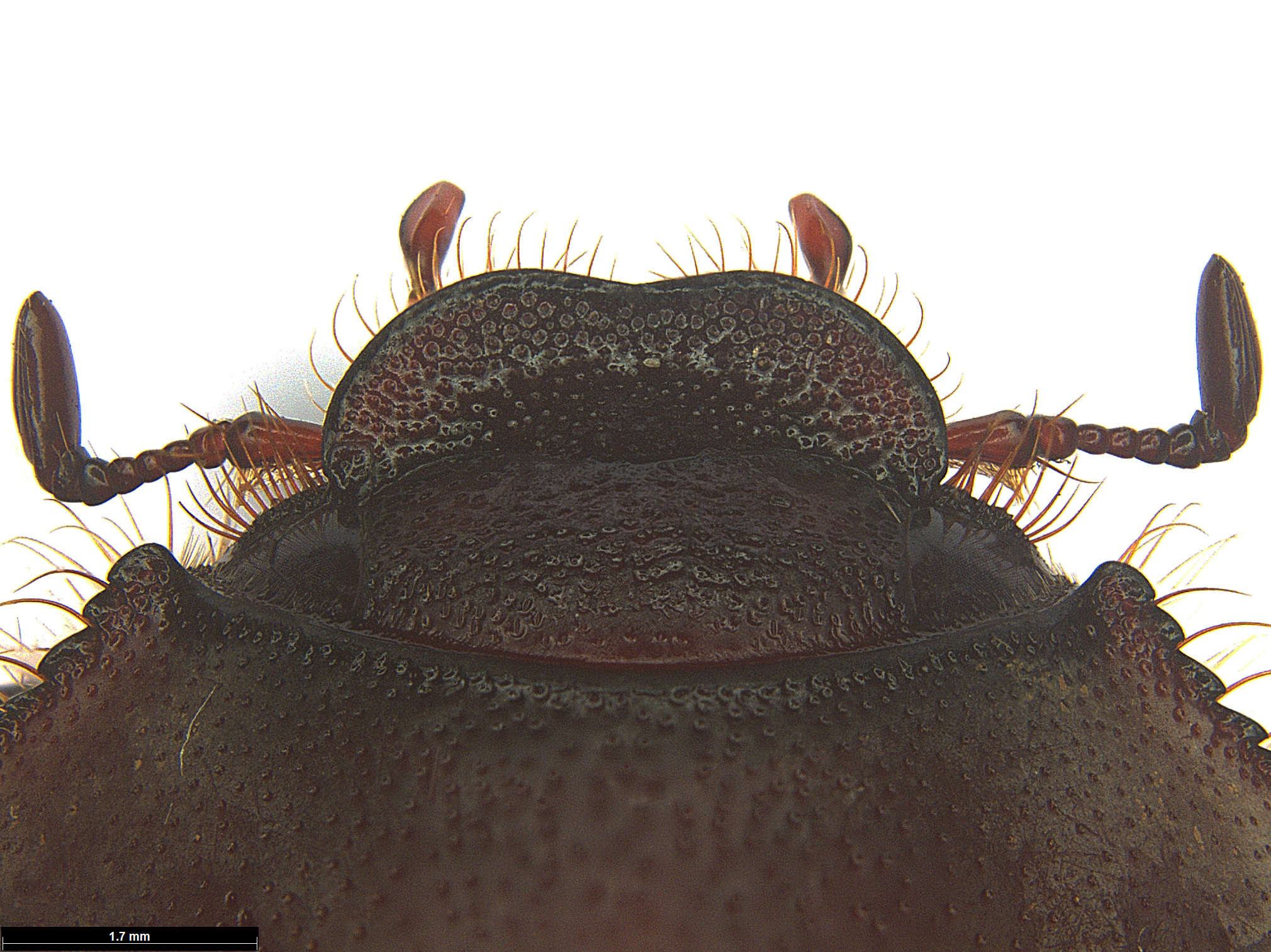
Fig.25b
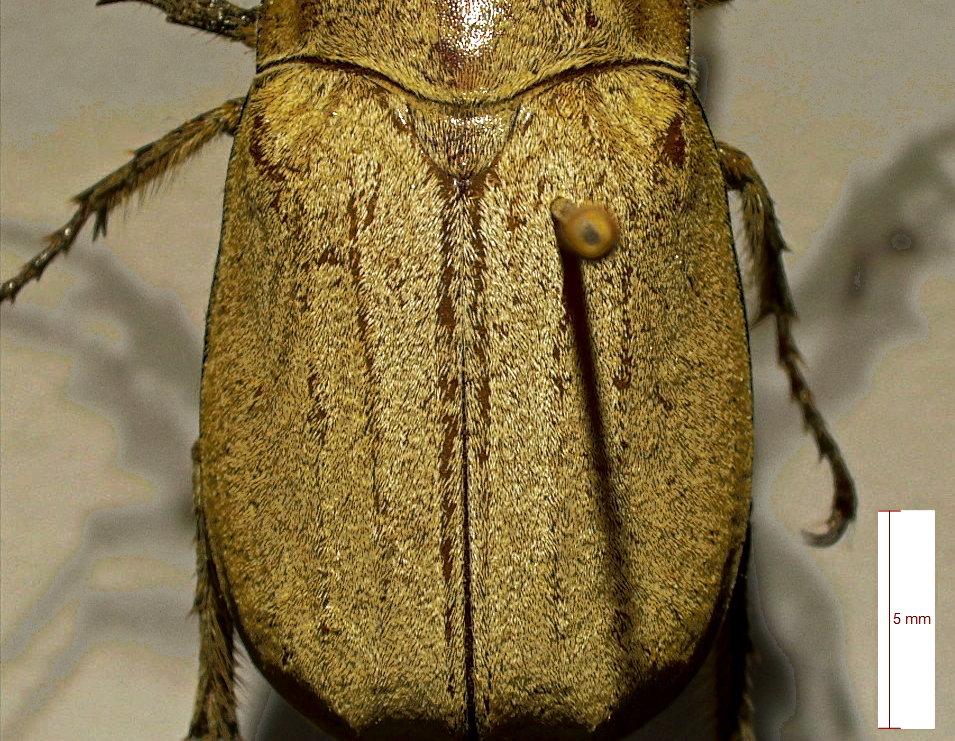
Fig.26a
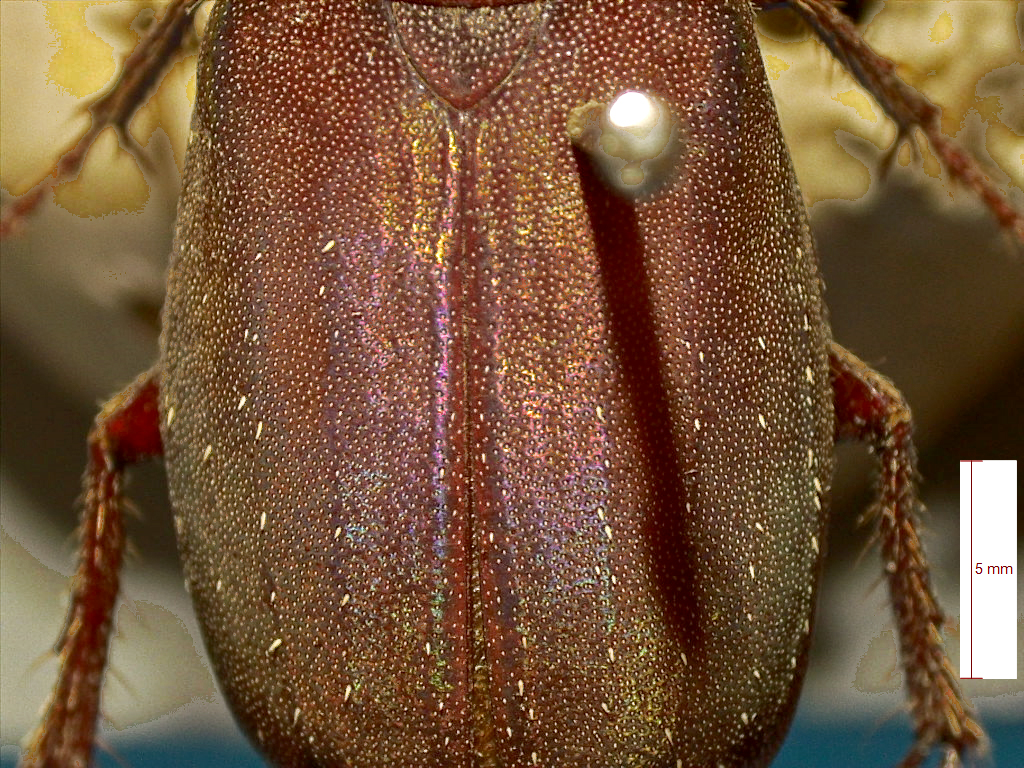
fig.26b
6.Body with dense scales on elytra and mesometa sternal process present (Fig. 27a)…………………….……………………………………………..
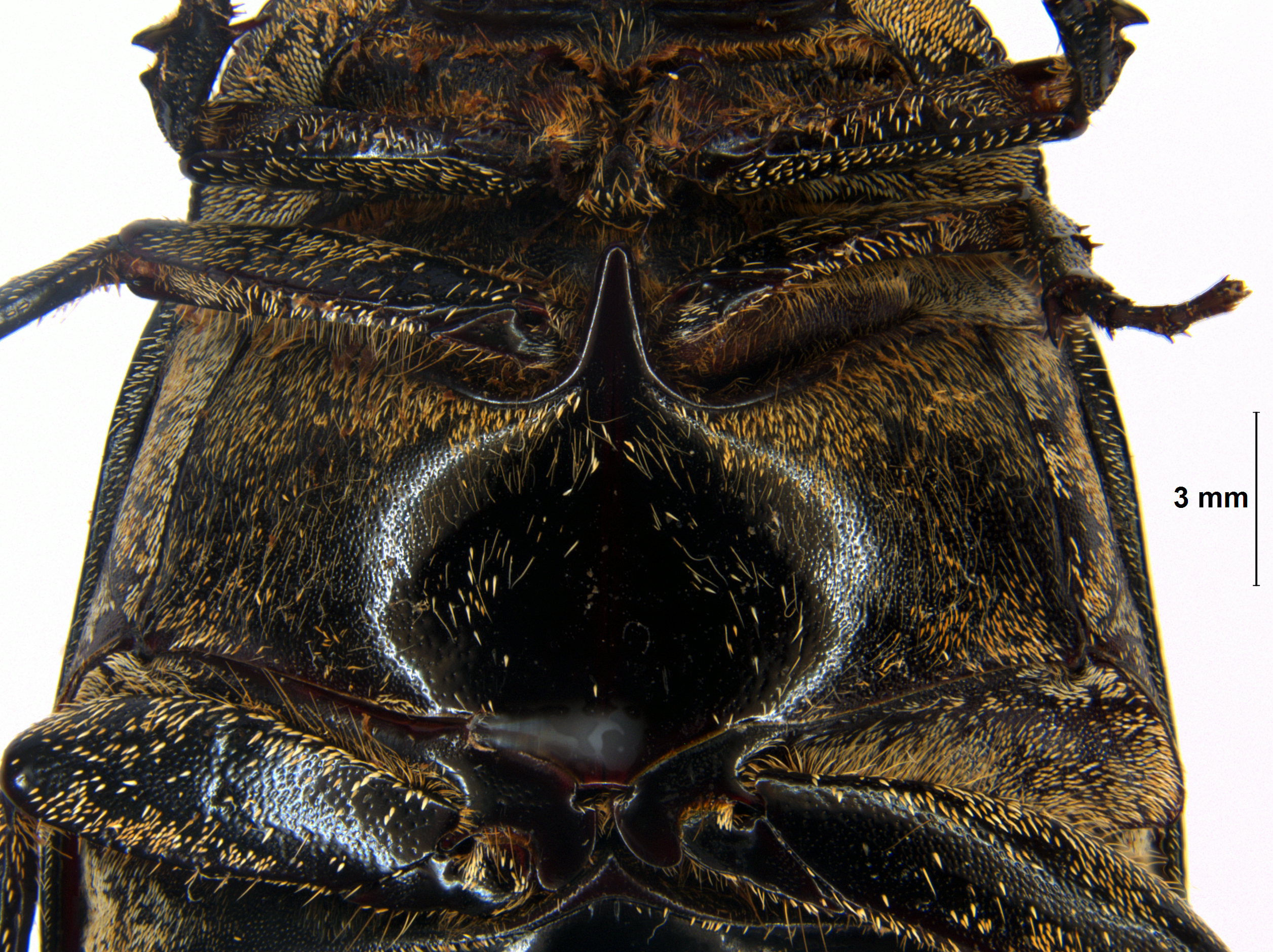
Body with sparse scales, small yellow scales interspersed with long conical yellow setea on elytra; mesometa sternal process absent (Fig. 27b)………………………………..
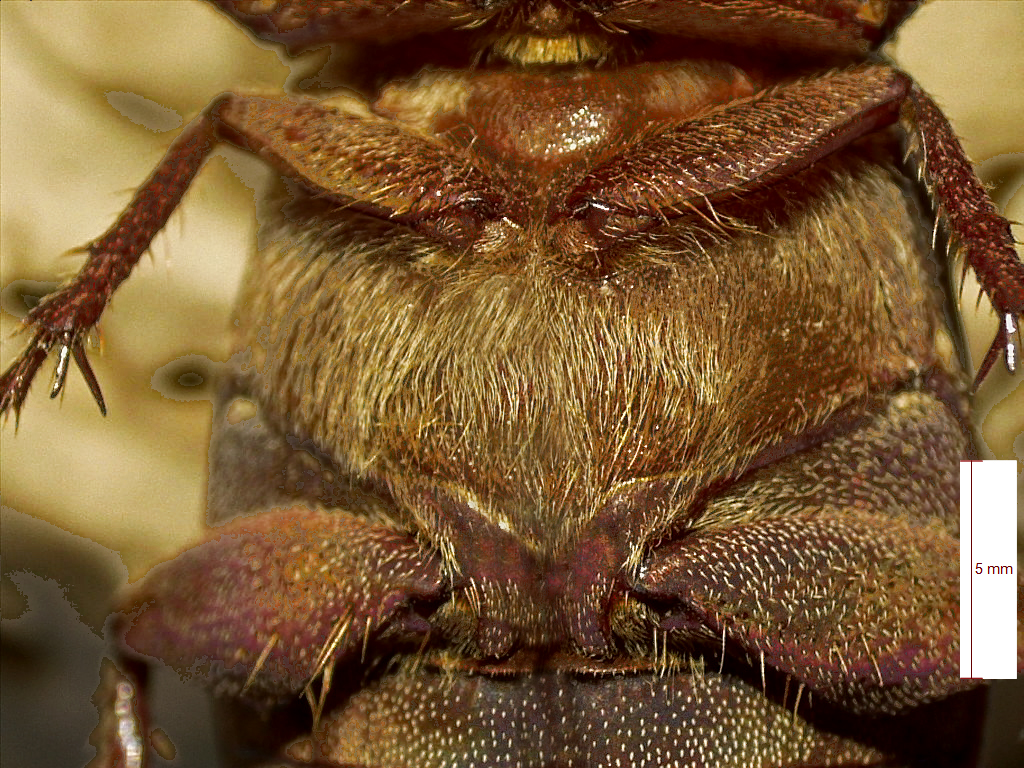
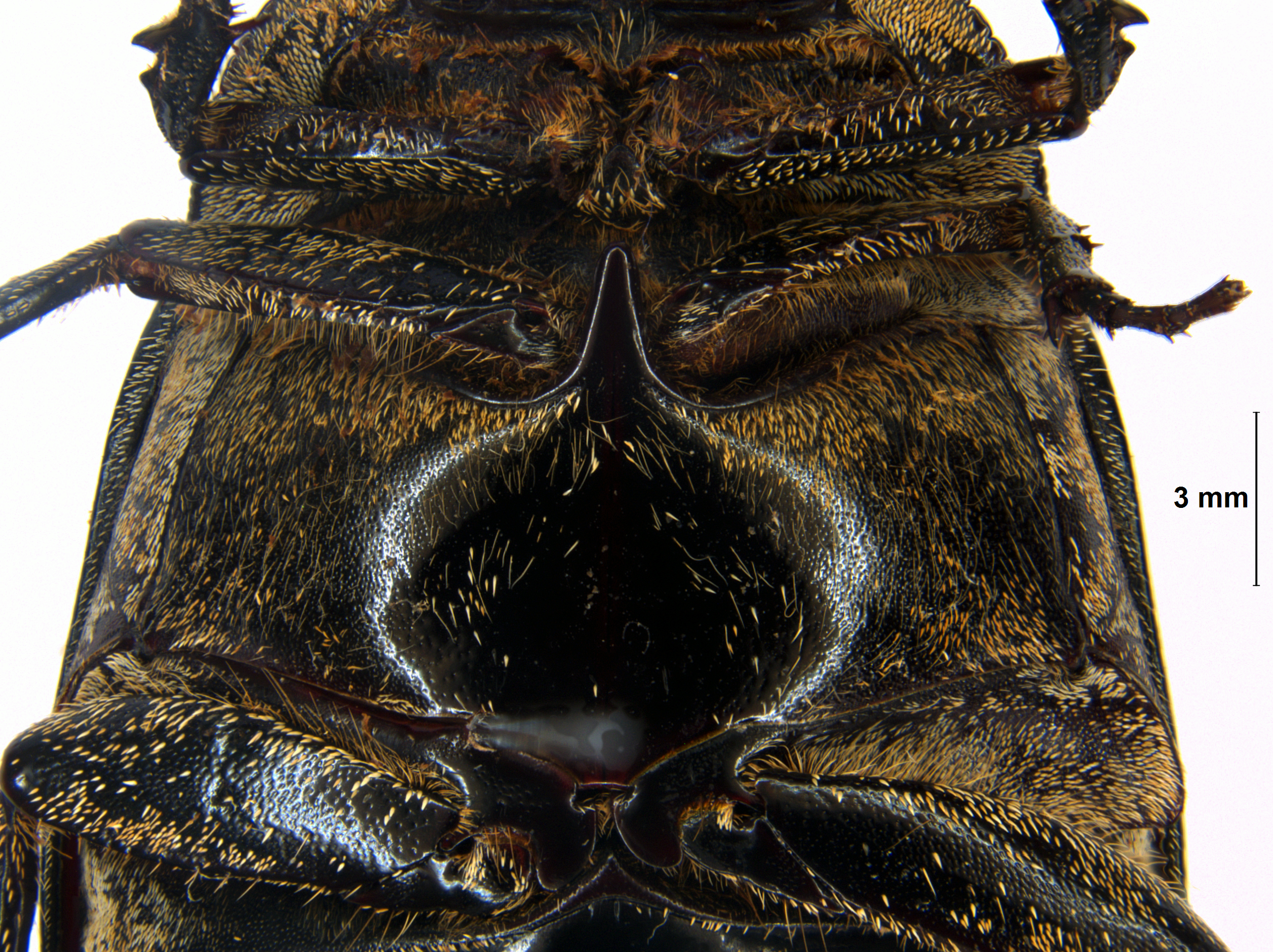
Fig.27a
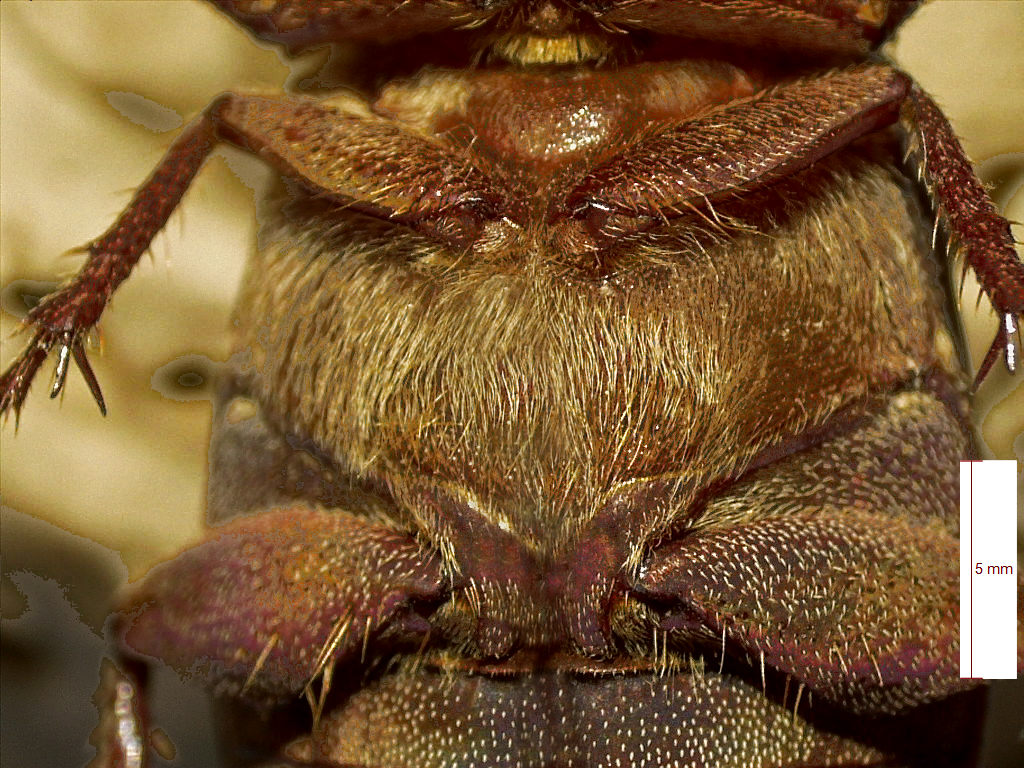
Fig.27b
7.Tarsal claws dentate (Fig. 28a) ………………………………………….…………
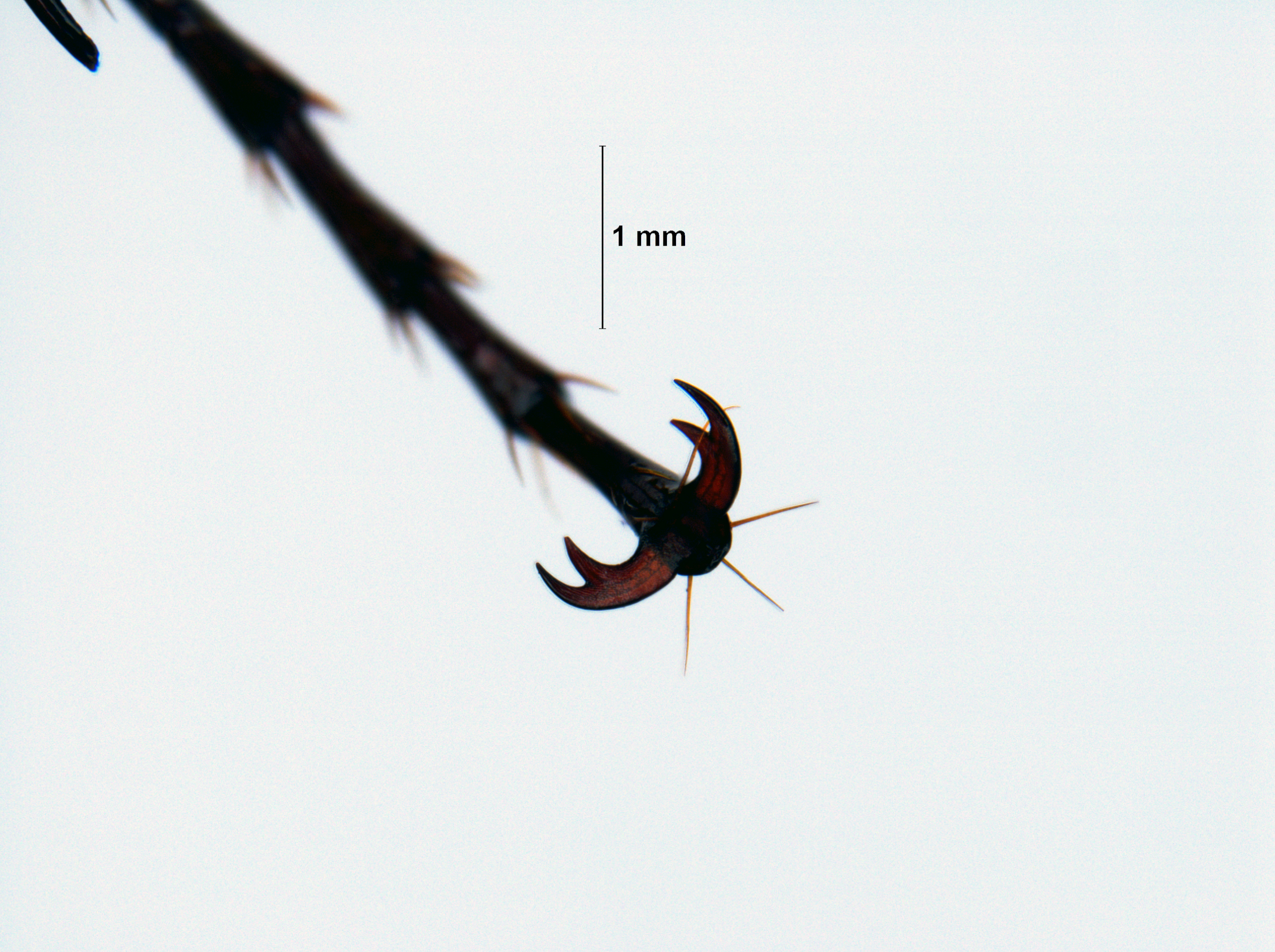
Tarsal claws clefted (Fig. 28b) ……………………………………………...…………………..….....
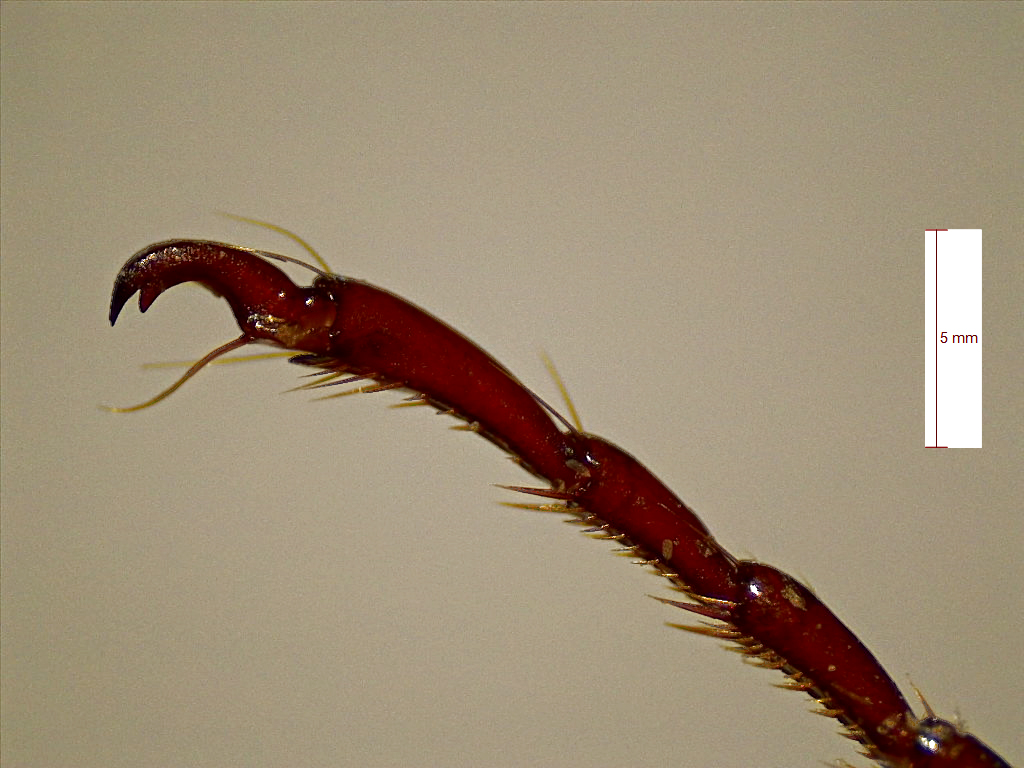
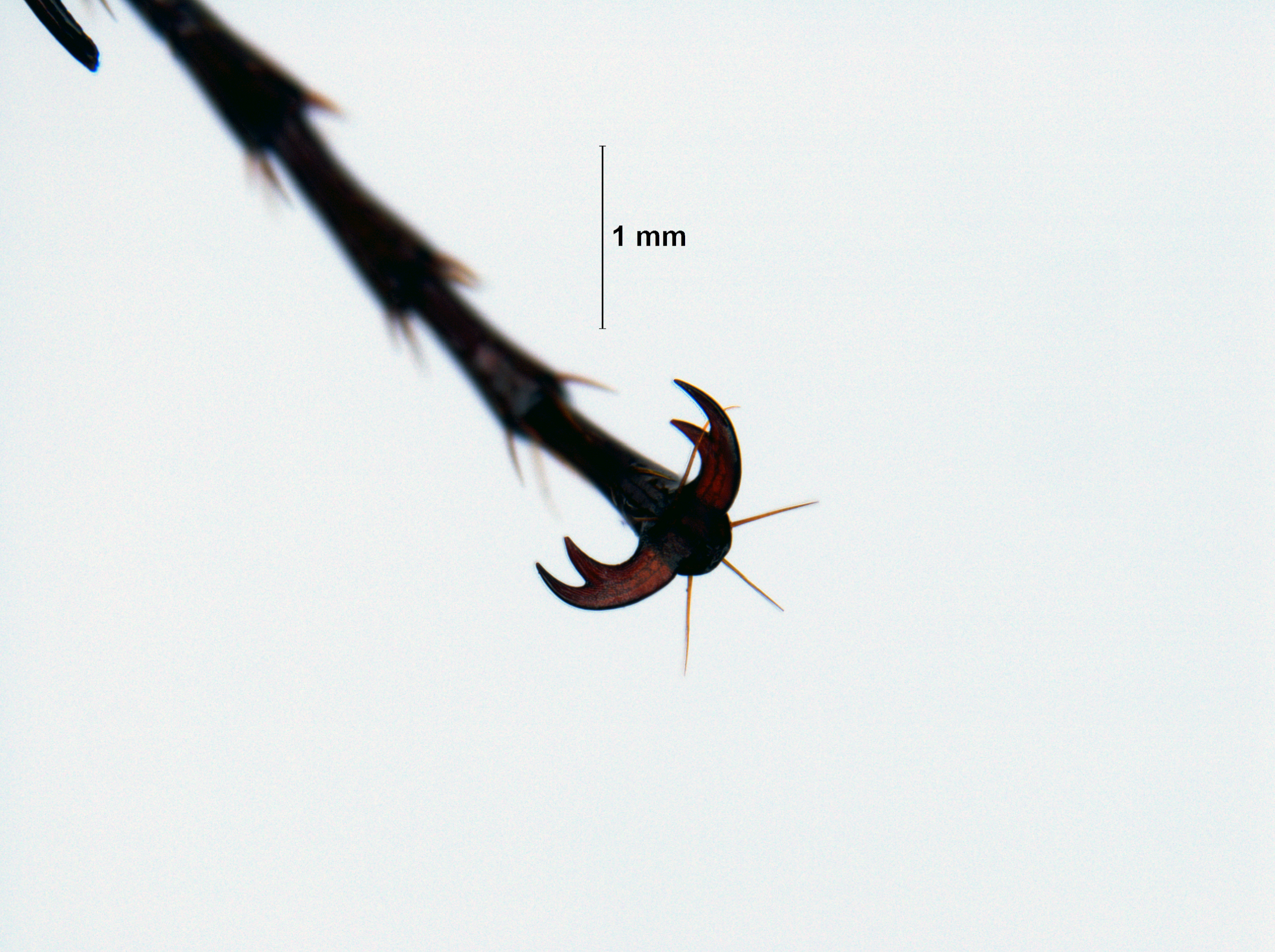
Fig.28a
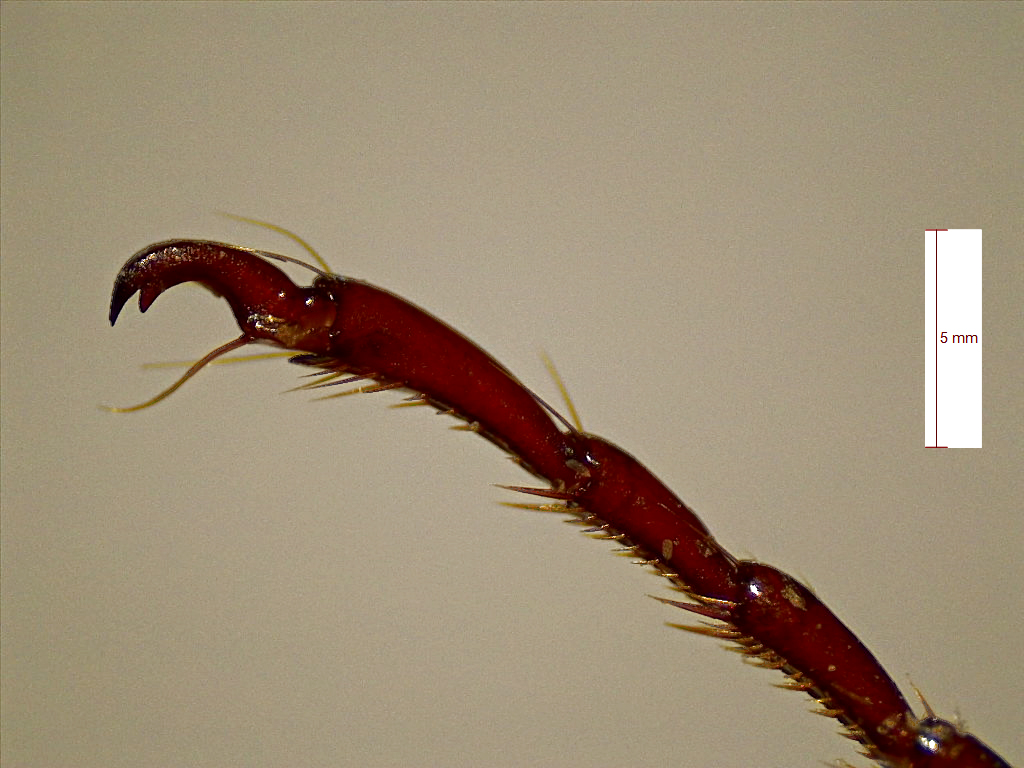
Fig.28b
8.Pronotum, scutellum and head dark coloured (Fig. 29a)……………………………………………..
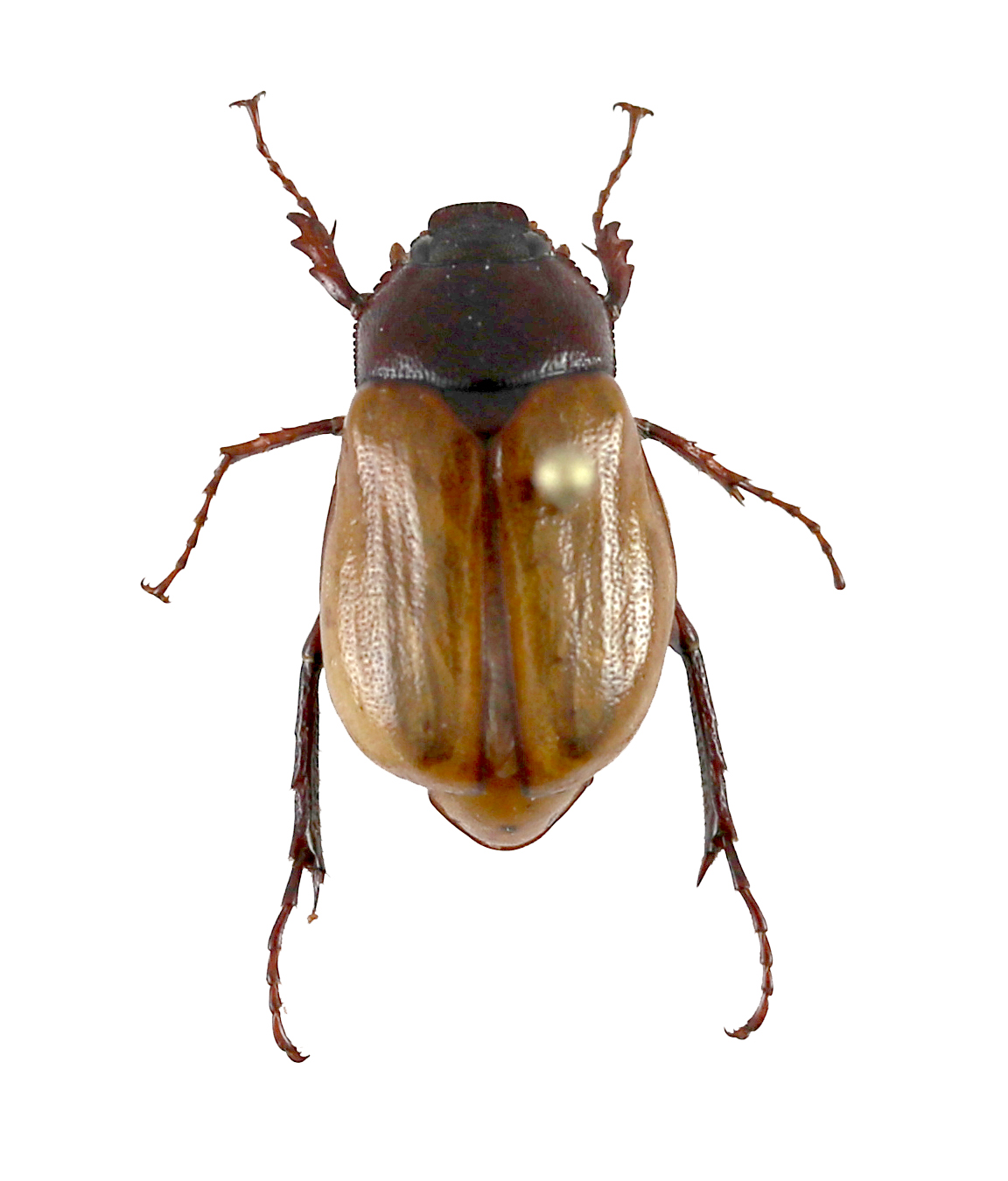
Body uniformly coloured (Fig. 29b)……………………………..……………………………………
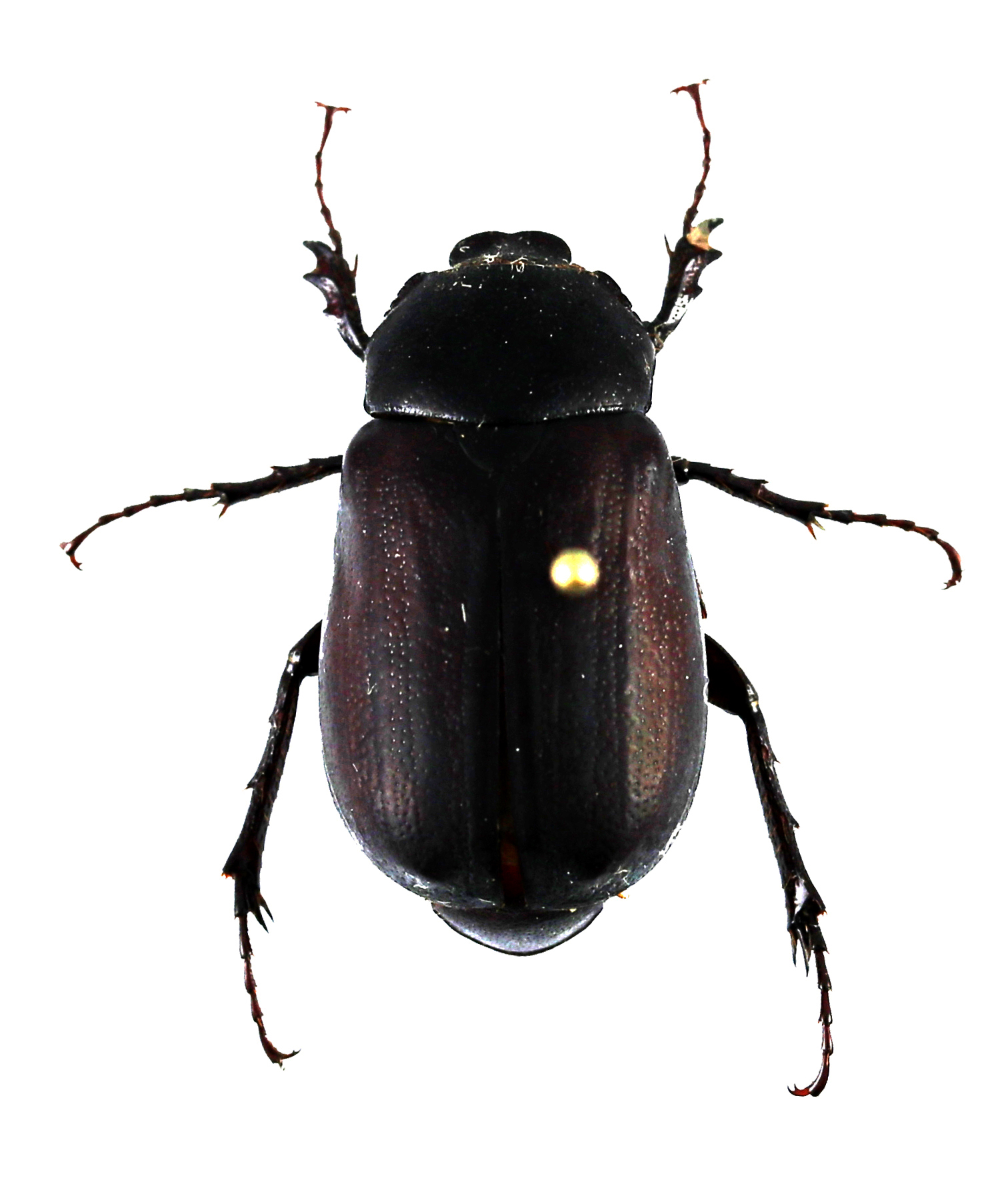
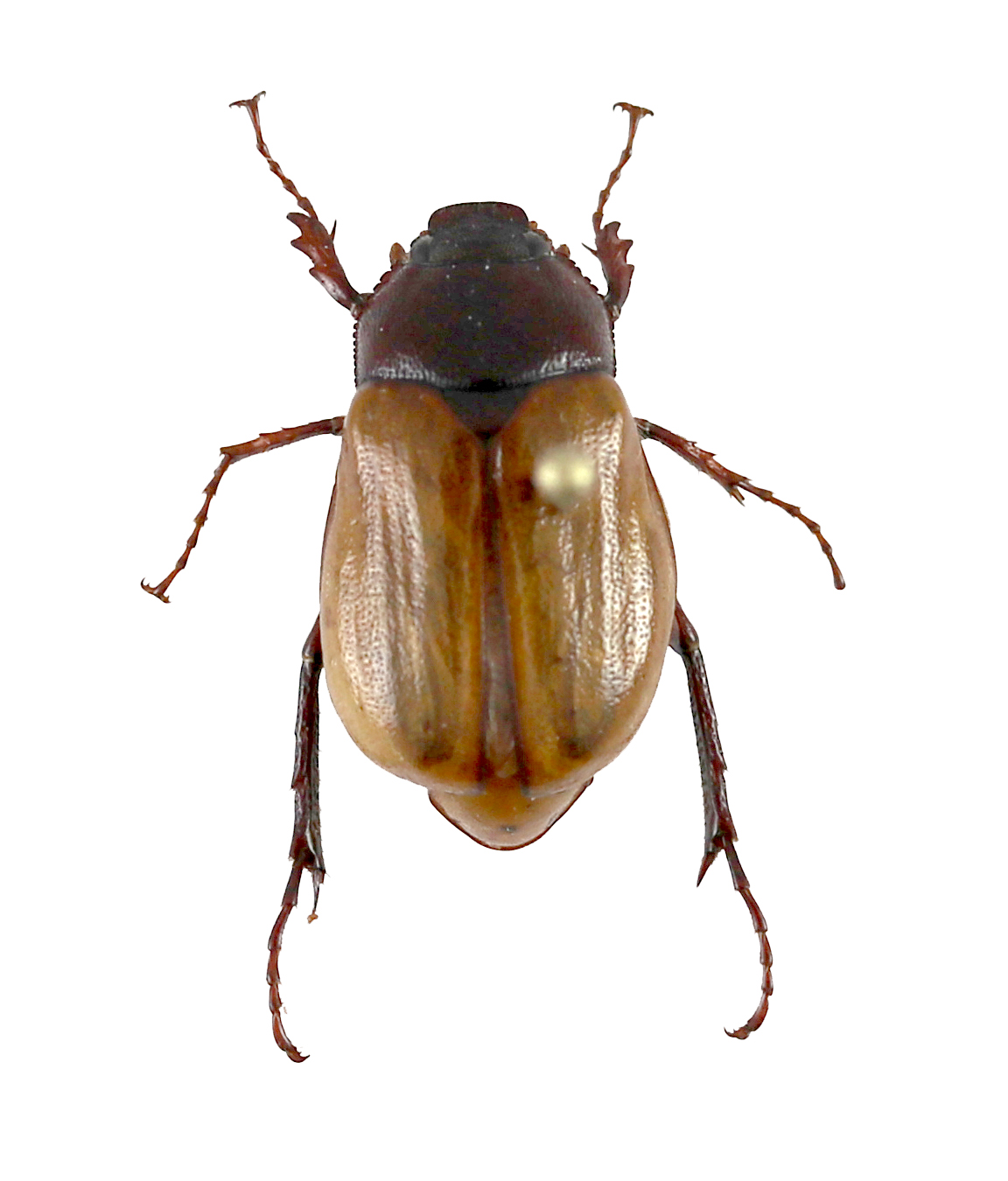
Fig.29a
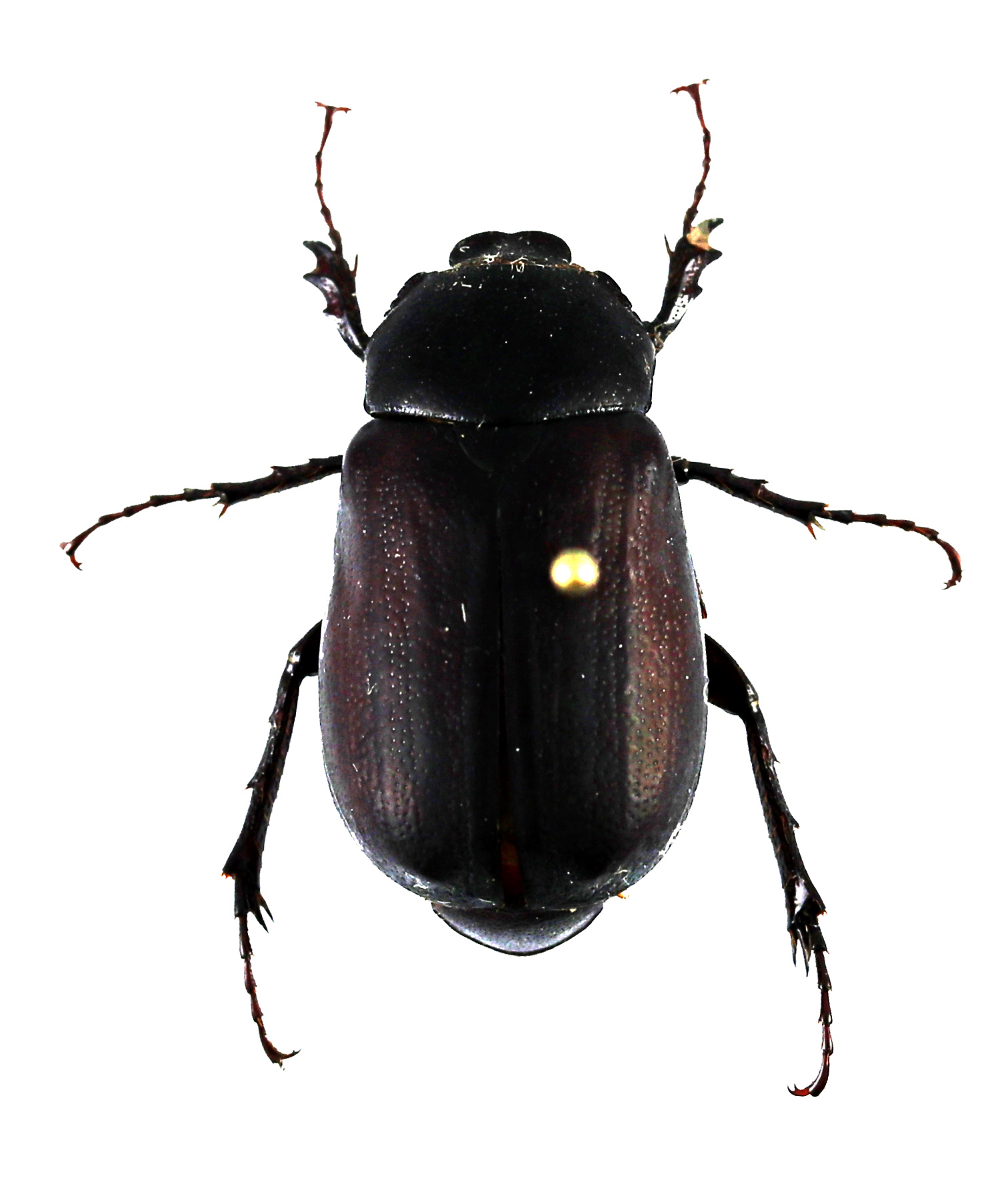
Fig.29b
9.Terminal segment of maxillary palpi flattened medially (Fig. 30a), elongated cylindrical shaped, all the claws clefted in male, dentate in female……………………………...……………
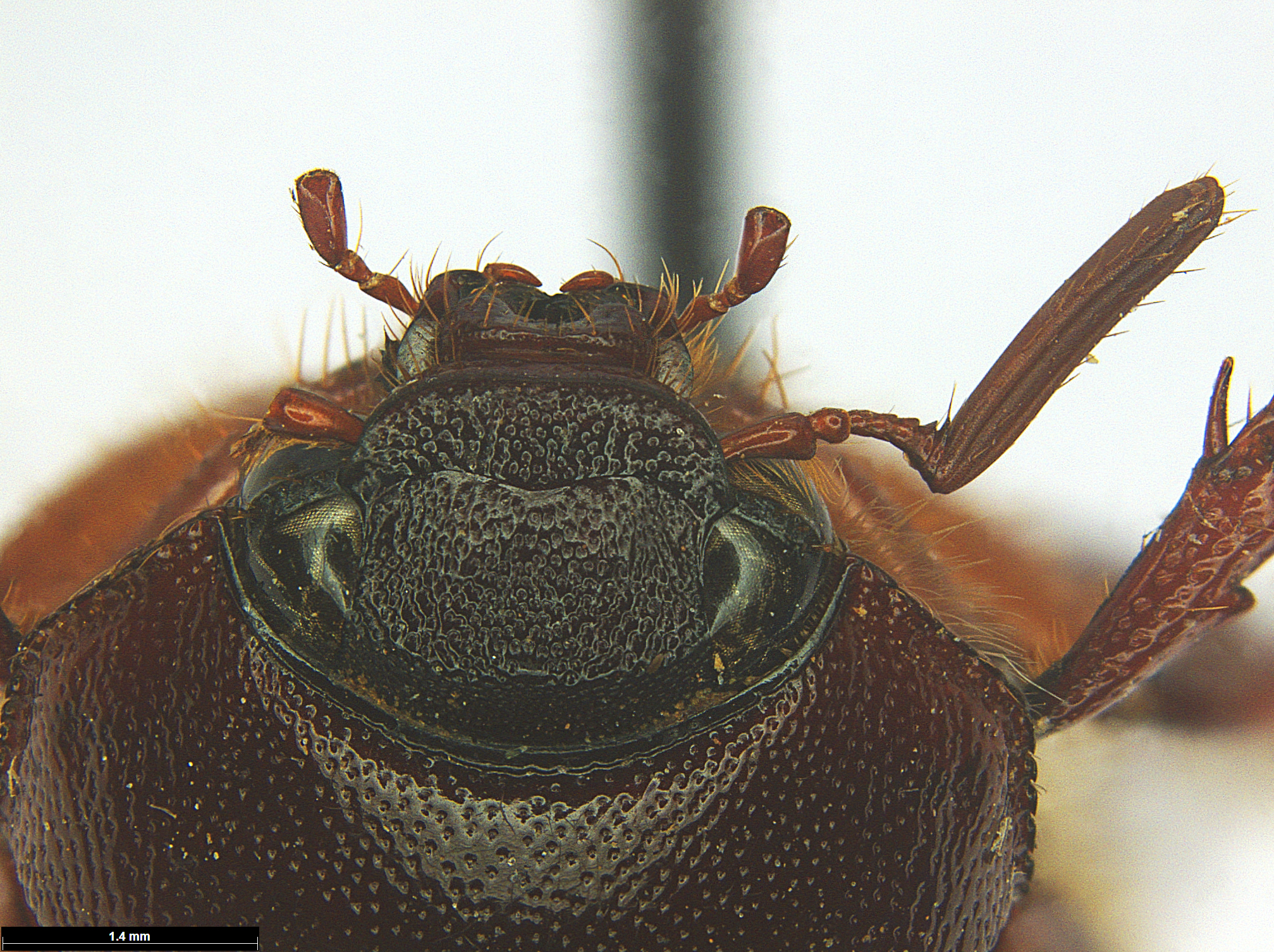
Terminal segment of maxillary palp not flattened medially, not elongated and conical shaped (Fig. 30b), inner claw of metatarsi clefted, outer claw toothed in both sexes……………….
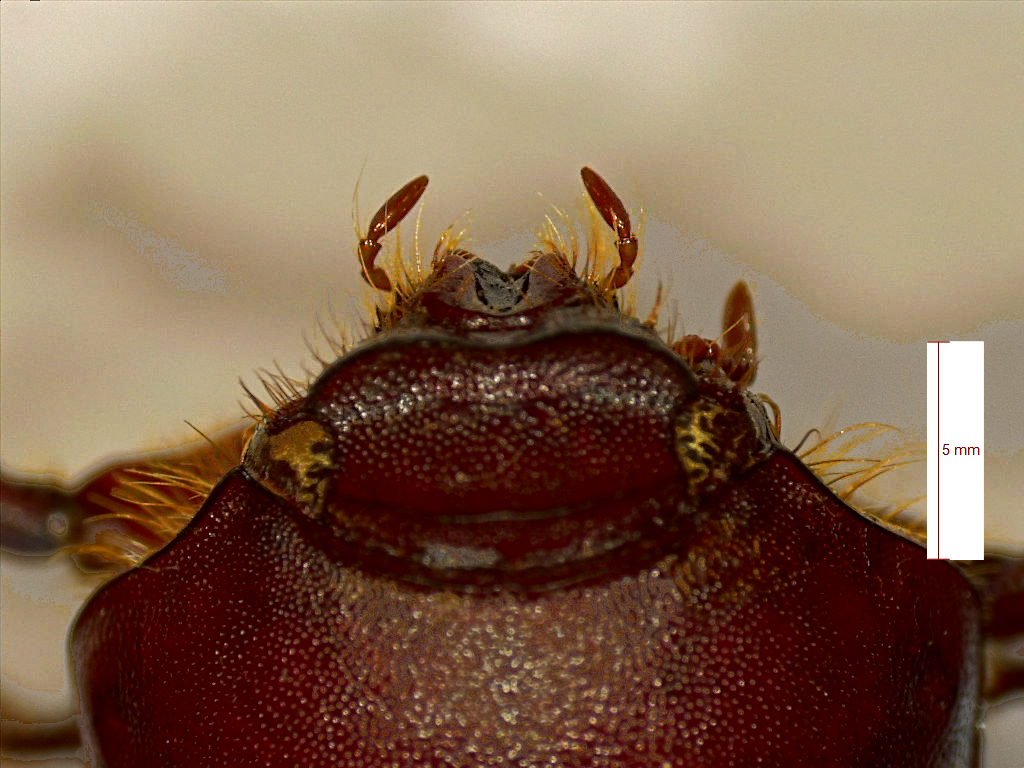
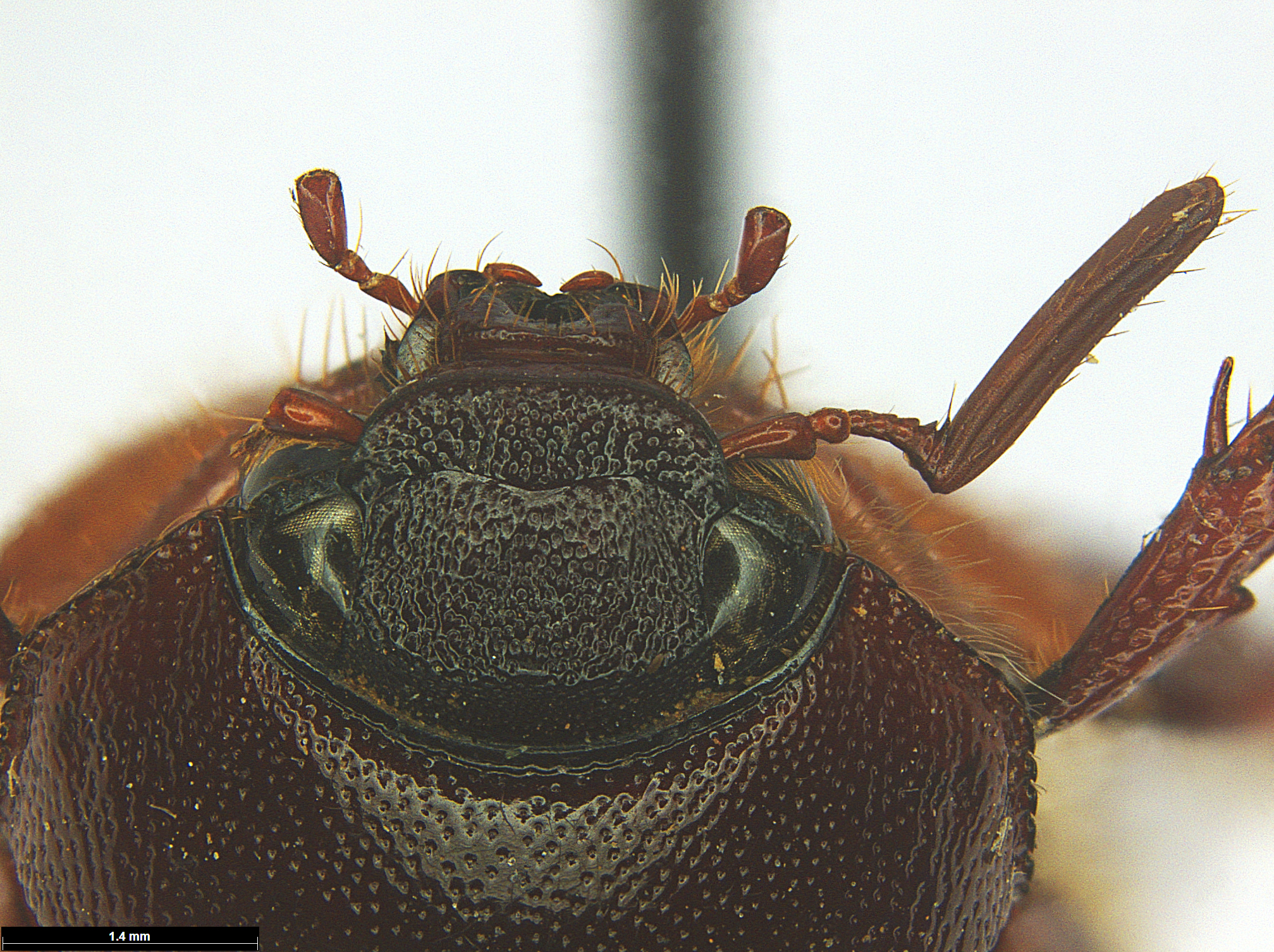
Fig.30a
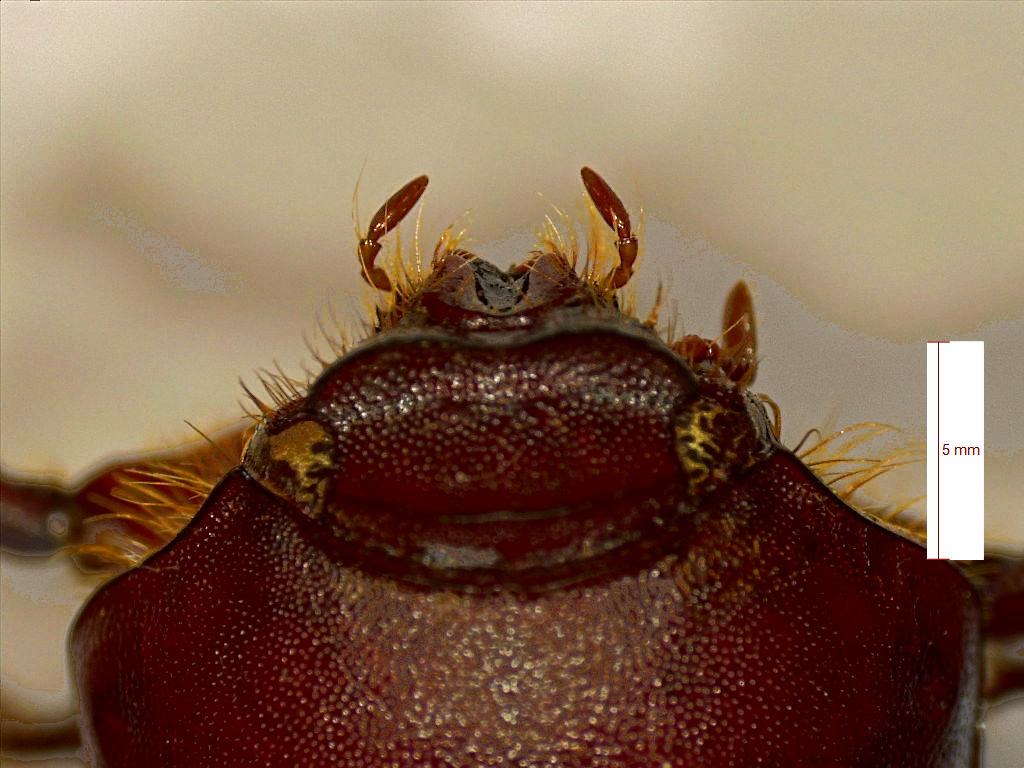
Fig.30b
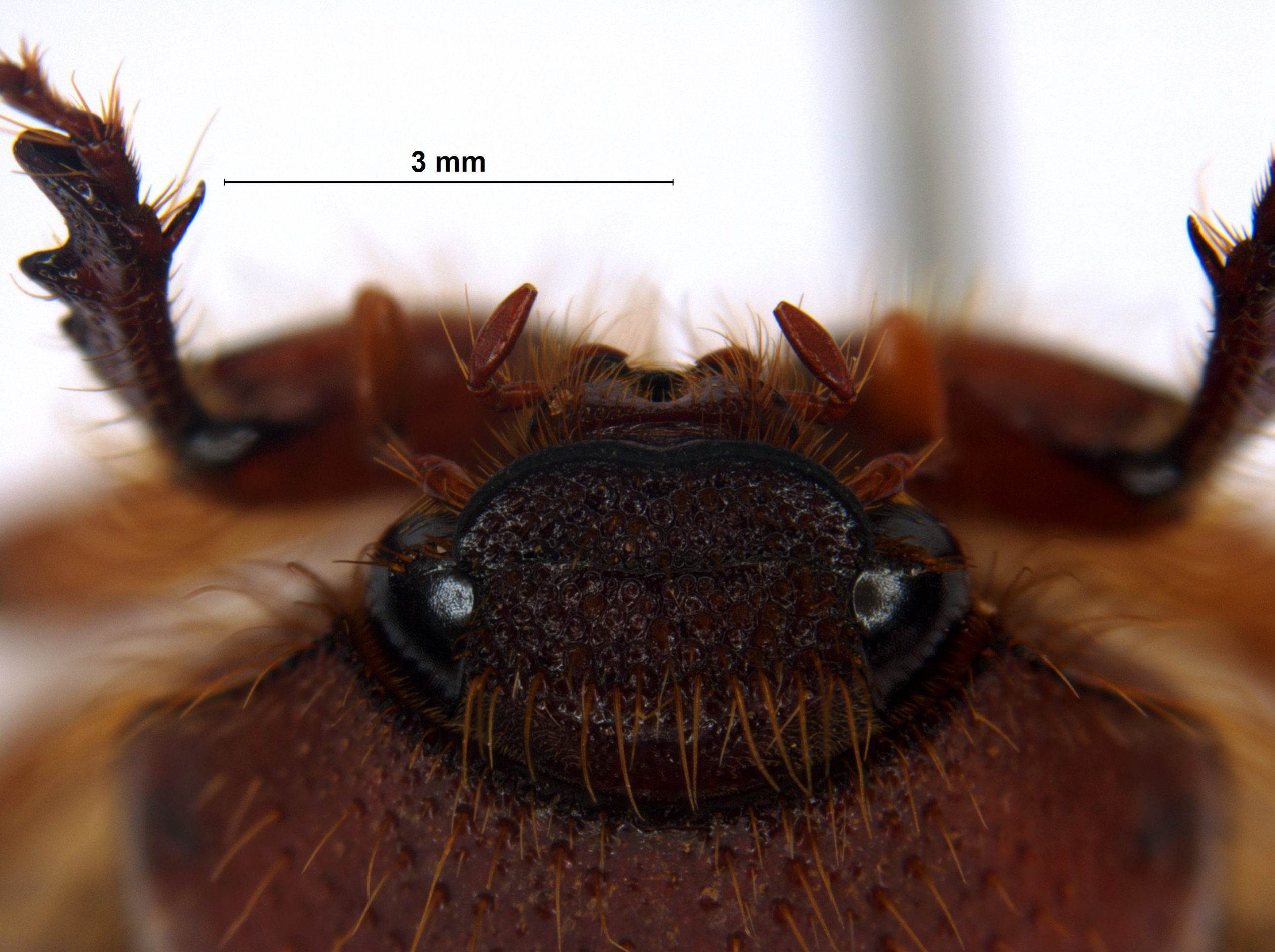
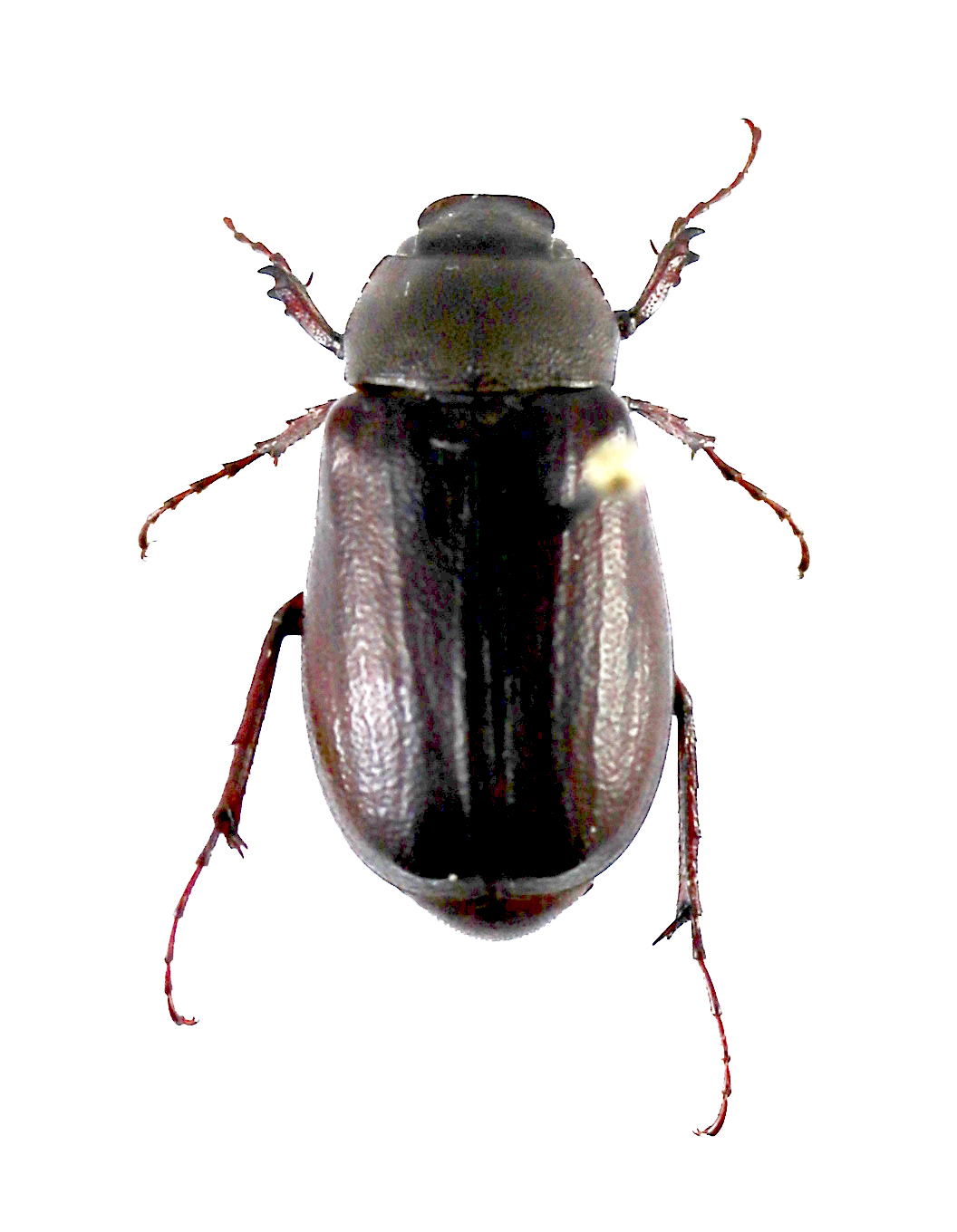
10.Frontal carina present or absent, clypeal carina not evident (Fig. 31a); Elytral costae present (Fig. 32a) …………………………………………………………………………………
Both frontal carina and clypeal carina present (Fig. 31b); Elytral costae absent (Fig. 32b)……………………………………………………...…..…
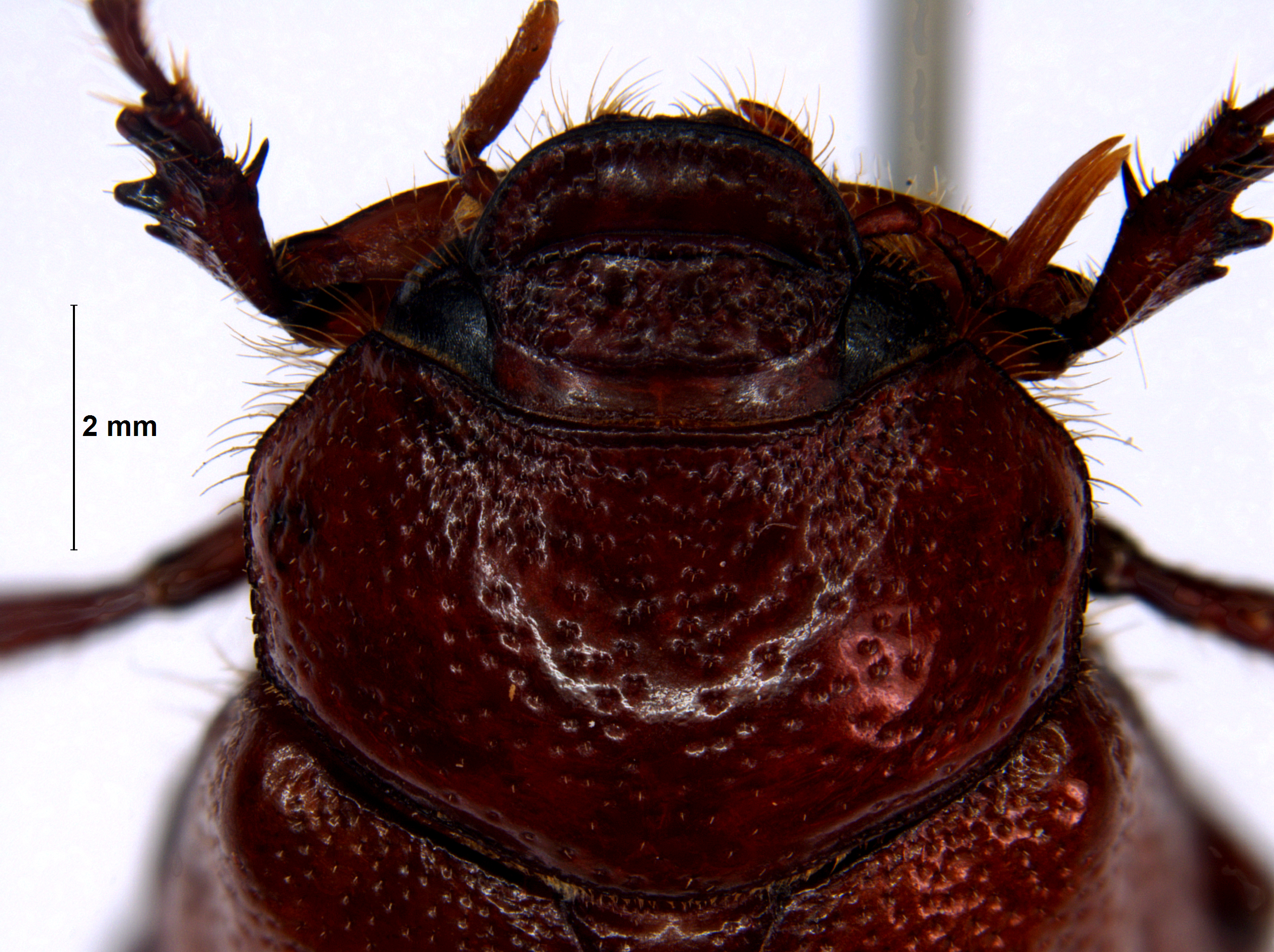
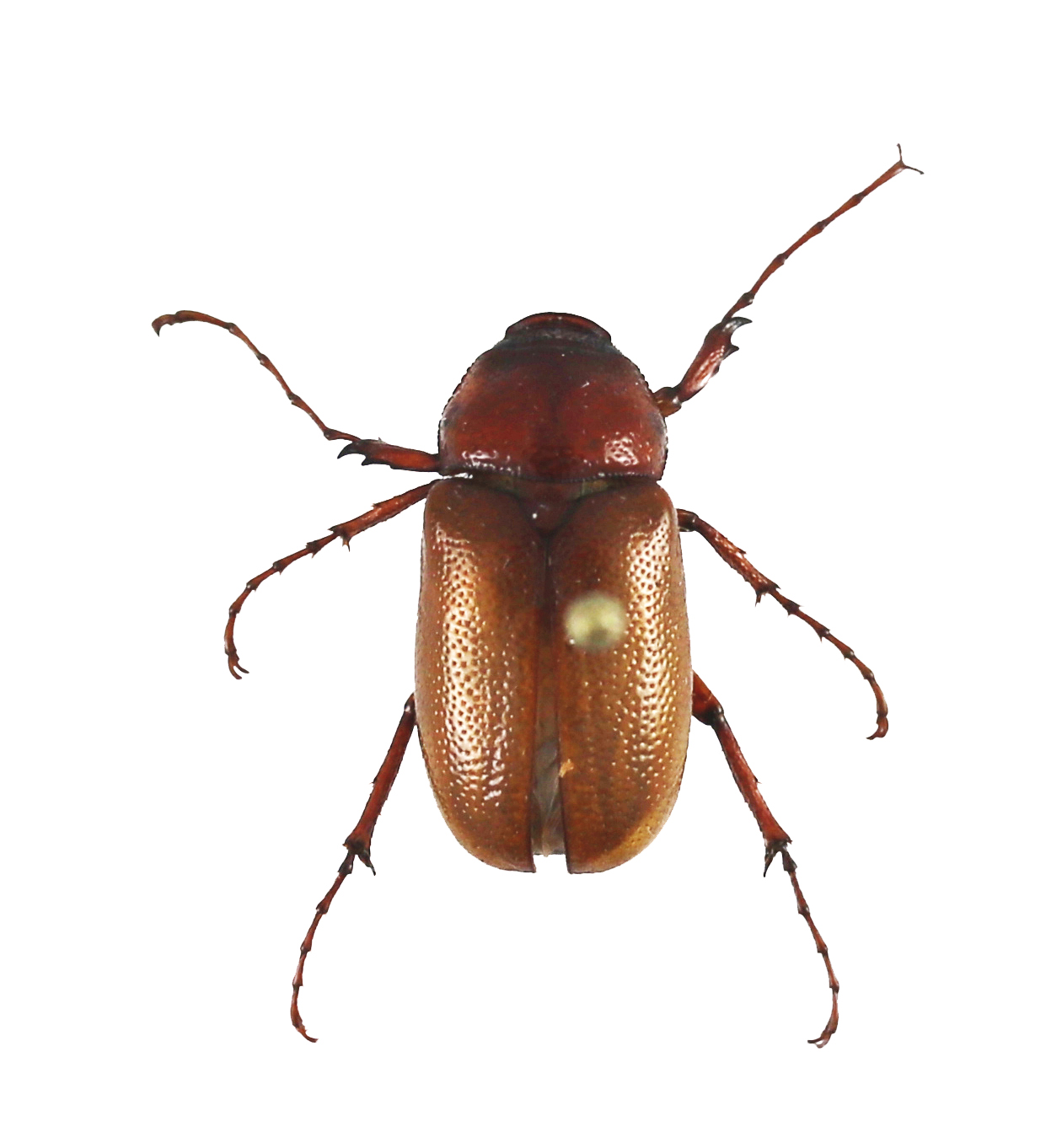
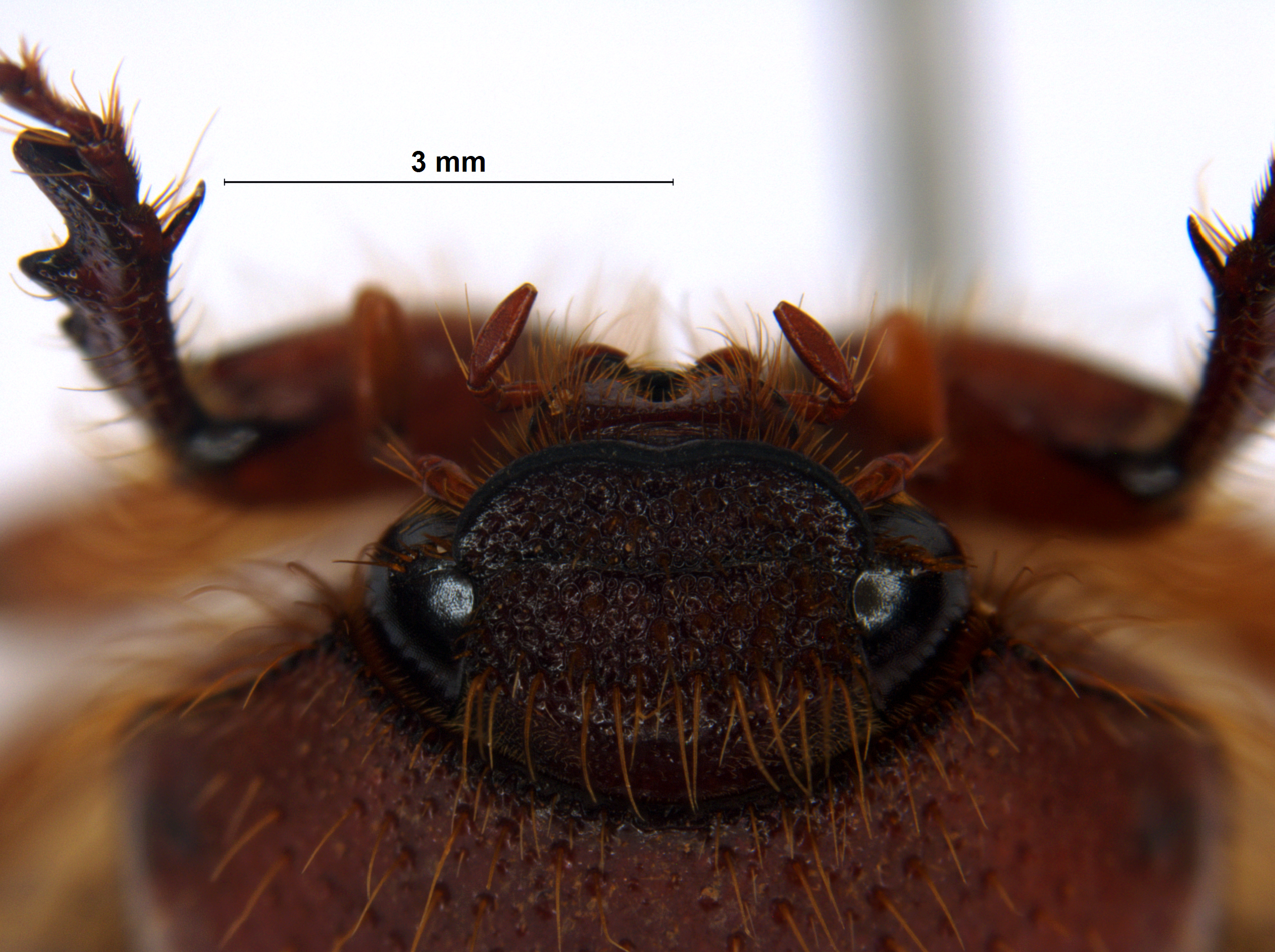
Fig.31a
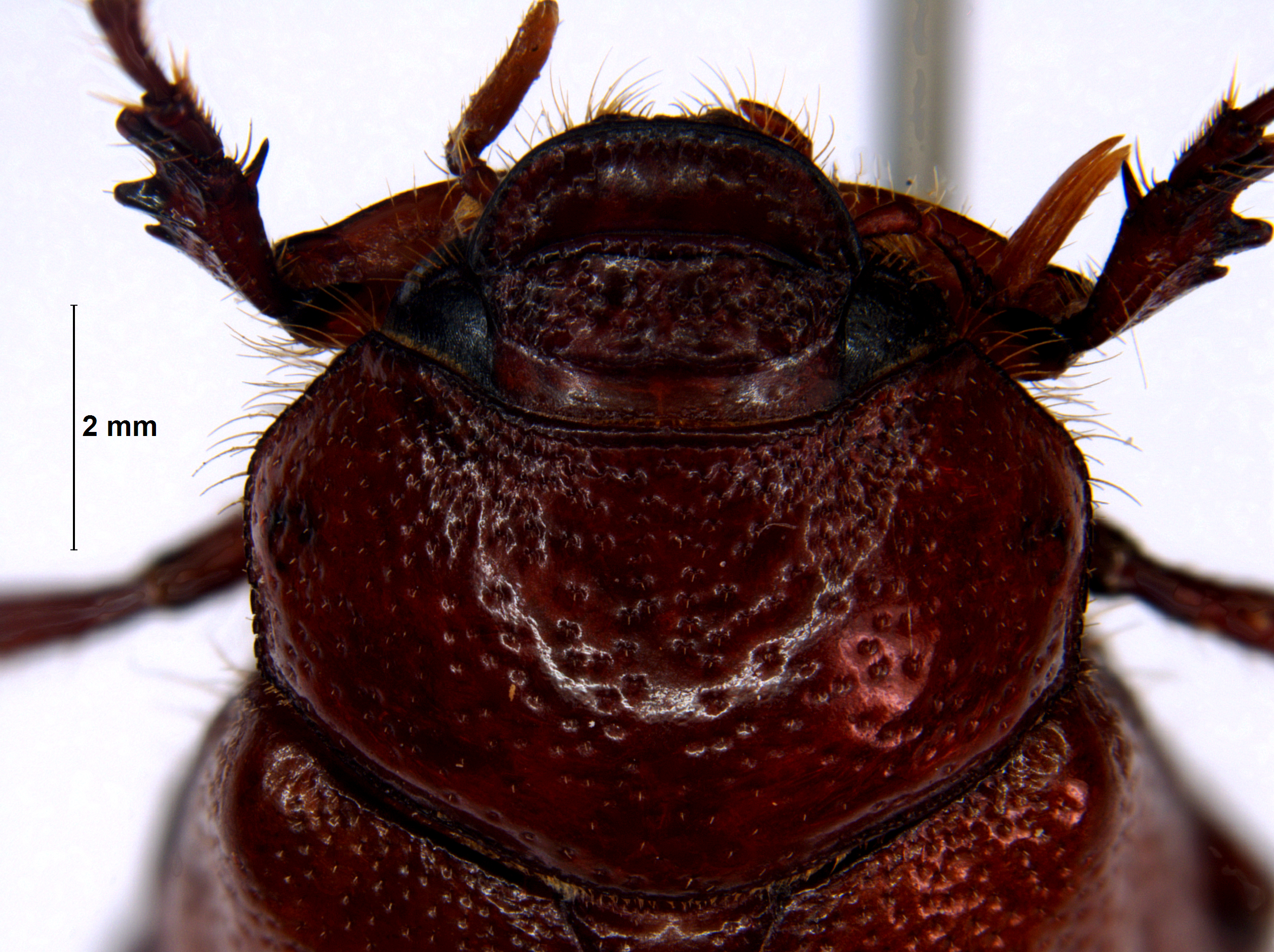
Fig.31b
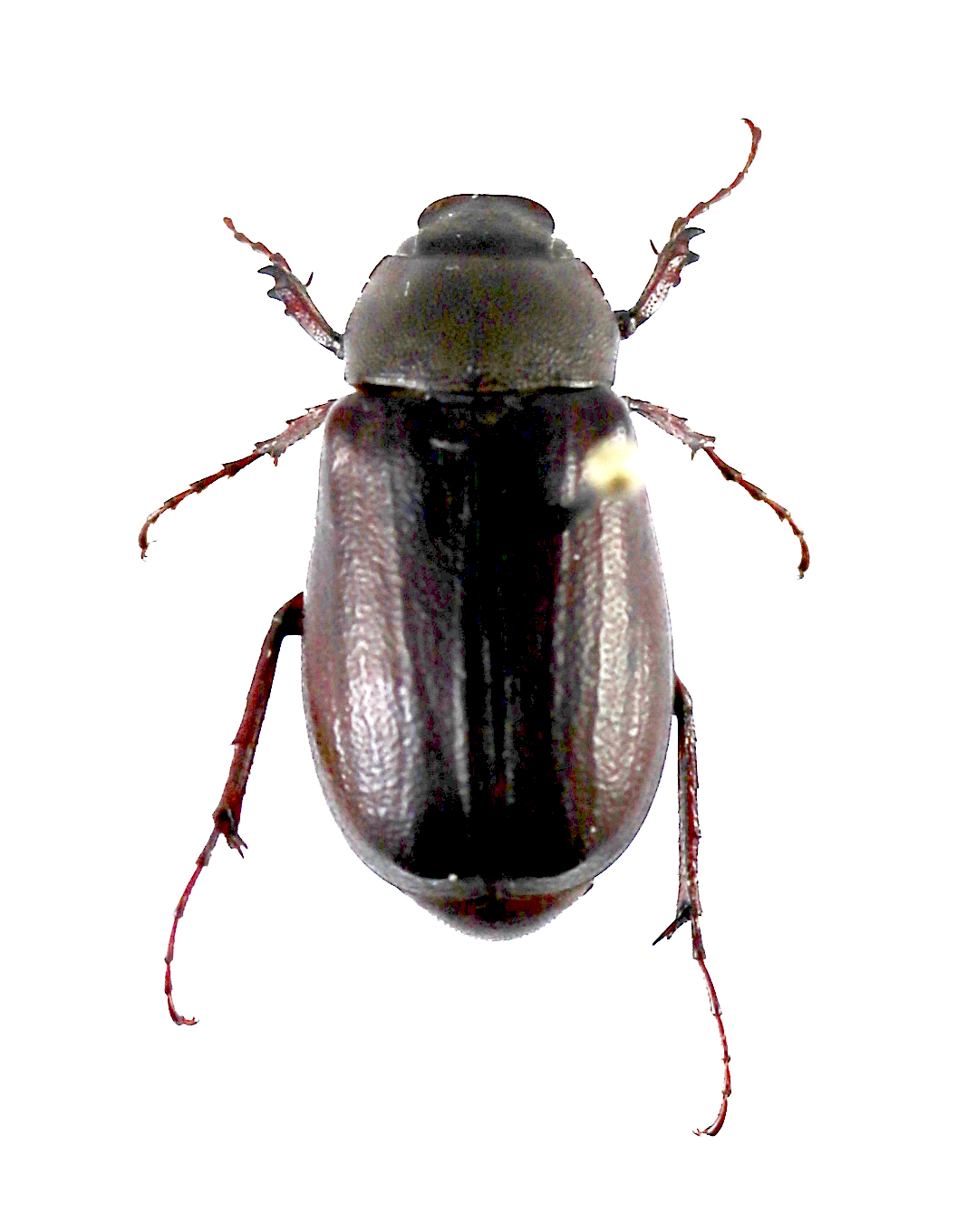
Fig.32a
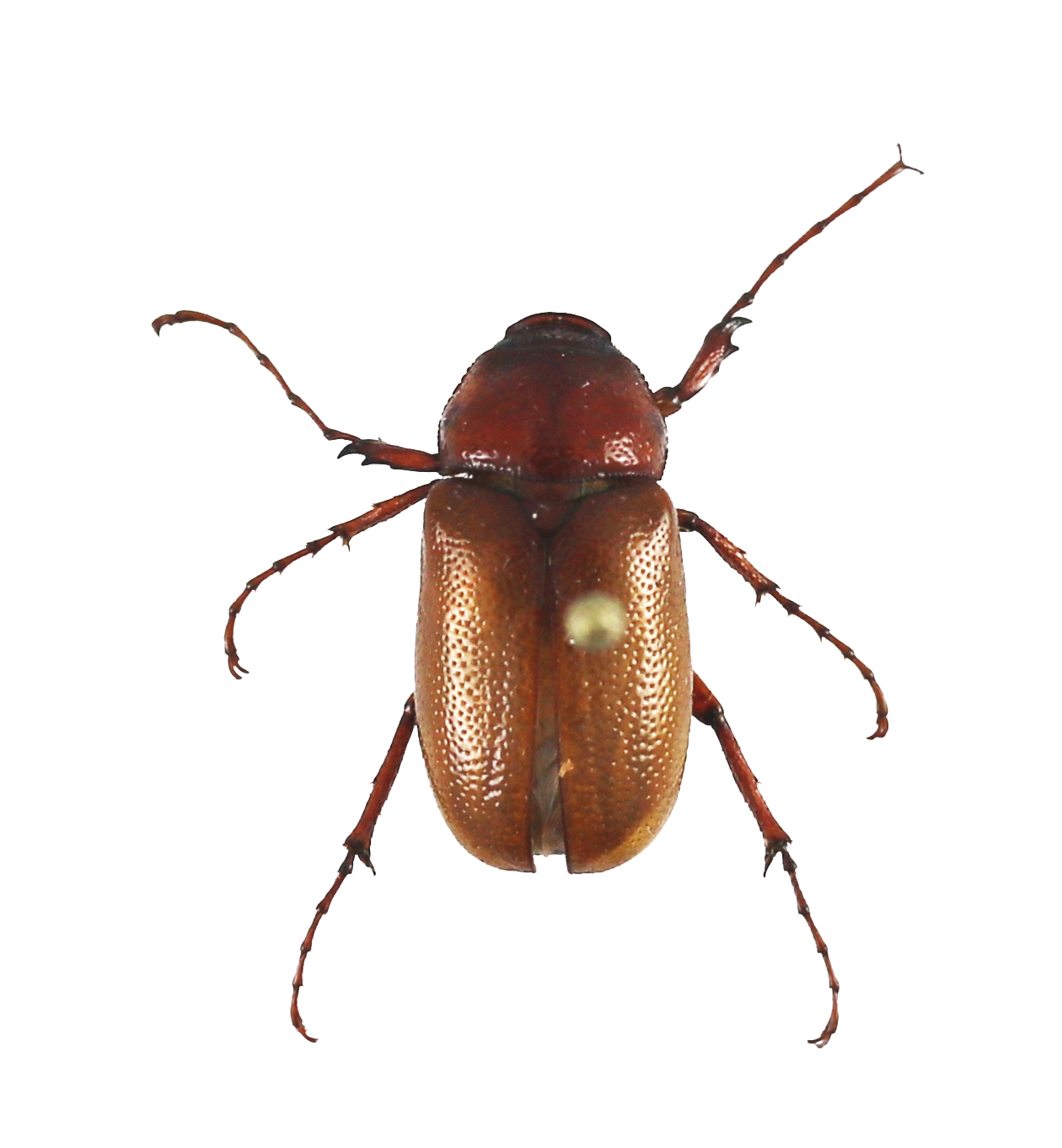
Fig.32b
11.Meso and metasternites with dense long hairs (Fig. 33a)……….

Meso and metasternites glabrous (Fig. 33b)…………………..………
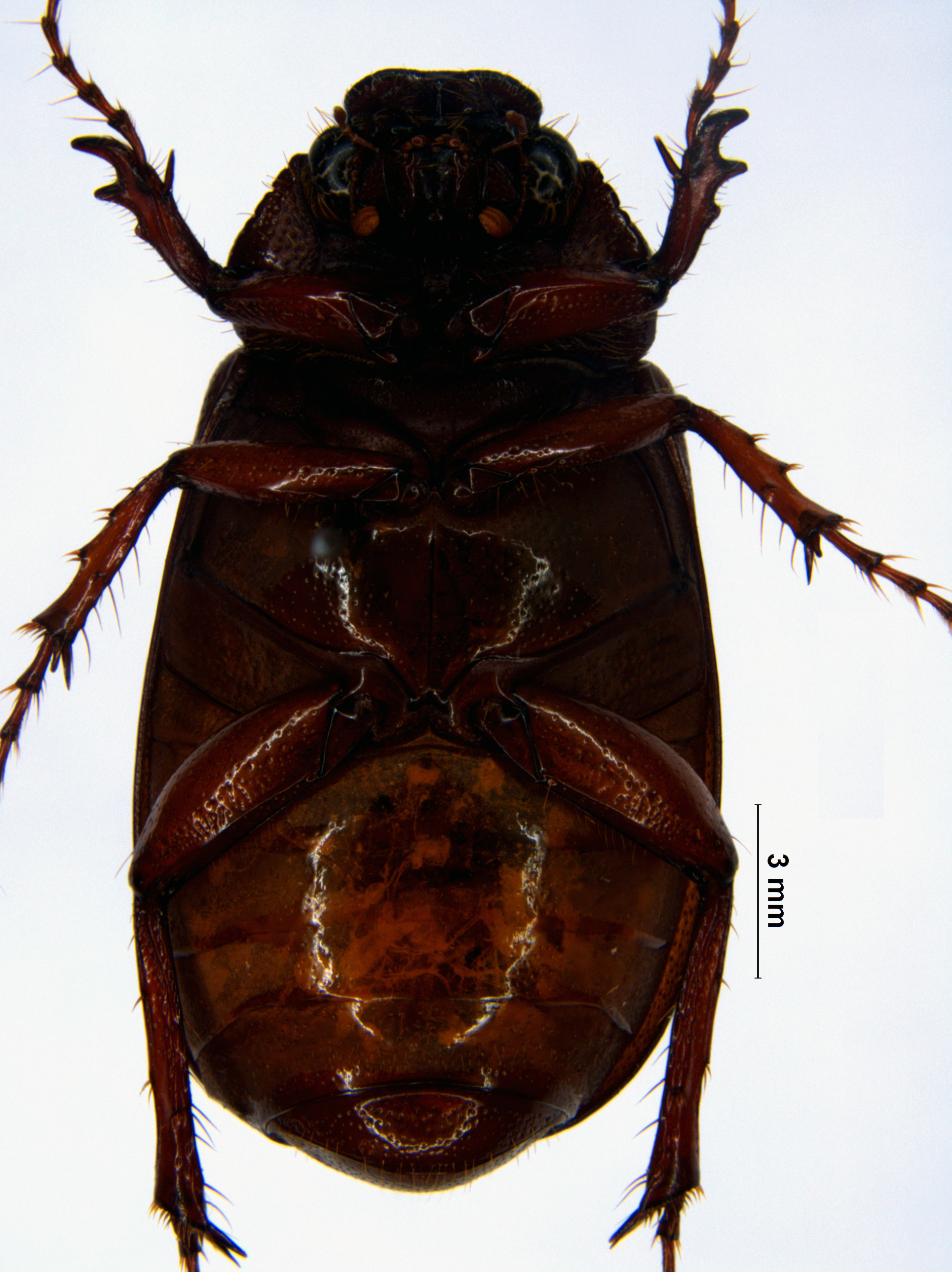
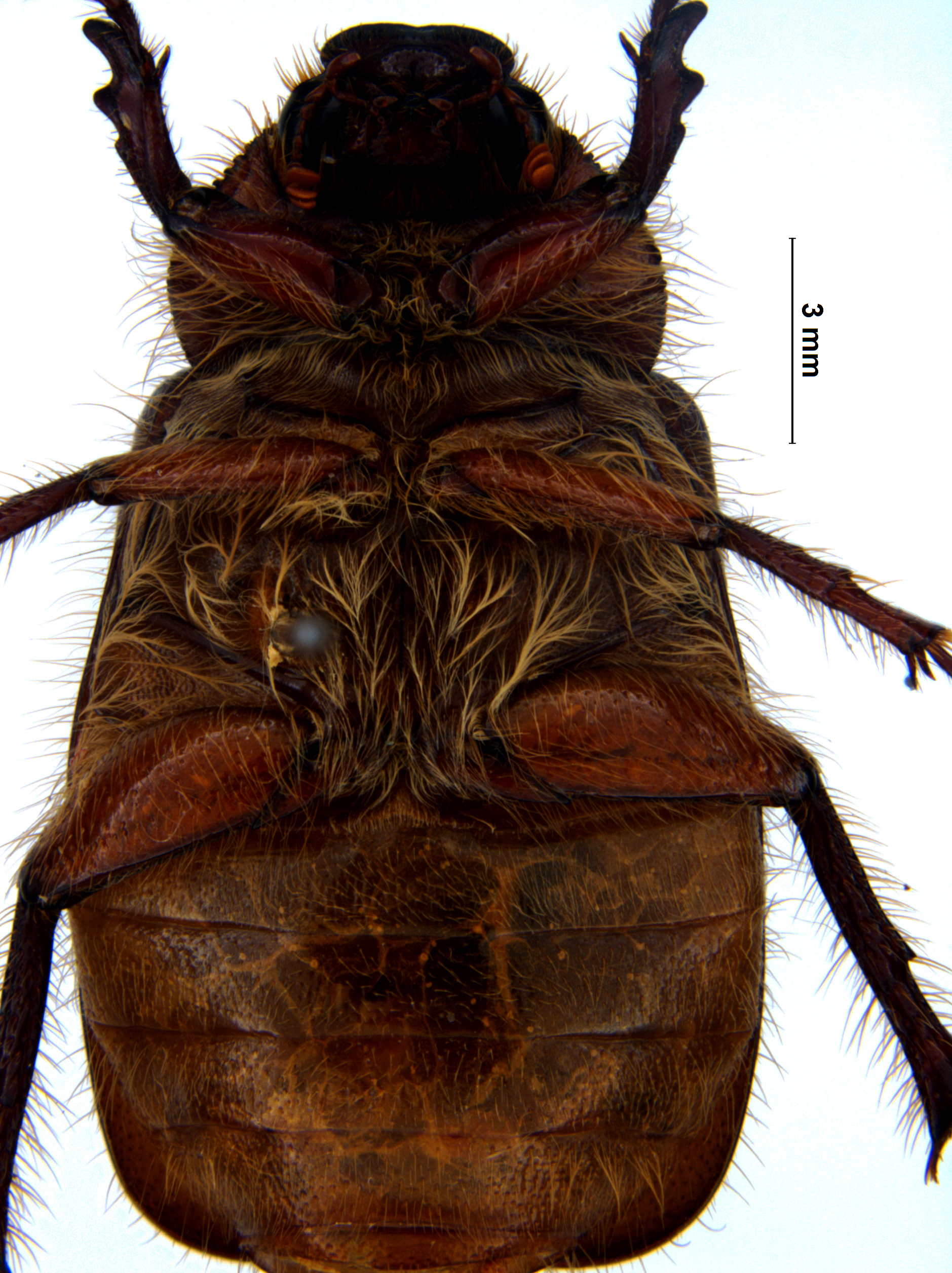
Fig.33a
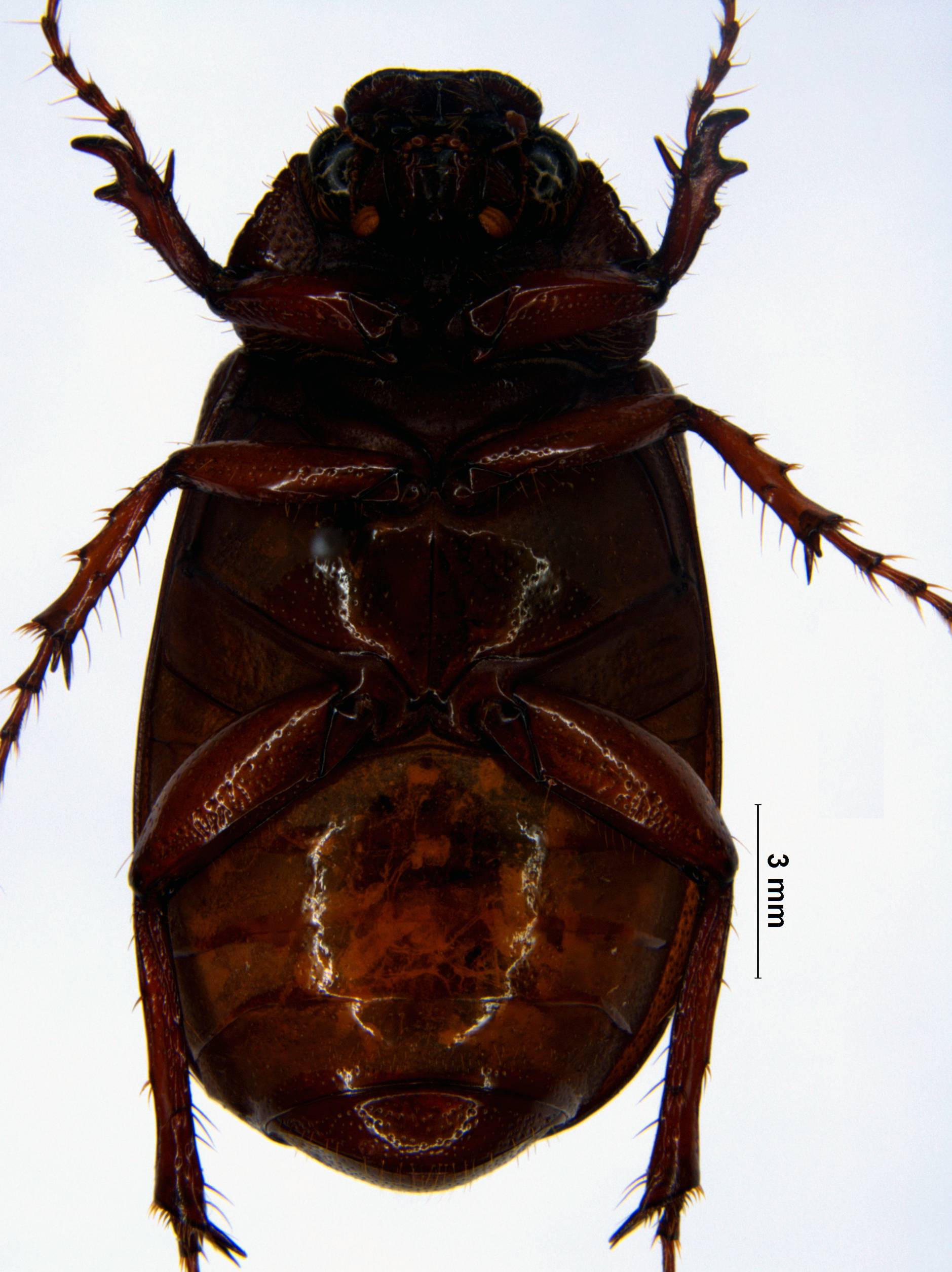
Fig.33b