
ICAR - NATIONAL BUREAU OF AGRICULTURAL INSECT RESOURCES
BIPM IN COCONUT
Natural enemies
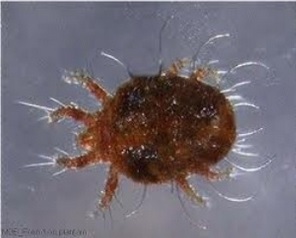
Natural enemies of coconut mite include mainly predatory mites and fungal pathogens. Mites belonging to phytoseiidae, are the major group of predators. Neoseiulus baraki is the predominant predatory mite. Other predatory mites include Neoseiulus paspalivorus and Bdella spp. The insect predators encountered with coconut mite population in the field are predatory thrips, coccinellids and syrphid maggots. But these are found only occasionally and in very few numbers. An increasing trend of incidence and better natural establishment of predatory mites in the field over the years are observed in most of the mite affected gardens. The activity of the predators is high during June to December in the field. Compared to the young developing nuts below three months, more predators are encountered in 4-6 months old nuts. The predatory mites are larger in size compared to the coconut mite and hence they gain entry only later into the nuts. This is one of the limiting factors for the wider use of the predators as effective biocontrol agents. However, conservation of the predatory fauna in the ecosystem is beneficial to regulate the coconut mite in nature.
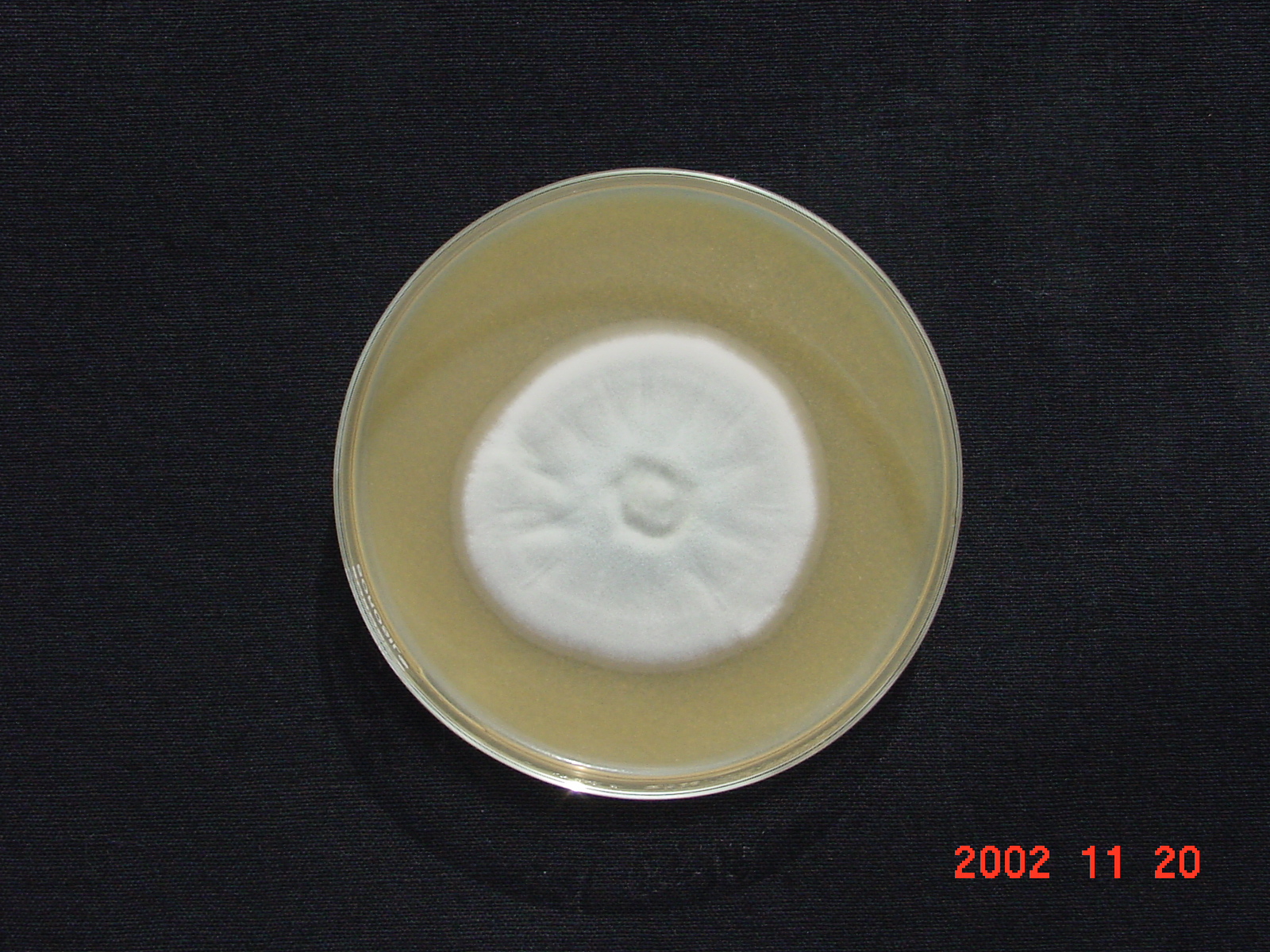
The acaropathogenic fungus, Hirsutella thompsonii is the potential microbial agent of eriophyid mite throughout the world. Virulent native isolates of this fungus have been collected from various locations of India and formulation of a mycoacaricide based on this fungus is in progress.
Visitors :
Developed by: Dr. M. Pratheepa, Dr. K. Subaharn, Dr. Richa Varshney & Dr. T. Venkatesan
(c) ICAR-National Bureau of Agricultural Insect Resources.
